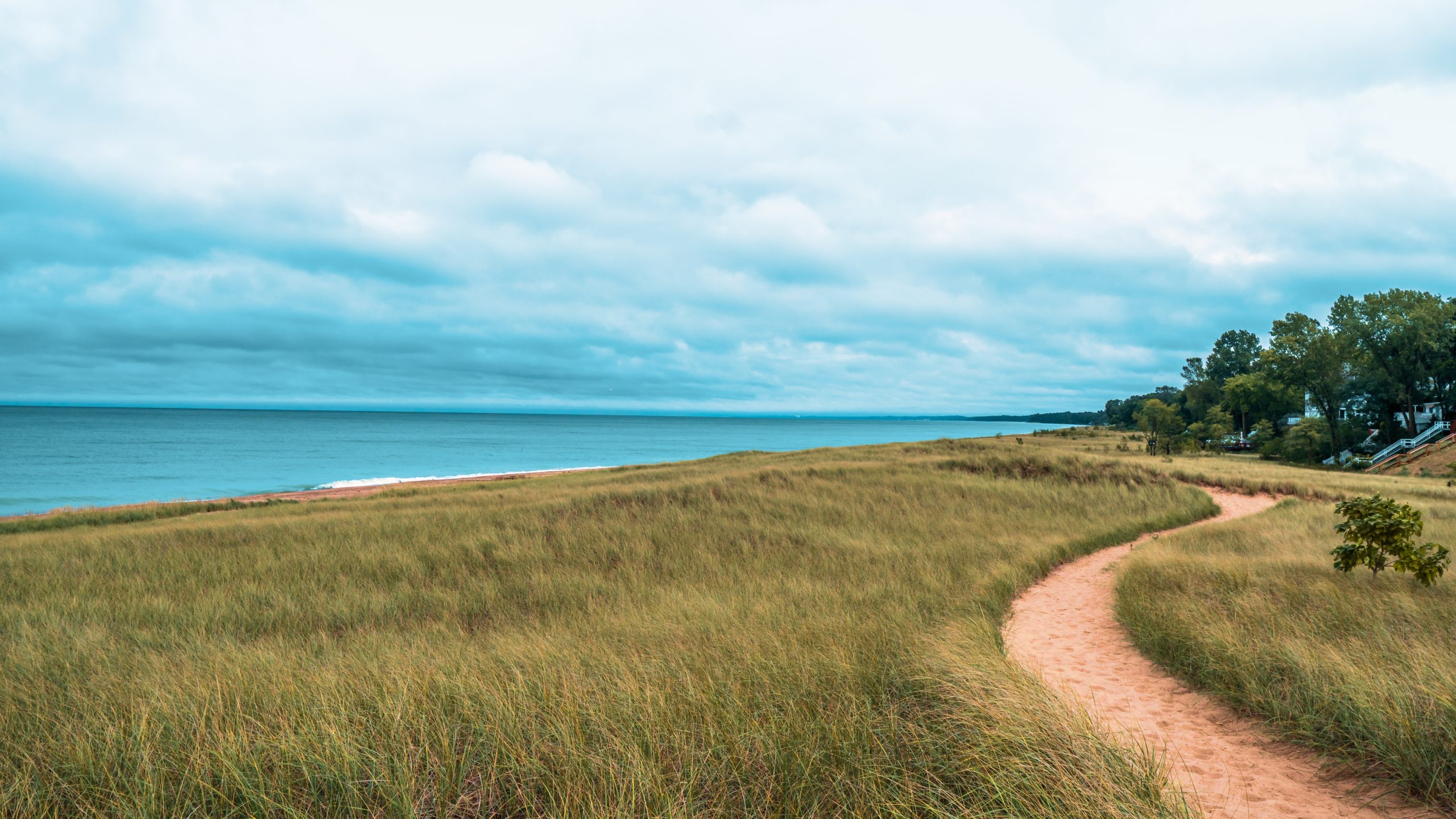
If you own property along Lake Michigan in Wisconsin and noticed sudden cuts in the bank, fresh cracks in the lawn, or a new step at the waterline, you are not alone. Rapid swings in wind, waves, and water levels can take healthy shorelines and weaken them within days. The good news is that fast action and a strong plan for shoreline restoration can stop the loss and rebuild long-term strength. RLP Diversified, Inc is here to help with practical solutions backed by 20-plus years of grading and excavating experience.
What Causes a Shoreline to Drop So Quickly?
Wind Setup and Seiches
Lake Michigan reacts quickly to strong winds. When wind blows across the lake for hours, it pushes water toward the downwind shore. Water piles up and then rebounds. This setup and rebound can create a short-term change in local water level called a seiche. In a seiche event, waves attack higher on the bank than normal, then fall fast, undercutting sand or clay. The result can look like overnight erosion because the toe of the slope loses support and the top breaks off in chunks.
Storm Waves and Longshore Drift
Storms send larger, more powerful waves to the coast. Breaking waves loosen soil particles and carry them down the shore in a process called longshore drift. If your property is in a section that loses more sediment than it gains, the bluff or beach will retreat. A single storm can chew several feet from an unprotected bank. This is why shoreline restoration efforts often pair toe protection with methods that manage sand movement.
Groundwater and Slope Saturation
Heavy rain and snowmelt increase groundwater pressure in coastal bluffs. Water trapped in clay layers seeps toward the lake and lubricates planes of weakness. When soils become saturated, friction drops and the bluff can slump. You may see tension cracks, tilted trees, or a muddy seepage line along the face. Without drainage control as part of shoreline restoration, even a well-armored toe may not stop slope failures from the top down.
Freeze and Thaw Cycles
In late winter and early spring, freeze-thaw cycles expand and contract soils. This repeats micro-cracking and loosens blocks of material. When waves return, they pluck away the weakened pieces. That is why many Lake Michigan owners see the most dramatic changes during shoulder seasons.
Loss of Vegetation and Recent Construction
Removing deep-rooted native plants or cutting a path to the water reduces the soil’s natural reinforcement. Construction near the edge, such as patios, stairs, or retaining walls, can add weight and change runoff patterns. When combined with high water or wind events, this often triggers sudden retreat. Shoreline restoration puts vegetation and smart grading back into the design to recover this lost stability.
Warning Signs Your Shoreline Is Actively Failing
Watch for the signals below. If you notice two or more at once, take action this week.
- Fresh vertical scarps or overhangs at the edge of the bluff or beach
- New cracks in the yard that run parallel to the shoreline
- Leaning fences, tilted trees, or shifting patios near the bank
- Cloudy water at the toe after calm weather, which suggests ongoing erosion
- Wet spots or seepage lines mid-slope after rain has ended
- Sinkholes or depressions forming inland from the bluff edge
- Frequent slumps of soil that refill at high tide and wash out at low tide
Immediate Steps to Protect Your Property This Week
Quick action reduces risk and buys time for a lasting shoreline restoration plan. Use this checklist now.
- Document conditions. Take dated photos and videos of the shoreline, cracks, and structures. This helps with permits, insurance, and contractor planning.
- Stay back from the edge. Keep people and equipment at least 10 feet from fresh cracks or cut banks. Edges can collapse without warning.
- Divert roof and yard water. Add downspout extensions, sandbag small berms, and dig short temporary swales to move water away from the bluff.
- Protect exposed soil. Use straw blankets, coir mats, or tarps to cover bare patches. Pin them securely to limit washouts during the next rain.
- Remove loads from the top. Move wood piles, heavy planters, or stored materials away from the edge. Less weight reduces the chance of a slump.
- Stabilize the toe temporarily. Place properly sized stone or sandbags at the base where waves undercut. This is not a final fix, but it limits immediate damage.
- Call a local shoreline expert. RLP Diversified, Inc can visit sites across Wisconsin and provide rapid assessments, material delivery, and safe access under changing conditions.
Shoreline Restoration Options for Lake Michigan Properties
Nature-Based Stabilization
Nature-based methods slow waves, hold soils, and recover habitat. They are often more flexible and visually pleasing than hard walls. Properly designed, they can last when paired with toe protection and drainage control.
- Native plantings. Deep-rooted grasses, shrubs, and trees knit soil together. Species like switchgrass, little bluestem, willows, and dogwoods handle wind and variable moisture.
- Live staking and brush layering. Cuttings from willows and dogwoods are placed in the bank to sprout and create living reinforcement.
- Coir logs and fiber rolls. Biodegradable rolls at the toe absorb wave energy and trap sediment while plants establish.
- Erosion control blankets. Coconut or straw blankets hold seed and reduce raindrop impact on new slopes.
- Dune fencing and sand trapping. On sandy stretches, low fencing and plantings capture moving sand to rebuild a berm.
Rock Revetments and Riprap
Rock revetments use angled layers of stone to armor the shoreline. When designed and installed correctly, they resist ice push, storm waves, and seiche events. Good revetments include more than just a pile of rock. They rely on graded stone sizing, a stable base, and filter layers.
- Toe trench. A buried toe of larger stone prevents the structure from sliding or being scoured at the base.
- Filter fabric or graded filter. Geotextile or a layer of smaller stone behind the armor prevents soil from washing out.
- Proper slope. Gentle slopes, often around 1.5:1 to 2:1, shed wave energy more safely than steep faces.
- Crest elevation and tie-ins. The top of the revetment and the ends should tie into stable ground to prevent flanking during storms.
- Access and staging. Safe pathways for equipment protect surrounding areas during construction.
RLP Diversified, Inc sources, delivers, and places stone with the right size mix for your site. With aggregate and trucking services and a fleet that includes Caterpillar, Bobcat, and New Holland equipment, our crews build shore defenses that last.
Breakwaters and Groins: Use With Care
Offshore breakwaters or groins can calm wave energy or capture sand, but they also change sand flow along the coast. In the wrong place they can starve neighbors of sediment. In Wisconsin, these structures require careful study and permits. If they fit your site, combine them with plantings and toe protection to support a full shoreline restoration approach.
Drainage Control and Smart Grading
Many failures begin with water moving through the bluff from the landward side. Drainage control keeps the bank drier and stronger.
- Downspout extensions. Carry roof water at least 10 to 20 feet from the bluff edge.
- French drains and interceptor drains. Capture groundwater above the bluff and safely outlet it away from weak spots.
- Regrading and terracing. Reduce slope angle and create stable benches for plantings.
- Permeable paths and driveways. Limit runoff speed and volume.
- Outlets with energy dissipation. Prevent new gullies by adding rock pads at pipe ends.
How RLP Diversified, Inc Approaches Shoreline Restoration
RLP Diversified, Inc was founded in 2000 in Burlington, Wisconsin and expanded in 2013 by integrating Andy’s Excavating. We serve homeowners, HOAs, municipalities, and businesses across the state, from Milwaukee and Waukesha to Madison, Racine, Mequon, Kenosha, and Green Bay. Our team blends grading, excavating, pond work, and shoreline protection so each project fits the land and the lake.
Our Proven Process
- Site assessment. We review soils, slope geometry, wave exposure, drainage, and access. We document changes and set safety zones.
- Stabilization plan. We match shoreline restoration methods to your goals, budget, and timing. Plans may include toe protection, planting, and drainage upgrades.
- Permitting support. We coordinate with Wisconsin DNR, the U.S. Army Corps of Engineers, and your county or city. For urgent cases, we help you pursue emergency authorization where allowed.
- Material selection. Our Aggregate and Trucking division delivers limestone, riprap, gravel, sand, and topsoil with reliable scheduling.
- Construction and earthwork. Using Caterpillar, Bobcat, and New Holland equipment, we shape slopes, install filters and stone, set coir logs, and place erosion blankets.
- Revegetation and finish grading. We seed or plant native species, spread topsoil, and finalize grading to direct water away from the bluff.
- Maintenance plan. We set checkups for storm seasons and recommend simple owner tasks that protect your investment.
Integrated Services That Strengthen Shore Projects
- Aggregate and Trucking. Prompt delivery of limestone, riprap, gravel, sand, and topsoil for shoreline restoration and landscaping.
- Grading and Earthmoving. Rough and finish grading, road grading, backfilling, and slope shaping for strong, even banks.
- Pond Excavating. Construction, maintenance, and shoreline protection, including removal of failed seawalls and installation of modern stabilization.
- Excavating. Dredging, scraping, and demolition for site prep near shorelines and irrigation ponds.
- Demolition and Cleanup. Safe removal of unstable structures and recycling of concrete from old patios, driveways, and walls.
Permits and Rules You Should Know in Wisconsin
Most shoreline restoration and stabilization work on Lake Michigan requires permits. Expect to coordinate with the Wisconsin Department of Natural Resources and the U.S. Army Corps of Engineers. Local counties and cities may also set bluff setbacks and coastal hazard requirements. In urgent threats to property, emergency authorizations may be available to install temporary measures like sandbags or toe stone. RLP Diversified, Inc guides you through submittals, drawings, and site photos to keep your project compliant and on schedule.
Budget and Timeline Expectations
Costs vary based on access, slope height, soil type, wave energy, and materials. Nature-based measures with plantings and coir are often lower cost but need maintenance and time to establish. Rock revetments and regrading require more material and equipment but may deliver a longer service life in high-energy sites. Timelines range from a few days for emergency toe protection to several weeks for full installations with grading and revegetation. Our team provides clear estimates, schedules material deliveries, and sequences work around lake conditions to reduce downtime.
FAQs About Shoreline Restoration on Lake Michigan
Why did my shoreline drop so much this week?
Likely a mix of wind-driven water setup, recent storms, and saturated soils. When waves undercut the toe and water loosens the bluff, the top collapses. The change can look sudden even if it was building for months.
Is a seawall the best fix?
Not always. Solid walls can reflect wave energy and worsen scouring at the base and ends. Many sites perform better with a stone revetment plus plantings and drainage control. Local rules also limit new seawalls. An on-site review will help pick the right approach.
Will planting grass stop erosion?
Regular turf has shallow roots and offers limited strength. Native grasses, shrubs, and willows have deeper roots that anchor soil. Plantings should be combined with toe protection and drainage for lasting results.
Can I do emergency work before permits?
Some emergency measures are allowed with notice to agencies, but rules vary. Document conditions and contact RLP Diversified, Inc. We can help you stabilize safely and start the right approvals.
How long will a rock revetment last?
With proper stone sizing, filter layers, and maintenance, a revetment can last decades. Longevity depends on design quality, wave exposure, and how well drainage above the bluff is managed.
Seasonal Checklist to Keep Your Shoreline Strong
- Spring: Inspect for winter damage, clear debris from drains, reseed bare spots, and check for new cracks.
- Summer: Trim invasive plants, water new natives, and monitor for undercutting after storms.
- Fall: Clean gutters, extend downspouts, and install erosion blankets on exposed soil before freeze.
- Winter: Limit foot traffic near the edge and avoid piling snow at the bluff. Plan next year’s upgrades.
- After Any Storm: Photograph changes, look for toe scouring, and call for a quick check if you see fresh slumps.
Why Choose RLP Diversified, Inc for Your Shoreline Restoration
We combine design sense with field strength. As a Burlington-based contractor serving all of Wisconsin since 2000, we understand local soils, lake behavior, and regulatory paths. Our integrated divisions handle aggregate delivery, grading, excavating, pond work, and demolition so you do not juggle multiple vendors. We use dependable equipment from Caterpillar, Bobcat, and New Holland to work safely and efficiently. Most important, we build solutions that fit your land, not a one-size plan.
Take Action Now
If your shoreline is dropping into Lake Michigan this week, do not wait. Start with simple steps to divert water and protect exposed soil. Then schedule a site visit to design a smart, lasting fix. RLP Diversified, Inc responds quickly across Milwaukee, Waukesha, Madison, Racine, Mequon, Kenosha, Green Bay, and nearby communities. Together we will create a shoreline restoration plan that stops the loss, strengthens your bank, and protects your investment for years to come.



Leave A Comment