If your backyard pond suddenly smells like rotten eggs, you are not alone. Summer heat often turns a quiet water feature into a foul smelling source of frustration. The good news is that the cause is well understood and fixable with smart maintenance or, when needed, professional pond excavating. In this guide, RLP Diversified, Inc explains what is happening under the surface, how to stop the odor quickly, and when to call in local pros to restore a healthy, clean pond you can enjoy all season.
What That Rotten Egg Smell Really Is
Hydrogen Sulfide 101
The rotten egg odor almost always points to hydrogen sulfide gas. This gas forms when organic material like leaves, grass clippings, fish waste, and algae decompose without enough oxygen. Anaerobic bacteria take over, break down the muck, and release hydrogen sulfide. The smell becomes obvious when the gas escapes the water or when bottom water mixes with surface water.
Where the Gas Comes From
In most backyard ponds, the deepest parts become low oxygen zones during warm months. As muck builds up year after year, it traps nutrients and feeds more decay. Without circulation or fresh oxygen, the bottom turns black and sulfurous. When wind or a summer storm stirs the pond, that gas gets pushed to the surface and the smell hits fast.
Why Summer Makes Pond Odor Worse
Thermal Stratification Blocks Oxygen
Hot weather creates layers in your pond. Warm, oxygen rich water stays on top while cooler, denser water sinks. The deep layer gets little oxygen and becomes a breeding ground for anaerobic activity. This layering, called stratification, sets the stage for hydrogen sulfide to build up below the surface.
Algae Blooms and Die Offs Add Fuel
Summer sun and nutrient runoff from lawns, gardens, and nearby soil often drive algae blooms. When those blooms crash, all that dead material sinks and feeds the anaerobic process. More decay means more gas and more odor risk.
Storms Trigger Turnover
Windy storms can mix the layers of your pond. This turnover brings the low oxygen bottom water and trapped gases to the top all at once. You smell it right away. If fish gasp at the surface during or after storms, your pond likely suffered a turnover that also dropped oxygen levels sharply.
A Quick Checklist to Diagnose Your Pond
- Water color has shifted to pea green, brown, or black.
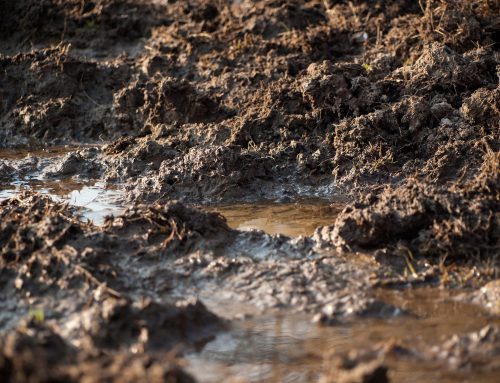
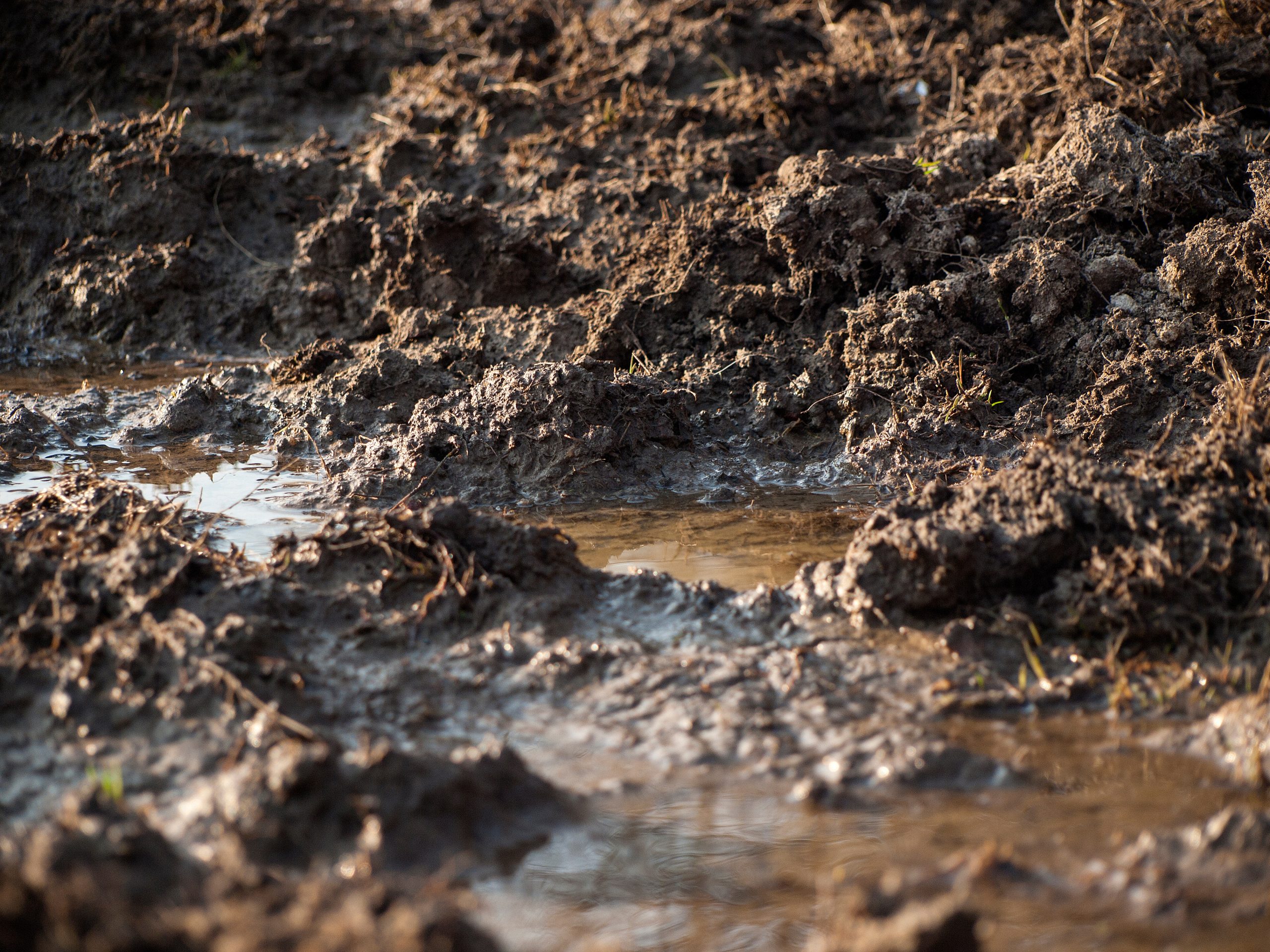
- Muck on the bottom is thick and squishy with black streaks.
- Bubbles rise when you step near the shoreline or poke the bottom with a pole.
- Fish hover near the surface or near inflow pipes seeking oxygen.
- Floating mats of algae or decaying plants pile up downwind.
- Odor is stronger after storms, windy days, or when the pond is disturbed.
- Inlets bring in cloudy or nutrient rich water after rain.
Immediate Steps You Can Take This Week
- Skim and remove debris daily. Use a net or rake to collect floating leaves, dead plants, and algae mats before they sink and rot.
- Open up water movement. If the pond has a pump or fountain, clean the intake and run it longer. Even basic circulation helps push oxygen to lower levels.
- Add temporary aeration. A rented or purchased diffused aerator can start improving oxygen at the bottom. Place diffusers in the deeper zone and run them gradually to avoid a sudden turnover.
- Cut back on nutrients. Stop fertilizing lawns that drain toward the pond. Keep grass clippings and pet waste out of water. Redirect gutter downspouts away from the shoreline.
- Install a simple floating skimmer or intake screen. Catching material at the surface reduces muck buildup.
- Use beneficial bacteria products as directed. These can help digest organics but work best alongside aeration and good circulation.
Long Term Fixes and When Pond Excavating Is the Right Move
While aeration and maintenance help, many odor problems come from years of accumulated sediment, shallow depths, and poor shoreline stability. This is where pond excavating delivers lasting change. By reshaping the basin, removing muck, and rebuilding stable slopes, you restore healthy water flow and oxygen balance.
Core Strategies That Stop Odors for Good
- Targeted dredging. Removing organic rich sediment from the deepest zones reduces the food source for anaerobic bacteria.
- Reshaping depth profiles. Creating deeper pockets and gentle shelves cuts down on stagnation, reduces weed dominance, and makes aeration more effective.
- Installing forebays at inlets. A small forebay traps silt and organics before they enter the main pond, making maintenance easier.
- Stabilizing shorelines. Rock armoring, native plant buffers, and the removal of failing seawalls reduce erosion that feeds the muck layer.
- Integrating bottom diffused aeration. Permanent aeration systems paired with proper depths maintain oxygen, limit stratification, and suppress odor.
- Improving outflow control. A well designed outlet manages water level, prevents backflow, and helps move nutrient rich surface water out after storms.
RLP Diversified, Inc offers full service pond excavating across Wisconsin. The team evaluates your pond’s depth, slope, muck thickness, and watershed sources, then builds a plan that fits your goals and budget. With the right grading, dredging, and shoreline protection, most ponds can shift from smelly and stagnant to clear and stable within a season.
Dredging vs. Full Pond Excavating
When Dredging Is Enough
If your pond has a solid shape but heavy bottom muck, hydraulic or mechanical dredging often solves odor issues. Signs dredging is the right fit include a strong embankment, intact outflow structure, and a basin that only needs depth restored. Dredging removes organic sediment, improves circulation, and gives beneficial bacteria room to work.
When to Choose Full Pond Excavating
Full pond excavating is the better solution when the basin is poorly designed or badly eroded. If you have vertical shorelines sloughing into the water, multiple shallow coves trapping debris, or failing seawalls that keep collapsing, start with a rebuild. Adding thoughtful depth changes, stable slopes, and inlet forebays will prevent the same odor problem from returning.
What the Process Looks Like
- Assessment. RLP Diversified, Inc inspects sediment depth, bank stability, and water sources. We check access for equipment and identify utility lines.
- Permitting. Pond work often needs local or state permits. In Wisconsin, certain projects may require DNR approvals. We help guide you through that process.
- Drawdown. The water level is lowered or bypassed to expose work areas safely.
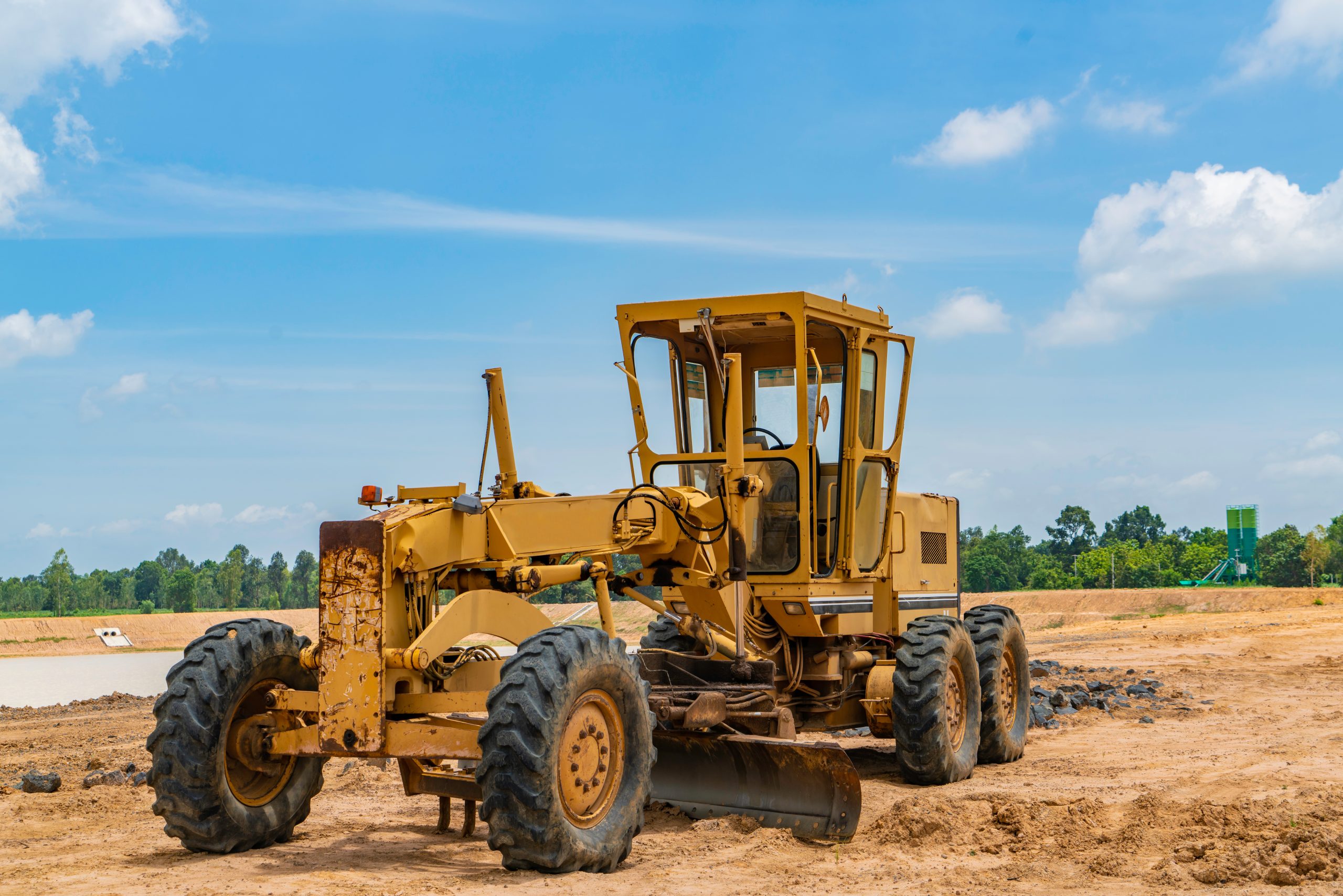
- Sediment removal. Using equipment from brands like Caterpillar, Bobcat, and New Holland, we remove muck and reshape depths.
- Shoreline protection. We install rock, biodegradable matting, or native plantings. Failing seawalls are removed and replaced with stable solutions.
- Forebay and outlet improvements. If needed, we add a sediment trap at the inlet and update the outlet for better control.
- Aeration installation. Bottom diffusers and power sources are set up to maintain oxygen after construction.
- Site restoration. We seed and stabilize disturbed ground and can deliver topsoil, stone, or gravel as needed through our aggregate and trucking services.
Smart Shoreline Protection That Reduces Odor
Native Plant Buffers
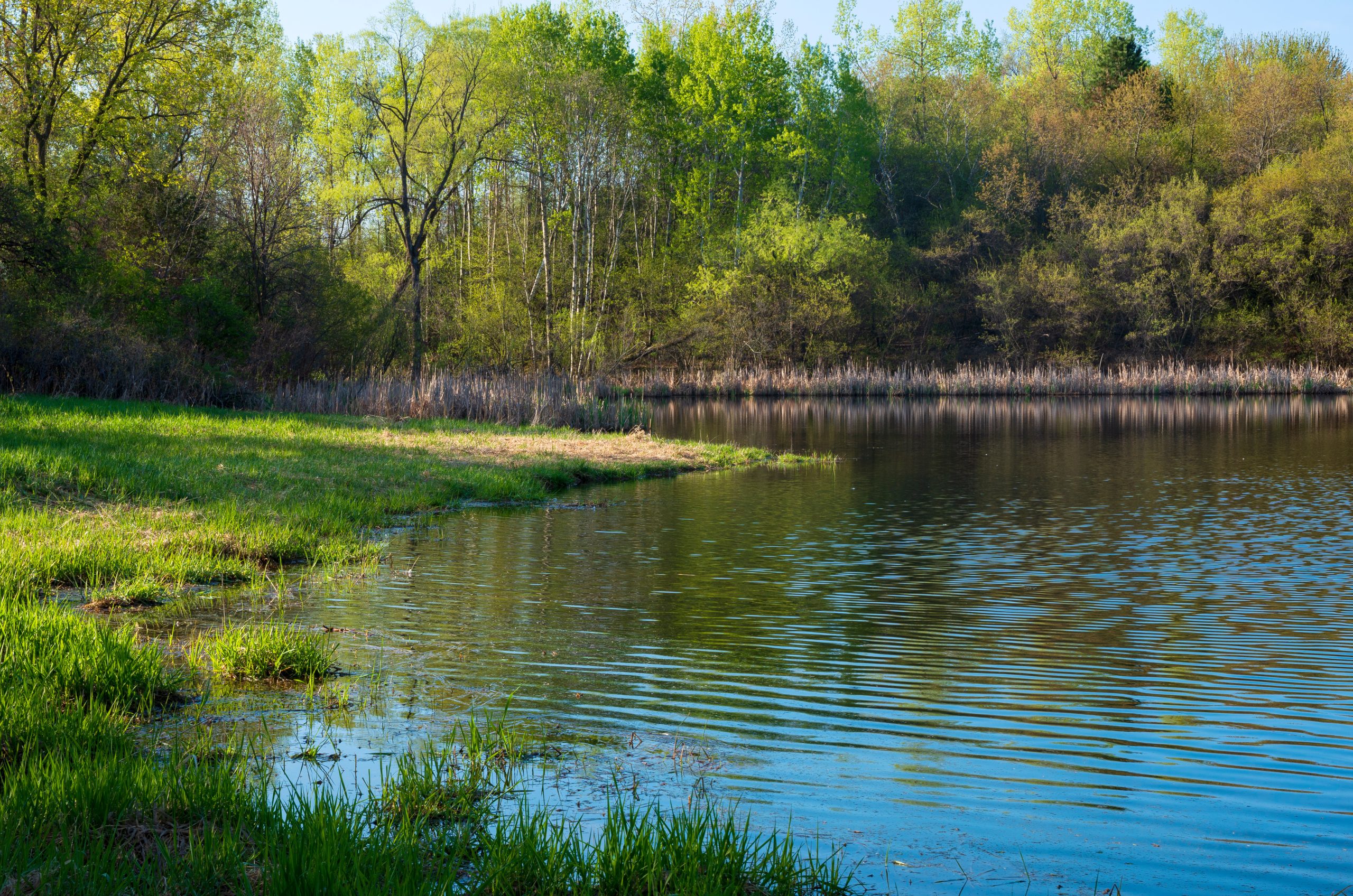
A 10 to 25 foot wide strip of native grasses and flowers filters nutrients before they reach the water. These buffers also shade the edge of the pond, discourage geese, and reduce bank erosion.
Rock Armoring and Toe Protection
Well sized stone placed along the waterline protects against wave action and ice. It prevents the constant soil sloughing that feeds organic buildup on the bottom.
Replacing Failing Seawalls
Old wood or metal seawalls often rot and collapse. Removing those structures and building a stable, gently sloped shoreline controls erosion better and looks more natural. RLP Diversified, Inc specializes in seawall removal and shoreline stabilization to protect your pond for the long term.
Prevent Future Odors With a Seasonal Plan
- Spring: Clean out leaf litter and check pumps. Start aeration before water warms. Plant or refresh your native buffer.
- Summer: Skim floating debris weekly. Monitor algae growth and nutrient inputs. Adjust aeration run times to maintain steady oxygen.
- Fall: Net or skim falling leaves aggressively. Reduce fertilizer use and sweep sidewalks and driveways so nutrients do not wash in.
- Winter: If safe and allowed, keep a small aeration hole open to vent gases. Avoid piling snow and deicing salt where meltwater can flow into the pond.
FAQs About Odor and Pond Excavating
Is the rotten egg smell dangerous?
Low levels of hydrogen sulfide outdoors are usually more unpleasant than dangerous. That said, avoid stirring heavy muck in enclosed spaces and keep pets out of the black sludge. Fixing the cause protects fish, wildlife, and people who enjoy the area.
Will aeration alone fix the odor?
Aeration helps a lot, but if you have years of accumulated muck or a shallow, poorly shaped basin, you may only see partial improvement. Pair aeration with dredging or pond excavating for a lasting solution.
Do I need permits for pond dredging in Wisconsin?
Some projects require permits, especially those that alter shorelines, wetlands, or outflows. RLP Diversified, Inc helps you understand local and state requirements and can coordinate the process so your project stays compliant.
How much does pond excavating cost?
Costs vary with access, sediment depth, pond size, and the level of shoreline work required. A quick site visit allows us to estimate accurately. Many owners choose a phased approach, starting with dredging and shoreline fixes in the most affected areas.
What happens to fish and wildlife during work?
Depending on scope, fish are protected by partial drawdowns, temporary relocation, or staged work areas. We time work to reduce stress on wildlife and restore habitat with native plants afterward.
How long will the fix last?
With good watershed management, a forebay at the inlet, stable shorelines, and routine skimming, a dredged or rebuilt pond can stay healthy for many years. The key is keeping new sediment and nutrients out.
Which areas do you serve?
RLP Diversified, Inc serves the entire state of Wisconsin, including Milwaukee, Waukesha, Madison, Racine, Mequon, Kenosha, and Green Bay. If you are in Wisconsin and need help with pond excavating, grading, dredging, or shoreline protection, we are ready to assist.
Why Choose RLP Diversified, Inc for Pond Excavating
Since 2000, RLP Diversified, Inc has delivered reliable grading and excavating services across Wisconsin. In 2013, the company expanded after integrating Andy’s Excavating, adding even more depth to the team and equipment lineup. Today, we provide end to end solutions that address every part of your pond project. Our services include pond excavating, dredging, shoreline stabilization, grading, demolition, and aggregate and trucking support for topsoil, sand, gravel, and stone. We use proven equipment from Caterpillar, Bobcat, and New Holland to keep projects on schedule and on budget.
What sets us apart is a practical approach that balances ecology, construction, and cost. We do not look at odor control as a single fix. We design depth profiles that work with your aeration plan, plan for access roads and sediment handling, and stabilize banks so you are not repeating the same work in a few years. Whether you have a small backyard pond or a large community water feature, we tailor the plan to your goals.
The Role of Grading and Earthmoving in a Healthy Pond
Pond health starts with proper grading. Steady, gentle slopes reduce erosion. Well placed contours slow incoming water and let silt settle where you can remove it. Our grading and earthmoving crews handle everything from rough grading and topsoil stripping to finish grading and seeding. The result is a pond basin that resists odor causing muck buildup and a shoreline that stays put through storms and freeze thaw cycles.
When Odor Signals Bigger Issues
A persistent rotten egg smell can also point to structural problems. Undercut banks, settling around old seawalls, and eroded inlets often contribute to repeated odor cycles by sending soil and nutrients into the water. If you see cracks, slumps, or bare eroding sections, bring in a professional. RLP Diversified, Inc can evaluate the structure, remove problem seawalls, and install lasting shoreline protection matched to your site conditions.
Simple Habits That Keep Your Pond Fresh
- Limit nutrient inputs. Keep fertilizer 15 feet back from the water. Sweep sidewalks and driveways instead of washing debris toward the pond.
- Manage leaves and clippings. Bag or compost plant waste away from the shoreline.
- Keep a maintenance calendar. Note when algae increases, when to service aeration, and when to skim more often.
- Inspect after storms. Clear debris at inlets, repair small erosion spots, and check for cloudy inflow water.
- Schedule periodic sediment checks. A simple pole measurement helps track muck depth so you can plan dredging before odors return.
Ready to Fix the Smell and Enjoy Your Pond Again?
You do not have to live with the rotten egg odor. Most ponds respond quickly to a mix of skimming, aeration, and better nutrient control. If muck and shallow depths are the core problem, professional pond excavating and shoreline stabilization will give you a clean start and lasting results. RLP Diversified, Inc is ready to help you diagnose the cause, plan the fix, and complete the work with the right equipment and an experienced crew. From Milwaukee to Madison and across Wisconsin, we bring clear answers, dependable schedules, and a result you can enjoy for years.
Contact RLP Diversified, Inc to schedule a site visit and get a quote. Let us turn your smelly pond into a clear, healthy centerpiece for your property this summer and beyond.

Leave A Comment