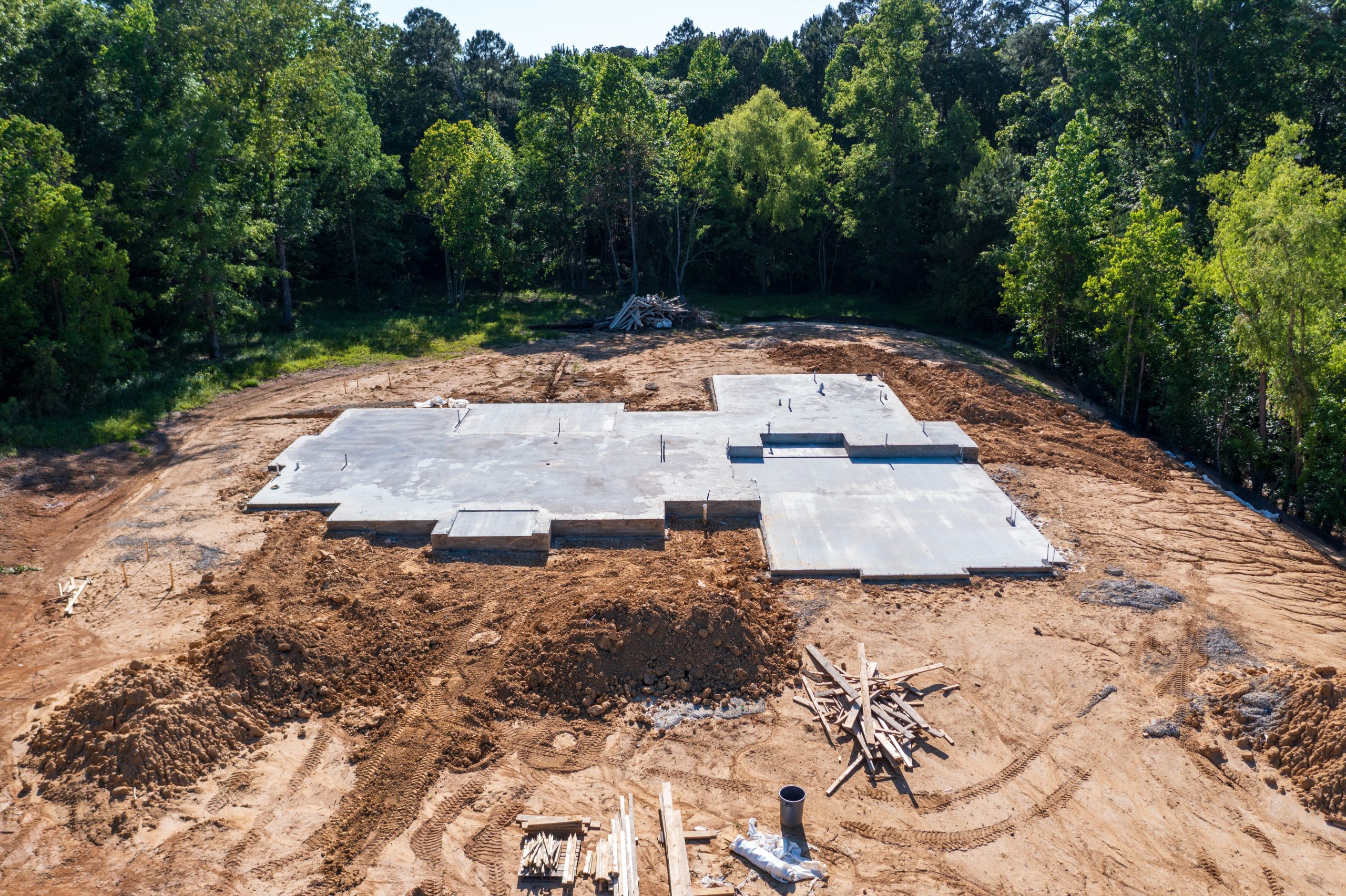
What Sinking Soil Is Telling You
Common Signs Around Basement Walls
If you notice the ground slowly sinking along your foundation, do not ignore it. Soil settlement near a basement wall often points to backfilling or drainage issues. The signs are usually easy to spot once you know what to look for.
- A narrow trench-like dip running along the basement wall
- Mulch, stones, or topsoil sliding toward the wall after rain
- Water pooling along the foundation or near window wells
- Cracks forming in nearby concrete walks, patios, or steps
- Downspout washouts, splash marks, or eroded channels
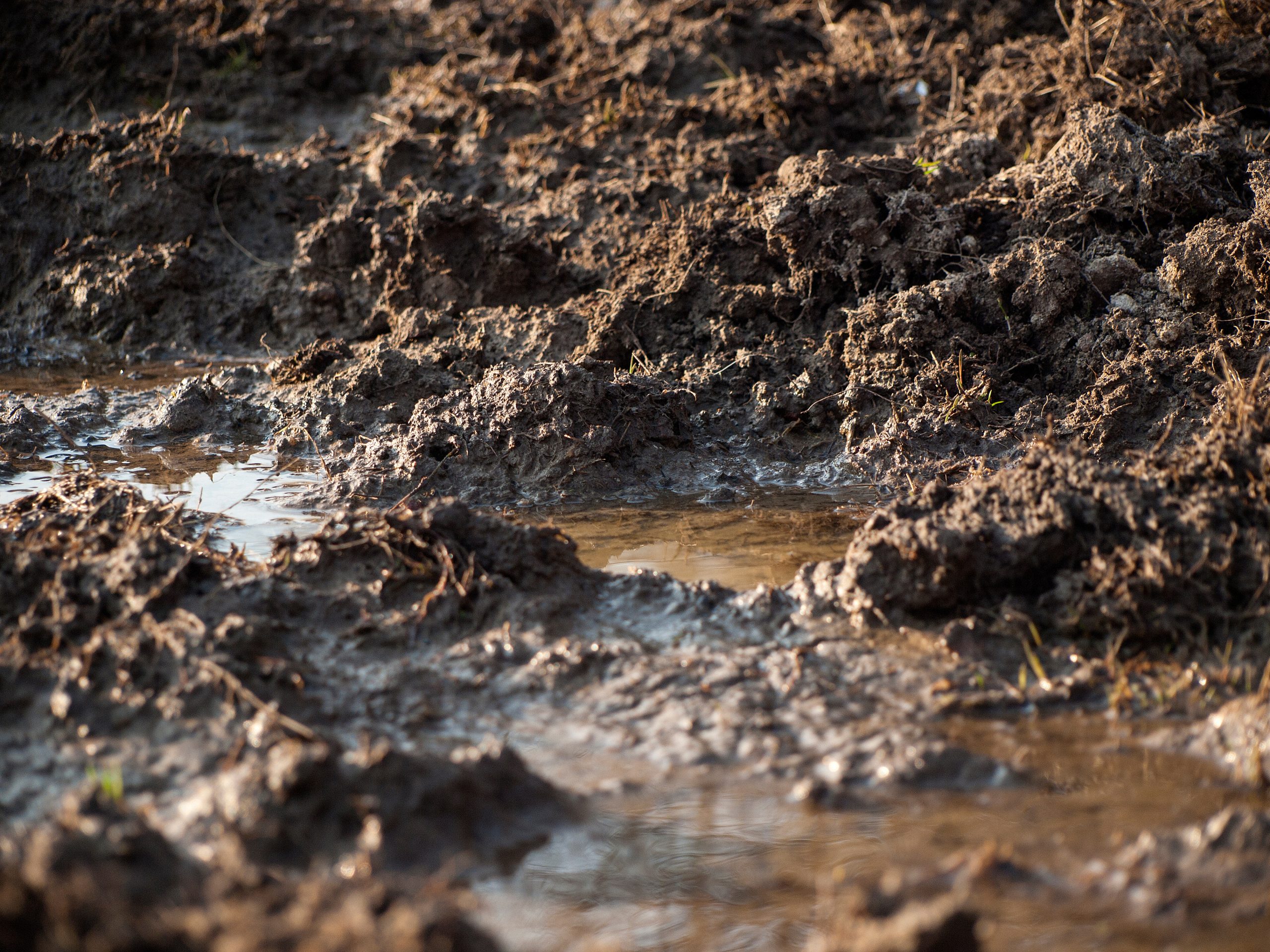
- Mushy or spongy soil close to the wall after a storm
Why This Matters for Your Foundation
Soil that sinks next to a basement wall is more than a landscaping problem. When the grade settles, water flows toward your home rather than away from it. Over time, that added moisture can increase pressure on your wall, weaken waterproofing, and seep into the basement. Persistent wet soils also freeze and expand in winter, which can push laterally against the wall and worsen cracks. If left unchecked, these conditions may lead to leaks, mold, and even structural movement.
The Root Causes: How Backfilling and Drainage Lead to Sinkage
Improper Backfilling After Construction or Repair
Most homes experience some settlement around the foundation after construction. The space excavated for the basement is often refilled with looser soil. If backfilling is rushed or done with poor technique, the soil can settle for years. Common mistakes include dumping all the fill at once, using high-clay or organic soils, and skipping compaction. Even well-built homes can show settlement if the backfilling around utility lines or later repairs was not handled correctly.
Poor Compaction and Fill Material Choice
Compaction is the process of squeezing out air pockets and tightening soil particles. Without it, fill sinks as gravity and rainwater pack it down naturally. Good backfilling follows a lift-and-compact approach, where soil or granular material is added in thin layers and compacted each time. The material matters too. Clean, granular fills like sand and gravel are more stable and drain better than heavy clay or topsoil. Mixing topsoil deep in the backfill zone invites long-term settlement because organics break down and shrink.
Water Infiltration and Drainage Failures
Water is the great mover of soil. Gutters that overflow, downspouts that dump near the wall, clogged footing drains, or soil that is too flat can all channel water toward your foundation. As water flows into the backfill zone, it carries fine particles away and leaves voids behind. That voiding causes the surface to sink. Repeated wetting and drying cycles speed up settlement and can dislodge protective coatings on the exterior wall.
Utility Trench Settlement and Nearby Work
Gas lines, electrical conduits, water services, and sewer laterals are often buried in narrow trenches that connect to the foundation. If those trenches were not compacted in lifts or were backfilled with soft material, you may see a long, sunken line that meets the foundation depression. The same thing can happen after patio replacements, fence post installations, or landscape bed rework where soil along the wall was disturbed.
Soil Type, Freeze-Thaw, Roots, and Organic Decay
Soils behave differently across Wisconsin. Many areas have clay that holds water and shrinks or swells with the seasons. In winter, wet soils freeze and expand, then thaw and slump, leading to settlements that show up as dips along the wall. Tree roots can open pathways for water and disturb compacted soils. Organic debris like buried stumps, sod, or construction scraps can rot and collapse, creating hidden voids that slowly telegraph to the surface.
How to Diagnose the Problem at Home
You can learn a lot before calling a pro. A simple at-home checklist will help you narrow down the cause and plan your next steps.
- Walk the perimeter after a good rain. Note any standing water, washouts, or soft spots near the wall.
- Check your gutters and downspouts during a storm. Look for overflow and confirm downspouts discharge at least 6 to 10 feet from the foundation.
- Inspect the slope. You want at least 6 inches of drop away from the wall over the first 10 feet where possible.
- Probe the soil. A long screwdriver or rod can reveal voids. If the tool pushes in easily next to the wall but not farther away, your backfill is likely loose.
- Look inside. Foundation cracks, damp spots, musty smells, or a sump that runs often can confirm a drainage link.
- Map features. Note utility line locations, recent yard projects, or replaced patios that could have disturbed backfill.
Fixes That Actually Work
Quick Homeowner Actions
Start with the basics to slow down the problem and protect your basement.
- Clear gutters and add gutter guards if needed to prevent overflow.
- Extend downspouts with solid pipe at least 6 to 10 feet away from the wall, then daylight to a lower area.
- Fill small depressions with compactable granular soil, tamping in thin layers by hand until the area is slightly crowned.
- Redirect sprinklers so they do not soak the foundation zone.
- Keep mulch thin near the wall so water does not get trapped against the foundation.
When to Regrade and Backfill Correctly
If the settlement is more than a few inches or keeps returning, a proper regrade is the right fix. Correct backfilling is a process, not a single step. The goal is a stable, well-compacted, free-draining envelope that sheds surface water away from the home. A contractor should remove poor material, add clean granular fill in lifts, compact each lift, and shape a lasting positive slope. In many cases, a geotextile separator below topsoil helps keep fines from migrating into the granular layer and preserves the grade over time.
Drainage Upgrades That Stop Settlement
Since water drives settlement, effective drainage is key. Depending on your site, that may include surface grading to establish swales, downspout extensions to a pop-up emitter, or decorative river rock trenches to carry water away without erosion. If the footing drain is failing or missing, an exterior drain tile system placed at the footing level with washed stone and a fabric wrap can transform the wet backfill zone into a free-draining system. Pair this with reliable sump discharge routing so pumped water does not cycle back toward the foundation.
Structural and Waterproofing Corrections
Where the wall has cracked or bowed, or where water intrusion has already occurred, the fix may include foundation repairs alongside grading. Exterior waterproofing membranes, repaired or replaced drain tile, and new window well drains protect the wall while the regrade keeps water off the surface. The combination of correct backfilling, drainage control, and waterproofing is far more reliable than adding soil year after year.
Materials That Make a Difference
Not all soils are equal. For the backfill zone next to your foundation, clean sand or a sand and gravel blend compacts well and drains fast. Topsoil belongs on top for planting, not deep in the backfill. A typical section might include compacted granular backfill up to 6 to 12 inches below finished grade, a geotextile separator, and then a layer of quality topsoil for turf. Where splash erosion is common, add a band of decorative stone over filter fabric along the wall to armor the surface and keep fines from washing away.
Why Proper Backfilling Matters in Wisconsin Climates
Wisconsin sees freeze-thaw cycles, heavy spring snowmelt, and short, intense summer storms. Those conditions work against poorly compacted soils. Water that collects beside your wall expands as it freezes and contracts when it thaws, causing seasonal slumps and cracks. In areas with clay-rich soils, water hangs around longer and magnifies the effect. Proper backfilling with granular materials and a defined slope is a proven way to control moisture and reduce frost impacts on the foundation. Good drainage also helps keep basements dry during rapid snowmelt events when the ground is still partly frozen and cannot absorb water.
How RLP Diversified, Inc Solves Sinking Soil Problems
RLP Diversified, Inc has been grading and excavating across Wisconsin since 2000. Based in Burlington and serving the entire state, the team brings the right people, equipment, and materials to stabilize your soil and protect your basement. After adding Andy’s Excavating in 2013, RLP Diversified, Inc expanded its capabilities to cover everything from backfilling basements to full site grading, demolition, and drainage improvements. If you are in Milwaukee, Waukesha, Madison, Racine, Mequon, Kenosha, Green Bay, or anywhere in between, you can count on a local crew that knows our soils and climate.
Here is how RLP Diversified, Inc tackles a sinking grade next to your basement wall:
- Site assessment. We inspect grading, downspouts, soils, and signs of settlement or water entry. We also map utilities to protect your services.
- Plan and estimate. You receive a clear scope that outlines materials, methods, and expected results.
- Selective excavation. We remove soft or organic backfill and expose problem areas for proper rebuilding.
- Drainage upgrades. Where needed, we install or repair footing drains, add surface swales, and route downspouts safely away.
- Professional backfilling. We place clean, compactable granular material in lifts and compact each layer with the right equipment.
- Finish grading. We shape a durable slope away from the wall, add a geotextile separator, and top with quality topsoil or stone.
- Quality assurance. We test slopes, check drainage paths, and walk you through maintenance tips to keep the grade performing.
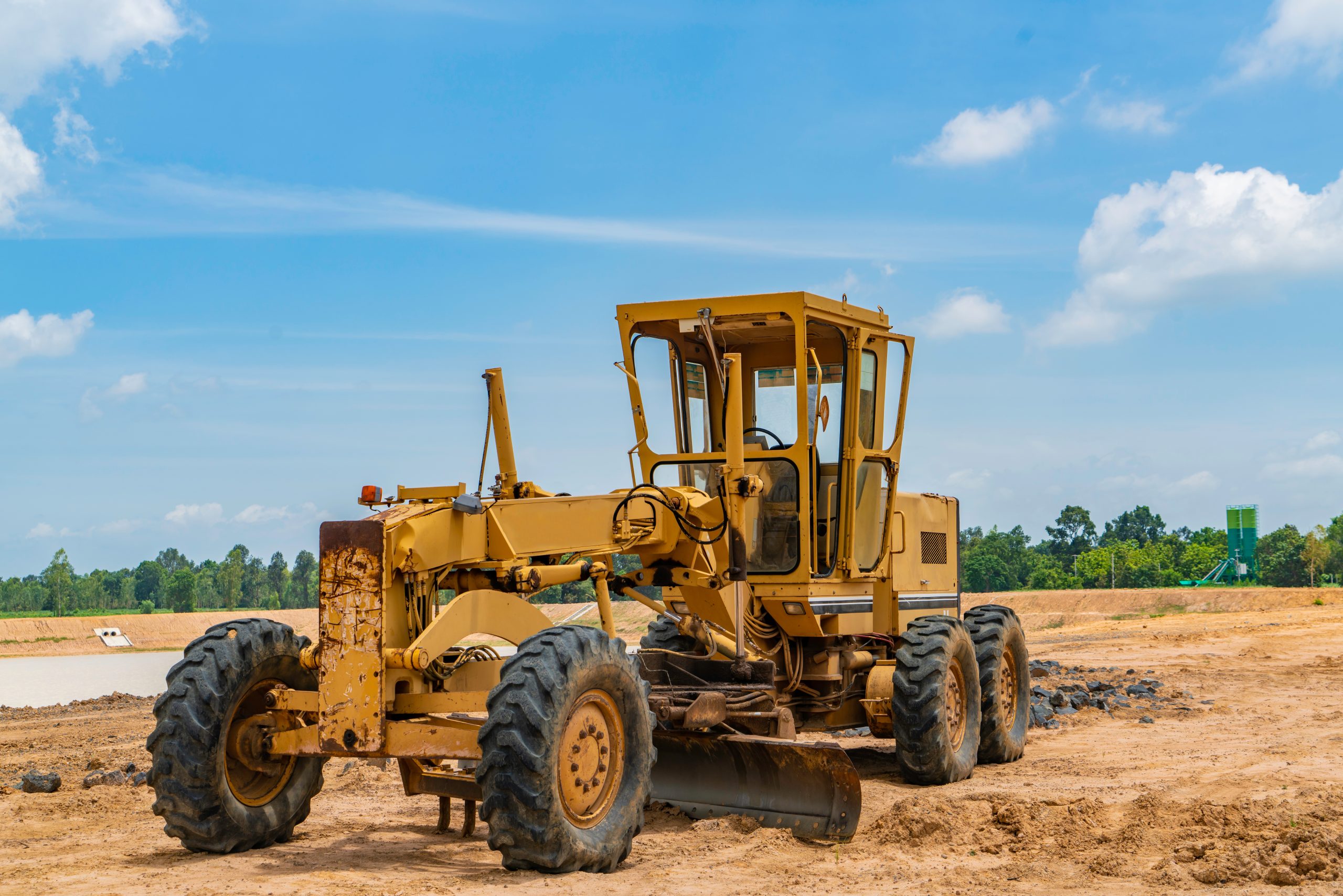
Because RLP Diversified, Inc runs equipment from trusted brands like Caterpillar, Bobcat, and New Holland, the work is efficient and precise. Need materials too? Our Aggregate and Trucking team delivers topsoil, fill dirt, sand, stone, gravel, and limestone across Wisconsin, so your project has the right fill on time. If a failing patio, driveway, or old concrete is contributing to the problem, our demolition and recycling crew can remove it and prep for a new, better-draining surface. For properties with water management challenges, our pond excavating and shoreline protection services create controlled storage and stable banks that protect your yard and home.
FAQs About Backfilling and Sinking Ground
How long should backfill settle?
Even good backfilling can settle a bit in the first season, but you should not see ongoing dips year after year. If the grade keeps dropping or if water pools near the wall, the backfilling likely lacked proper compaction or drainage.
Can I just add more topsoil?
Adding a light layer of topsoil for minor touch-ups is fine, but piling topsoil into a deep depression rarely lasts. It holds water, breaks down, and sinks again. For anything more than a shallow dip, you need compactable granular fill and proper lift-by-lift compaction.
Is foam injection a good fix?
Polyurethane foam injection can help lift settled slabs, but it is not a cure for poorly compacted soil against a basement wall. The better approach is to correct the backfilling and drainage. Foam near foundation walls can also trap water if the site is not graded correctly.
What slope do I need away from the foundation?
A common guideline is 6 inches of drop over the first 10 feet where space allows. On tighter lots, you may need swales, drains, or hardscape solutions to move water safely away.
How far should downspouts discharge?
Extend downspouts to at least 6 to 10 feet from the foundation and direct them to a lower area or a pop-up emitter. Where possible, connect to a solid pipe that daylights downhill.
Pro Tips to Prevent Future Settlement
Simple habits can keep your foundation grade stable and your basement dry.
- Clean gutters twice a year and after heavy leaf drop.
- Inspect the perimeter each spring for depressions and fix small issues early.
- Keep plants with deep or aggressive roots several feet away from the wall.
- Use river rock and fabric bands along the foundation to limit splash erosion.
- Avoid piling snow against the wall to reduce water load during melt.
- Do not park heavy equipment or stack materials right next to the basement wall.
Get a Trusted Assessment in Wisconsin
If the ground is sinking next to your basement wall, now is the time to act. The solution usually starts with proper backfilling and smart drainage, and both pay off with a drier, safer home. RLP Diversified, Inc brings decades of grading and excavating experience to homes and businesses across Wisconsin, from Burlington to Milwaukee, Madison to Green Bay. We know the soils, the weather, and the right way to rebuild a foundation grade that lasts.
Reach out to RLP Diversified, Inc for a clear, no-pressure assessment and a plan tailored to your property. With the right materials, proper compaction, and dependable drainage, you can stop the sinking, protect your basement, and restore lasting curb appeal.
Key Takeaways
- Sinking ground along a basement wall is usually tied to poor backfilling and drainage.
- Look for dips, pooling water, gutter overflow, and soft soils as early warning signs.
- Real fixes include granular backfill in compacted lifts, positive slope, and upgraded drains.
- Wisconsin’s freeze-thaw cycles make proper materials and compaction even more important.
- RLP Diversified, Inc offers full-service grading, backfilling, aggregate delivery, and drainage solutions statewide.



Leave A Comment