If your yard drops off more than a few inches, building a pole barn can feel out of reach. The truth is that slopes are common across Wisconsin and you can still build a straight, dry, long lasting barn with the right site preparation plan. The key is to manage the slope with smart grading and dependable drainage, then match the foundation to the soil and the intended use of your building. RLP Diversified, Inc has helped homeowners, farmers, and businesses turn uneven ground into strong building pads since 2000. This guide explains how to assess your yard, choose the right approach for the grade, and plan a clean and safe work site from start to finish.
Why Slope Matters for Pole Barns
A slanted yard brings more than visual issues. It affects water flow, soil pressure, and how your foundation handles loads. If you skip proper site preparation, you risk water pooling at the posts, heaving in winter, and settlement under your slab. You also limit where doors can go and how equipment moves in and out. Good planning solves these problems before any pole goes in the ground.
- Water control. Water runs downhill and will follow the fastest path. On a slope, this can wash out fill, create ruts, and flood low corners unless you plan for it.
- Frost and freeze thaw. In Wisconsin, frost depth can reach four feet or more. Uneven soils and wet spots make frost heave worse. Posts and piers must extend below frost and be protected from uplift.
- Access and clearance. A steep approach can make wide door openings hard to use. Level aprons and stable gravel bases improve access for trucks, tractors, and trailers.
- Structural load paths. A level, well compacted pad spreads the weight of your barn evenly. On sloped ground this takes careful cut and fill plus compaction.
Start With a Clear Site Preparation Plan
Every good project begins with assessment. Before you order materials or set posts, gather data you can build on. RLP Diversified, Inc can complete these steps for you, or you can begin the process and bring us in to validate and execute.
Measure the Slope
You do not need fancy tools to understand your grade. A string line or a long level and tape measure will do. Set a stake at the high point and one at the low point where you want your barn. Stretch a string level between them. Measure the drop over the run to get slope percent. For example, a 2 foot drop over 40 feet is a 5 percent slope. That basic number guides how much cut and fill is needed.
Check the Soil
Soil type affects drainage and compaction. Sandy soils drain fast but need enough fines to compact well. Clay holds water and can pump under load. Loam often performs best. If you see dark organic topsoil, plan to strip it until you reach firm subgrade. If there are soft spots or muck, that material must be removed and replaced with engineered fill or stone. RLP Diversified, Inc often proof rolls pads with heavy equipment to locate weak areas before construction.
Locate Utilities and Setbacks
Call Diggers Hotline at 811 before any digging. Mark water, gas, electric, and communication lines. Then confirm setbacks and building placement with your local zoning office. Plan room for trucks and aggregate delivery, and space for spoil piles and equipment access during site preparation.
Options to Build on a Slope
There is no single fix for a slanted yard. Your best option depends on how steep the grade is, soil conditions, and how you want to use the building. These are proven options RLP Diversified, Inc applies across Wisconsin.
Cut and Fill Pad
This is the most common approach. Crews cut into the high side and use that soil to build up the low side, creating a flat bench for the barn. Proper compaction is vital. On steeper hillsides you may still need a short retaining slope or wall on the uphill side.
- Pros. Creates a simple level footprint, works well with slab on grade, allows straightforward door placement.
- Considerations. Needs good fill and compaction in lifts. May require drainage behind the cut to capture hillside water.
Stepped Piers
For moderate slopes or when you want minimal earthwork, concrete piers can be stepped to follow the terrain while the building frame stays level. Each row of posts sits on piers at different elevations.
- Pros. Less cut and fill, smaller disturbance to the site.
- Considerations. Requires careful layout and varying pier heights. Under slab work is more complex if you plan a concrete floor.
Perimeter Grade Beam or Stem Wall
A concrete beam or short wall supports the posts and ties the foundation together, often used with poor soils or when you want a slab that is isolated from frost heave. On slopes, the wall can step down to follow grade while keeping the interior level.
- Pros. Strong, resists movement, works well for heated shops or finished interiors.
- Considerations. More concrete and formwork, needs precise drainage planning.
Retaining Wall With Level Pad
For sharp drops near property lines or tight spaces, a small retaining wall and a level pad may make the best use of the area. The wall can be modular block, poured concrete, or large stone depending on loads and look.
- Pros. Saves space, controls soil pressure, clean look.
- Considerations. Must include drainage and filter fabric. Design for surcharge from the barn and vehicles.
Drainage Is Non Negotiable
Drainage protects your investment. Good site preparation moves water off and around your barn without washing out soils or flooding doors. Plan both surface and subsurface systems.
Surface Drainage
- Swales. Shallow grassed channels that carry water around the pad to a safe outlet. Keep a consistent fall and avoid sharp turns.
- Driveway crowns. A crowned driveway and aprons shed water to the sides instead of toward the barn.
- Ditches and berms. Low berms can block hillside runoff from entering the building pad. A lined ditch can carry heavy flows to a culvert or basin.
Subsurface Drainage
- French drains. Perforated pipe in washed stone wrapped with geotextile removes water from behind cuts, walls, or under slabs. Outlet to daylight where possible.
- Downspout management. Tie gutters into solid pipe and route to a splash area or rain garden well away from posts and slab edges.
- Stone base. A base of crushed stone under the slab and in door aprons improves drainage and reduces capillary rise. RLP Diversified, Inc supplies limestone and gravel blends sized for stable bases.
Grading and Compaction Best Practices
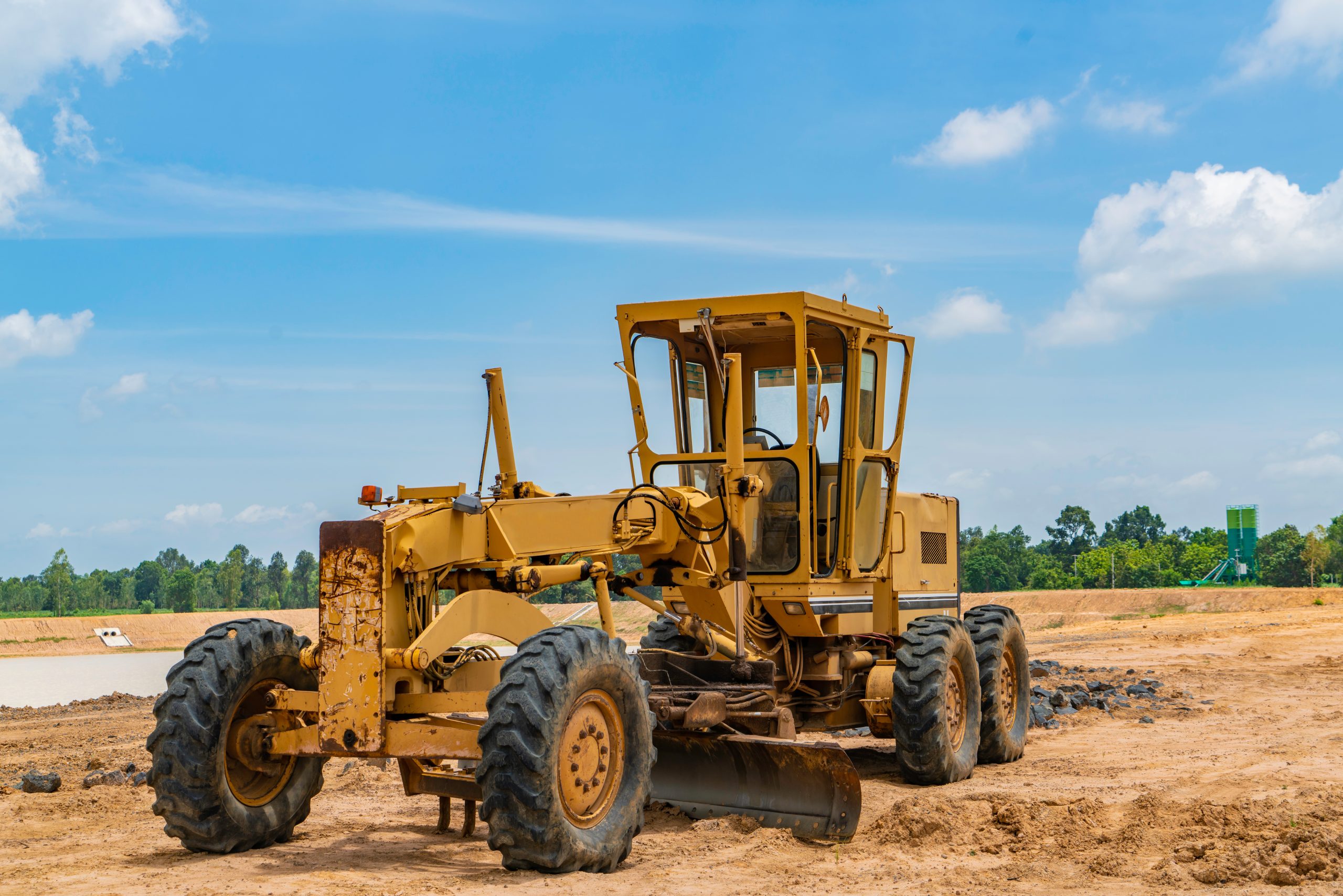
Stable pads start with careful grading and compaction. RLP Diversified, Inc uses Caterpillar, Bobcat, and New Holland equipment to shape, compact, and finish pads that hold grade and shed water.
- Strip topsoil. Remove organics until you reach firm subgrade. Stockpile topsoil for later landscaping and seeding.
- Balance cut and fill. Use on site soils where they meet specs. Do not place wet clays or debris in structural fills.
- Build in lifts. Place fill in 6 to 12 inch layers and compact each lift to the right density. Moisture content matters. If it is dusty, add a bit of water. If it is muddy, let it dry.
- Use geotextile when needed. On soft subgrades, a woven fabric separates soil from stone and spreads load. Geogrid may be needed in very weak areas.
- Proof roll. Drive loaded equipment over the pad to find soft spots. Fix those areas before you set forms or posts.
- Finish grade for drainage. Set the final slope away from the building at least 2 percent for the first 10 feet. Compact the surface again after final shaping.
Foundation Choices That Work on Slopes
Pole barns give you flexibility. The right foundation matches your use, budget, and the site conditions. On sloped lots, these options are common and reliable when paired with proper site preparation.
Embedded Posts With Concrete Backfill
Treated columns can be set in drilled holes with a concrete collar or full backfill. On slopes, add uplift protection and ensure holes go below frost. Use appropriate drainage and avoid water trapped in post holes. This is a cost effective choice for cold storage barns and ag buildings.
Concrete Piers and Post Brackets
Drill to frost depth, pour piers, and connect posts with brackets. This keeps wood out of soil and works well where water is present. On sloped sites, piers can be set at different heights to level the frame.
Slab on Grade With Thickened Edge
Once the pad is level, you can place a stone base and pour a slab with thickened edges. Dowels, vapor barrier, and insulation on heated slabs improve performance. The stone base must be uniform and well compacted for long term results.
Erosion Control During and After Construction
Slopes are prone to erosion during site preparation. Local rules often require controls. RLP Diversified, Inc installs and maintains protection that keeps soil on site and water clean.
- Silt fence and wattles at the downhill edge to catch sediment.
- Inlet protection for nearby storm drains.
- Temporary rock tracking pads to keep mud off the road.
- Fast seed, mulch, and erosion blankets on disturbed slopes as soon as grading is done.
- Riprap at pipe outlets and ditch bends to prevent scour.
Permits, Inspections, and Local Rules in Wisconsin
Each county and township sets its own rules, but most projects follow a similar path. Your pole barn may need zoning approval, a building permit, and erosion control measures. If your project changes drainage patterns or is near wetlands or shorelines, review Wisconsin DNR requirements. Always call 811 before digging. RLP Diversified, Inc works across Wisconsin, including Milwaukee, Waukesha, Madison, Racine, Mequon, Kenosha, and Green Bay, and can coordinate with local offices and inspectors to keep your project on schedule.
Materials and Trucking to Keep Work Moving
A sloped site often uses more aggregate than a flat lot, especially for pads, aprons, and drives. Planning deliveries saves time and keeps compaction on track. RLP Diversified, Inc provides aggregate and trucking for topsoil, fill dirt, sand, stone, gravel, and limestone. Our drivers place loads where crews need them, which speeds up grading and reduces rehandling. We also haul away unsuitable soils and debris and recycle concrete from old drives and pads.
Timeline and Budget Factors for Sloped Site Preparation
Every property is unique, but a typical timeline for site preparation on a moderate slope looks like this:
- Assessment and permits, one to three weeks depending on approvals.
- Clearing and stripping, one to two days for most barn sites.
- Cut and fill with compaction, two to five days based on volume and weather.
- Drainage and utilities, one to three days for pipe, swales, and outlets.
- Base stone and final grading, one to two days depending on size.
Budget depends on slope percent, soil conditions, access, and drainage needs. Steeper sites take more excavation and may need retaining walls or more imported fill. Soft soils raise costs due to undercuts, fabric, and stone. A clear site preparation plan helps you control costs and avoid change orders. RLP Diversified, Inc can provide a detailed scope and schedule after a short site visit.
Common Mistakes to Avoid
- Skipping a slope survey. Guessing at grade often leads to too little or too much cut and fill.
- Building on topsoil or loose fill. Organic soils and uncompacted layers settle under load.
- Ignoring hillside water. Without swales and drains, runoff will attack the pad and doors.
- Pier holes that are too shallow. In Wisconsin, piers and posts must extend below frost to prevent heave.
- No separation fabric over weak soils. Fabric stops fines from pumping into your stone base.
- Forgetting access. Tight turns and soft drives slow trucks and increase costs.
Simple Checklist to Get Started
- Define the barn size, door locations, and use case.
- Measure slope percent across the footprint and approach.
- Call 811 and mark utilities.
- Confirm zoning, setbacks, and permits with your municipality.
- Plan drainage routes and outlet locations.
- Choose a foundation approach suited to your slope and soil.
- Get a written site preparation scope from an experienced contractor.
Why Choose RLP Diversified, Inc for Sloped Site Preparation
RLP Diversified, Inc brings more than two decades of grading and excavating experience to every job. After adding Andy’s Excavating in 2013, our team expanded services and equipment capacity to handle complex sites across the state. We combine accurate grading with complete drainage, aggregate delivery, and finish work for a smooth build process. One contractor handles:
- Grading and earthmoving, including rough and finish grading, road grading, and lawn seeding.
- Excavating for posts, piers, and utilities, plus demolition if you need to remove old slabs or structures.
- Aggregate and trucking for fill, stone bases, and driveway improvements.
- Pond and shoreline work when projects include water features or stormwater controls.
- Concrete and asphalt tear out with recycling for clean sites and responsible disposal.
We use dependable equipment from Caterpillar, Bobcat, and New Holland and follow proven compaction and drainage standards. From Milwaukee to Madison and from Kenosha to Green Bay, our crews prepare sites that stand up to Wisconsin’s freeze thaw cycles and heavy rains.
Turning a Slanted Yard Into a Strong Building Site
Do not let a sloped yard delay your plans. With the right site preparation, your pole barn can stand level, dry, and accessible for decades. Start with a clear slope measurement, match your foundation to the soil and grade, and give water a safe path away from the building. Protect the work with erosion controls and finish the site with clean grading and a stable approach.
RLP Diversified, Inc is ready to help you evaluate options, create a practical grading and drainage plan, and deliver the materials and workmanship your project needs. Share your ideas, schedule a site walk, and get a detailed scope that fits your land and your timeline. Your slanted yard can support a dependable pole barn. The difference is expert site preparation and a contractor you can trust.



Leave A Comment