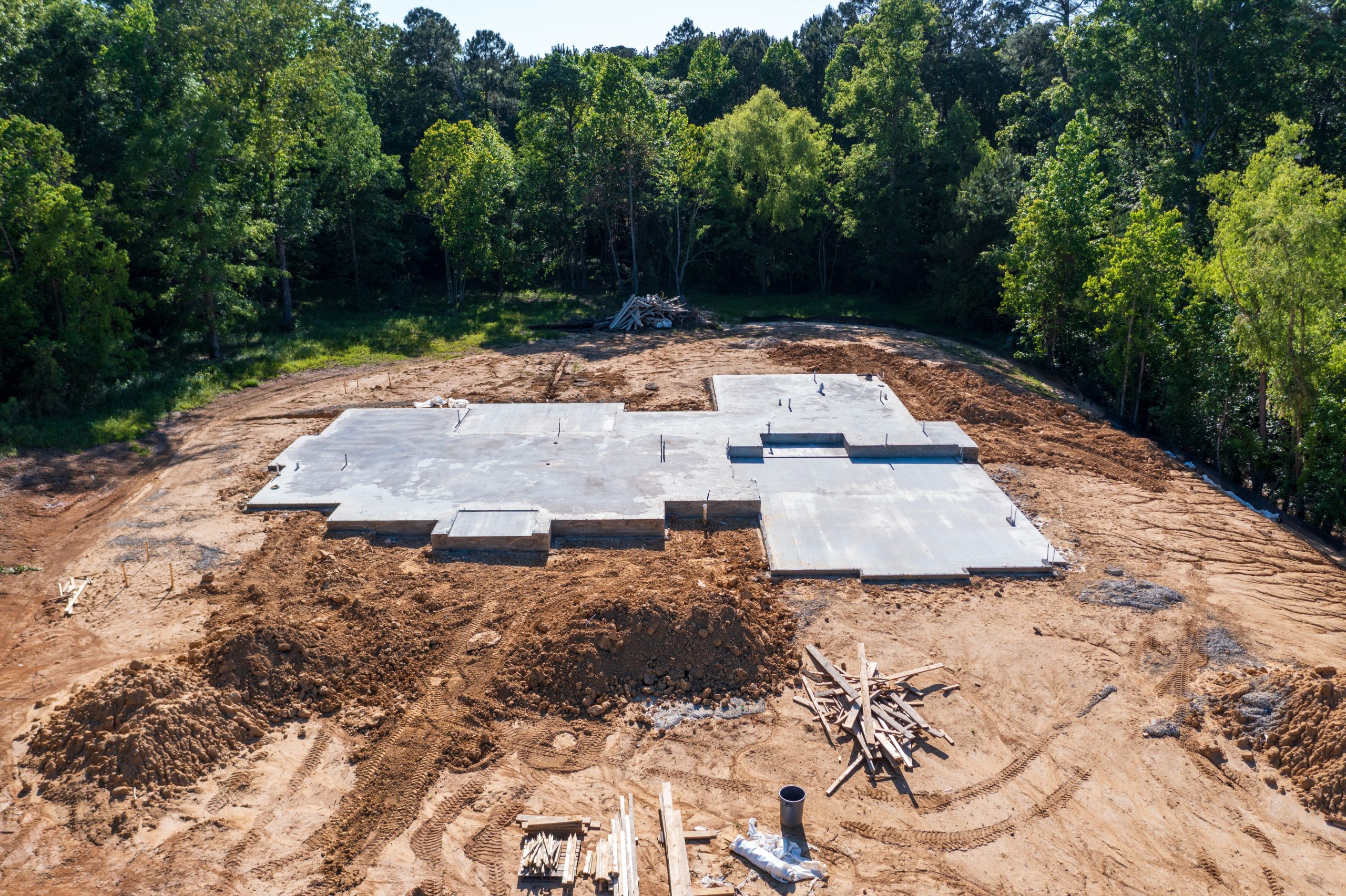
Finding a cracked concrete slab or a ring of old footings hidden under leaves can be surprising. Homeowners often ask garage demolition contractors to explain why an old concrete foundation is sitting in the woods, what risks it poses, and how to remove it the right way. In this guide, RLP Diversified, Inc shares the most common origins, the hazards to watch for, and the practical steps to reclaim your land safely and legally in Wisconsin.
How a Concrete Foundation Ends Up in the Woods
Former homestead or farm outbuilding
Many Wisconsin properties once held small homesteads, tenant houses, barns, or corn cribs. Over time, timber framed buildings rot or get dismantled while the concrete stays behind. If your woods were pasture 50 to 100 years ago, the slab may be the last trace of a shed, milk house, or chicken coop.
Decommissioned garage or workshop
Detached garages were often built at the edge of a lot to keep noise and fire risk away from the home. When a structure burns, gets storm damage, or falls out of use, owners sometimes clear the frame and leave the foundation. This is one of the most common discoveries garage demolition contractors see on rural and semi-rural sites.
CCC or WPA era structures
During the 1930s and 1940s, federal work programs built park shelters, tool sheds, and storage pads. Many of these were later abandoned. If you live near parkland, trails, or former campgrounds, a foundation could date to that era.
Old utility or telecom base
Small concrete pads sometimes supported pump houses, electrical transformers, or early telephone equipment. Look for bolts sticking up from the slab or a trench line where a conduit once ran.
Storm relocation or rebuild footprint
After a tornado or flood, a building might be removed and rebuilt somewhere else on the same parcel, leaving the original footing or slab in place. This can happen when immediate cleanup focuses on safety and the remaining concrete is not a priority at the time.
Partial demolition or informal dumping
In years past, owners or unlicensed operators sometimes demolished structures without permits and left concrete behind. You may see broken chunks that were dumped to fill a low spot. Responsible removal and recycling prevents this, which is why hiring qualified garage demolition contractors matters.
Clues that reveal what it was
- Anchor bolts in a rectangle suggest a framed garage or shop.
- A trench or shallow groove may trace an old utility line.
- Short piers set in pairs often supported a porch or small deck.
- Burn marks or melted glass can point to a fire event.
- Nearby bottle glass, ceramics, or square nails hint at an older homestead.
Risks of Leaving an Old Foundation in Place
Safety hazards
Exposed rebar, uneven edges, and hidden voids can injure people and pets. Concrete that looks solid may be undermined by roots or erosion. Children exploring the woods are at risk of trips and falls. Winter frost can lift and crack edges, creating more hazards each season.
Environmental concerns
While plain concrete is mostly inert, old sites can include buried debris like shingles, treated timbers, cans, or oil-soaked soil. If the structure housed engines, paint, or chemicals, contamination may have seeped into the ground. Poorly placed rubble can block natural drainage, cause erosion, or harm wetlands when heavy rains move fines downstream.
Property and legal issues
Counties and municipalities often regulate demolition debris and require permits for removal. If the foundation crosses setbacks, wetlands, or shoreland zones, fines or extra approvals can apply. A forgotten foundation can also complicate a future sale if a surveyor notes structures not recorded on the permit history. Clearing it the right way prevents headaches later.
What to Do First When You Find a Foundation
Take photos and measure
Capture the site from several angles, and note length, width, and thickness if visible. Mark any anchor bolts, cracks, or nearby depressions. Sketch distances to trees, property lines, and water features. Good documentation helps garage demolition contractors price work accurately and plan for safe access.
Locate utilities
Call to have utilities marked before you dig or disturb the area. Old lines can remain live or hold abandoned conduit that becomes a snag risk during removal. This is a critical first step even if the site looks remote.
Check local rules
Contact your town, city, or county building department. Ask about demolition permits, erosion control requirements, and disposal rules for concrete. If the site is near a creek, lake, or wetland, contact the Wisconsin DNR about any environmental protections.
Look for signs of contamination
Notice staining, odors, or metal tanks. If you suspect fuel or chemicals, pause and consult a professional. Soil sampling may be wise to avoid spreading contaminants during excavation. RLP Diversified, Inc can coordinate testing and safe handling when needed.
When to call garage demolition contractors
If the slab is thicker than a few inches, includes reinforced footings, sits near trees you want to keep, or lies close to water or steep slopes, bring in pros. Experienced garage demolition contractors have the equipment, training, and permits to break, load, recycle, and restore the site without damaging your land.
Removal and Restoration Options
Leave in place and make it safe
If the slab is stable and not an eyesore, you can fence it, backfill sharp edges, and keep people off it. This option works when budgets are tight, but it delays the inevitable if you plan to repurpose the land.
Repurpose the slab
Some owners convert a sound slab into a picnic pad, firewood base, or a small shed site. A thin overlay can smooth minor spalls. Keep in mind that adding a new structure may trigger code requirements. Always verify setbacks and permits first.
Partial removal and backfill
In this approach, contractors break down the concrete to a set depth, remove hazardous sections, and fill with clean aggregate. It reduces trip risks and restores a natural grade while saving on hauling. This is common when the foundation is large but deep footings are stable and not in the way.
Full removal and site restoration
Complete removal means breaking, loading, and hauling all concrete and rebar, then backfilling with compacted material and topsoil. It allows replanting with native species or new construction. Most homeowners choose this for safety, resale value, and peace of mind.
How Pros Remove an Old Foundation
RLP Diversified, Inc follows a clear process that protects your property and the surrounding environment. We have been serving Wisconsin since 2000 and expanded our capabilities in 2013 by integrating Andy’s Excavating. Our team brings the right equipment, experience, and permits to manage even complex removals.
- Assessment and plan: We inspect access routes, thickness, rebar content, and nearby trees, water, and slopes. We confirm permits, utility marks, and erosion control needs.
- Site prep: We install silt fence or wattles if needed, stage equipment, and clear safe work areas without unnecessary tree removal.
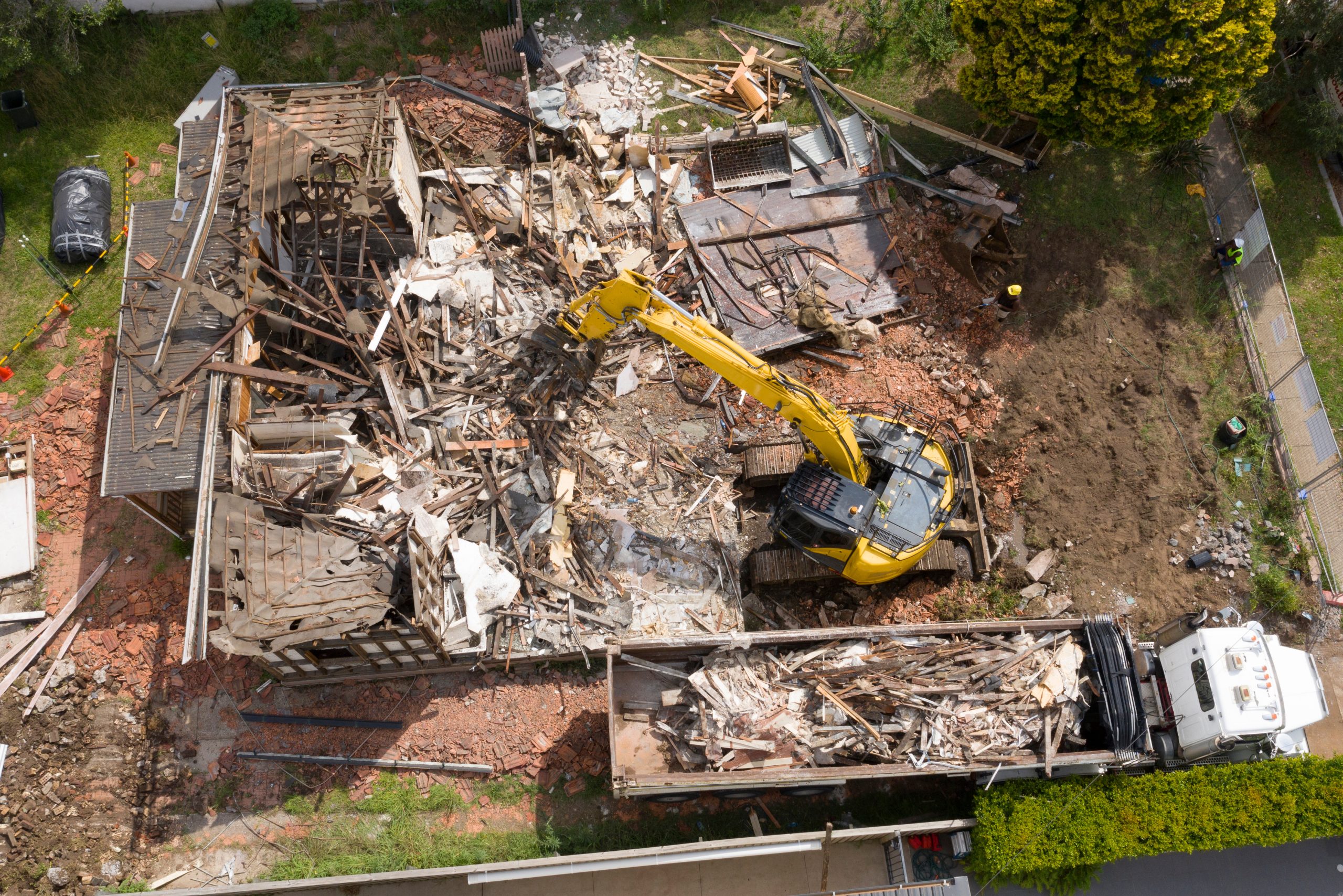
- Breaking and separation: Using Caterpillar, Bobcat, and New Holland excavators and breakers, we fracture the slab and footings. We separate rebar for recycling and sort rubble by size.
- Loading and recycling: Concrete is hauled to a recycler, or we can crush and reuse suitable material for fill under the right conditions. Metal is recycled, reducing landfill use and disposal costs.
- Backfill and compaction: We place clean aggregate, compact in lifts, and shape the grade for proper drainage.
- Topsoil and seeding: We spread topsoil and seed to match the surroundings. In sensitive areas, we use erosion blankets and native seed mixes.
- Final walkthrough: We confirm the site is clean, safe, and ready for whatever comes next.
Equipment and materials we can supply
- Excavators with hydraulic breakers for thick concrete and footings
- Loaders and trucks for efficient hauling
- Aggregate delivery including topsoil, fill dirt, sand, stone, gravel, and limestone
- Erosion control supplies and native seed mixes
Cost and Timeline Factors in Wisconsin
Every site is unique, so an on-site visit is the best way to budget accurately. These factors shape price and schedule:
- Size and thickness of the slab and footings
- Rebar content and presence of wire mesh
- Access for equipment and trucks
- Distance to recycling facilities or landfills
- Tree protection or selective clearing needs
- Proximity to wetlands, shorelines, or steep slopes
- Soil conditions, groundwater, and drainage
- Permit, testing, and erosion control requirements
Smaller removals can wrap up in a day or two once permits are in hand. Larger or sensitive sites can take a week or more, especially if erosion controls or restoration plantings are specified. Winter work is possible, but frozen ground and snow can affect access and duration.
Why Choose RLP Diversified, Inc as Your Garage Demolition Contractors
RLP Diversified, Inc is a Wisconsin-based contractor providing grading, excavating, pond work, hauling, and demolition since 2000. After adding Andy’s Excavating in 2013, we built a team that handles the full life cycle of site work, from careful tear-out to final grading and seeding. We work across the state, including Milwaukee, Waukesha, Madison, Racine, Mequon, Kenosha, and Green Bay.
- Complete services under one roof: demolition, concrete removal, grading, backfill, and restoration
- Aggregate and trucking: fast delivery of topsoil, fill dirt, sand, stone, gravel, and limestone
- Grading and earthmoving: precise rough and finish grading for stable, well-drained sites
- Pond and shoreline expertise: responsible work near water with erosion controls and stabilization
- Professional equipment: Caterpillar, Bobcat, and New Holland machines matched to your project
- Concrete recycling: environmentally responsible disposal and reuse options
- Trusted statewide: responsive service across Wisconsin communities
When you compare garage demolition contractors, look for a company that can plan, permit, recycle, and restore without passing tasks to multiple vendors. RLP Diversified, Inc manages the details so you do not have to.
Alternatives to Full Demolition
If your site does not require complete removal, we can tailor solutions. Some owners choose to remove only the unstable sections and leave a stable pad for firewood or a small garden shed. Others request a crushed concrete base to level a parking spot on rural land. As experienced garage demolition contractors, we will explain tradeoffs for cost, access, and long-term maintenance so you can make an informed decision.
Environmental Stewardship You Can Rely On
Old foundations often sit near creeks, wetlands, or low wooded areas. RLP Diversified, Inc uses best practices to protect water quality, including silt barriers, stabilized entrances, and careful spoil placement. We remove concrete and foreign debris, return clean fill, and grade for proper drainage. If your site needs shoreline stabilization or pond excavating after removal, our team can design and build those improvements as part of one project.
Frequently Asked Questions
Do I need a permit to remove an old foundation?
Most Wisconsin municipalities require a demolition permit, and some require erosion control permits or inspections. If the site is near water or in a wetland, the DNR may also be involved. RLP Diversified, Inc can help you navigate approvals before work starts.
Can I break up the slab myself?
Small, unreinforced pads are sometimes a DIY project, but reinforced slabs, deep footings, or sites with limited access can be dangerous and costly to tackle alone. Hiring qualified garage demolition contractors reduces risk and usually shortens the schedule.
What happens to the broken concrete?
We recycle concrete whenever possible. It is often crushed for base material in roads, driveways, and construction projects. We also recycle metal rebar. Recycling lowers disposal costs and reduces landfill waste.
Can you work near a pond or stream?
Yes. Our team plans erosion and sediment control, schedules work in dry conditions when possible, and restores disturbed areas quickly. We also provide shoreline protection solutions when needed.
Will trees be damaged?
We plan access paths to avoid root zones when practical and use mats or smaller machines to limit compaction. If selective clearing is necessary, we discuss it before work begins.
Is winter a good time for removal?
Winter removals are possible. Frozen ground can protect turf, but snow and ice impact access and productivity. We evaluate each site and schedule for safety and efficiency.
How do you restore the site after removal?
We backfill with clean aggregate, compact, shape the grade for drainage, spread topsoil, and seed. For natural areas, we can use native mixes and erosion blankets.
Ready to Reclaim Your Woods?
If an old concrete foundation is sitting in your trees, do not let it create safety problems or hold back your plans. RLP Diversified, Inc is ready to assess the site, explain your options, and complete removal with care. From safe demolition to grading, aggregate delivery, and final seeding, we provide the full solution. Homeowners and landowners across Milwaukee, Waukesha, Madison, Racine, Mequon, Kenosha, and Green Bay rely on our team for dependable results.



Leave A Comment