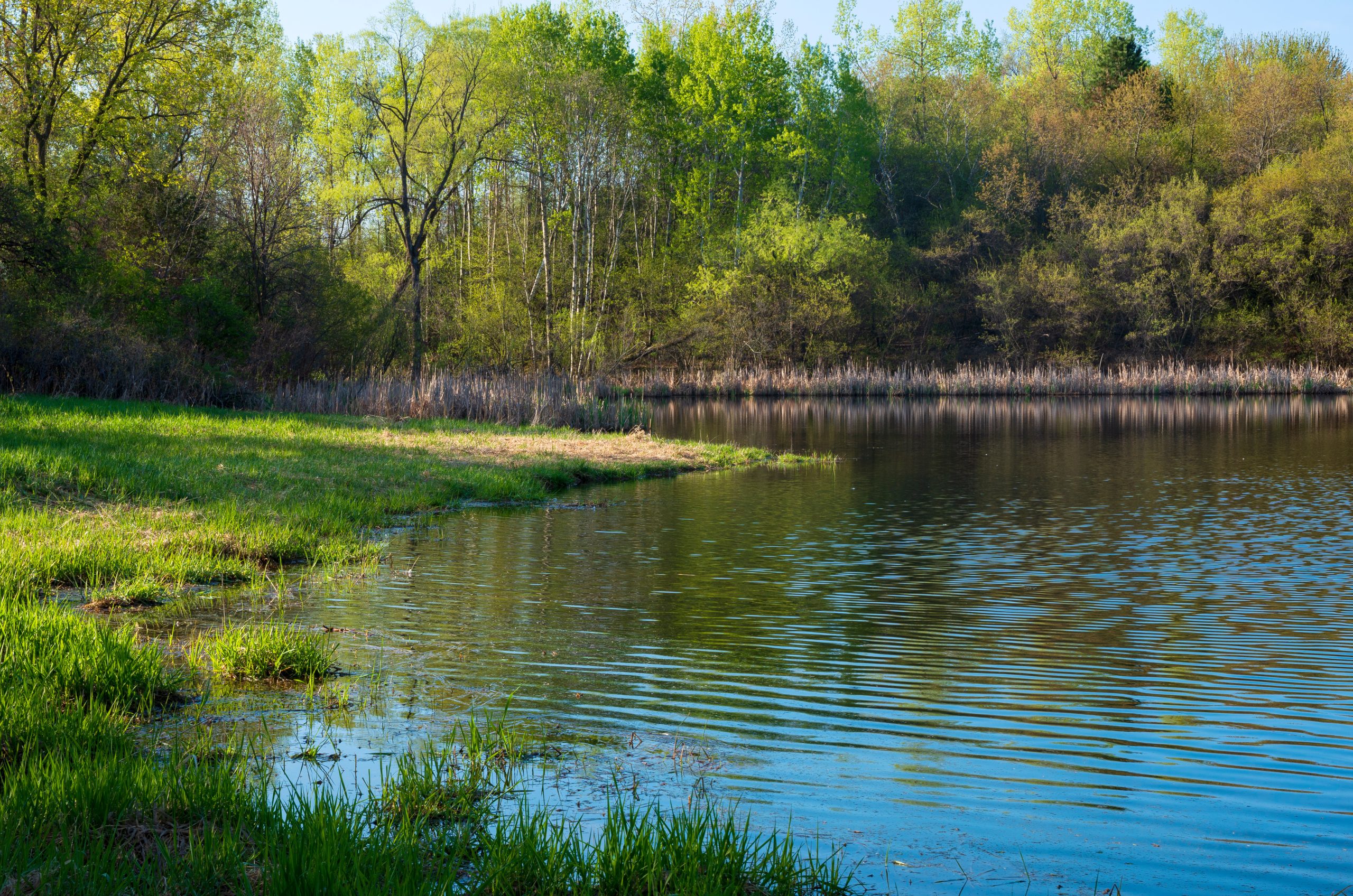
Plan a Pond That Fits Your Land and Your Goals
Pond excavation services for Wisconsin properties, see smart shapes and placement ideas for fishing, livestock, and quiet views. Get expert planning and a free quote. If you want a beautiful, practical pond on your property, shape and placement are just as important as depth and size. In Wisconsin, soils, slopes, and freeze cycles influence how your pond performs through the seasons. With the right design and careful construction, your pond can deliver clear water, healthy fish, safe livestock access, and serene views without constant maintenance or costly fixes. RLP Diversified, Inc brings two decades of field experience to help you get it right from the start.
Why Shape and Placement Matter in Wisconsin
Wisconsin has a mix of clay, silt, and sandy soils, plus four full seasons with freeze and thaw. That blend can be tough on pond edges, embankments, and shorelines. The wrong shape or the wrong location can create shallow coves that fill with weeds, banks that slump after spring melt, or inlets that dump sediment. Conversely, the right shape and site placement reduce erosion, improve circulation, and keep maintenance lower year after year. Good design also influences safety and access, which matter for fishing docks, livestock crossings, and shoreline stabilization.
Start With the Site
Before picking a shape, check the land. A quick, smart assessment sets you up for success and helps predict the scope and cost of pond excavation services.
- Soils: Clay-rich soils hold water. Sandy soils may need a liner or amended clay core.
- Water Sources: Springs, tile lines, roof drains, and watershed runoff affect inflow quality and sediment. Avoid direct manure runoff areas.
- Topography: Natural bowls reduce excavation. Gentle slopes ease access for people and livestock.
- Sun and Wind: Sunlight supports aquatic plants, which can help or hurt. Wind exposure can improve circulation and reduce surface scum.
- Utilities and Easements: Call before you dig and mark all lines. Keep generous setbacks.
- Regulations: Wisconsin DNR and county rules may apply, especially for wetlands, dams, and shoreline changes. RLP Diversified, Inc helps review requirements before work begins.
Pond Shapes by Use
Fishing Ponds That Are Fun to Fish and Easy to Maintain
For fishing, aim for a balanced shape that deepens quickly away from shore, with a few features that attract fish without trapping weeds. Good options include:
- Kidney or Bean: Soft curves reduce wind fetch and discourage long, stagnant corners. Great for small acre ponds.
- Cloverleaf or Keyhole: Gentle lobes create varied habitat and casting angles without forming long, shallow coves.
- Teardrop: A wider end near the house for views, narrowing toward the inlet to slow sediment and allow easier dredging later.
Depth and bank design matter as much as the outline. In most of Wisconsin, include areas of 10 to 14 feet to limit winterkill, plus shelves that drop from 3 to 6 feet relatively quickly to reduce emergent weeds. Add a few underwater humps or a rock reef to create structure for bass, bluegill, or perch. Plan a defined sediment forebay at the inlet if you expect runoff. An accessible path for maintenance equipment will make future dredging cleaner and cheaper.
Consider a quiet aeration plan. Bottom-diffused aerators support healthy oxygen levels under ice and reduce stratification in summer. A simple electrical run to a weatherproof cabinet is easier to install during construction. RLP Diversified, Inc can rough in conduit while excavating and grade the site for a safe dock or fishing pad later.
Livestock Ponds That Stay Clean and Safe
Livestock ponds need strong banks and controlled access. Shape supports animal safety, reduces bank erosion, and improves water quality.
- Linear or Horseshoe: A straight or gentle U with one reinforced entry point for livestock allows you to fence off the rest of the shoreline.
- Cove with Ramp: A single shallow ramp with gravel over fabric gives firm footing and protects water clarity. Keep the ramp short and fence both sides.
Design fences to limit animals to a small drinking zone. You can also add a gravity-fed trough from the pond with a nose pump or float valve. That keeps animals out of the water almost entirely, which protects banks and keeps water clearer. Aim for 3 to 8 feet of water depth in most of the basin, with at least one 10 foot pocket to protect against winterkill. Place the pond upslope from corrals and manure storage areas, not below them. RLP Diversified, Inc can build armored swales and grassed waterways to prevent muddy inflows and can stabilize the service ramp with geotextile, crushed stone, and a compacted base.
Quiet View Ponds for Relaxation and Wildlife
If you want beautiful views and wildlife habitat, choose graceful curves and a layout that frames your home or patio. Consider:
- Crescent or Offset Oval: These shapes mirror shorelines seen in nature and look great from a porch or deck.
- Island Feature: A small central island adds depth variety and a focal point for birds. It also helps break up wind.
- Peninsula Lookout: A narrow spit of land can become a simple walk-out point for sunset views without needing a full dock.
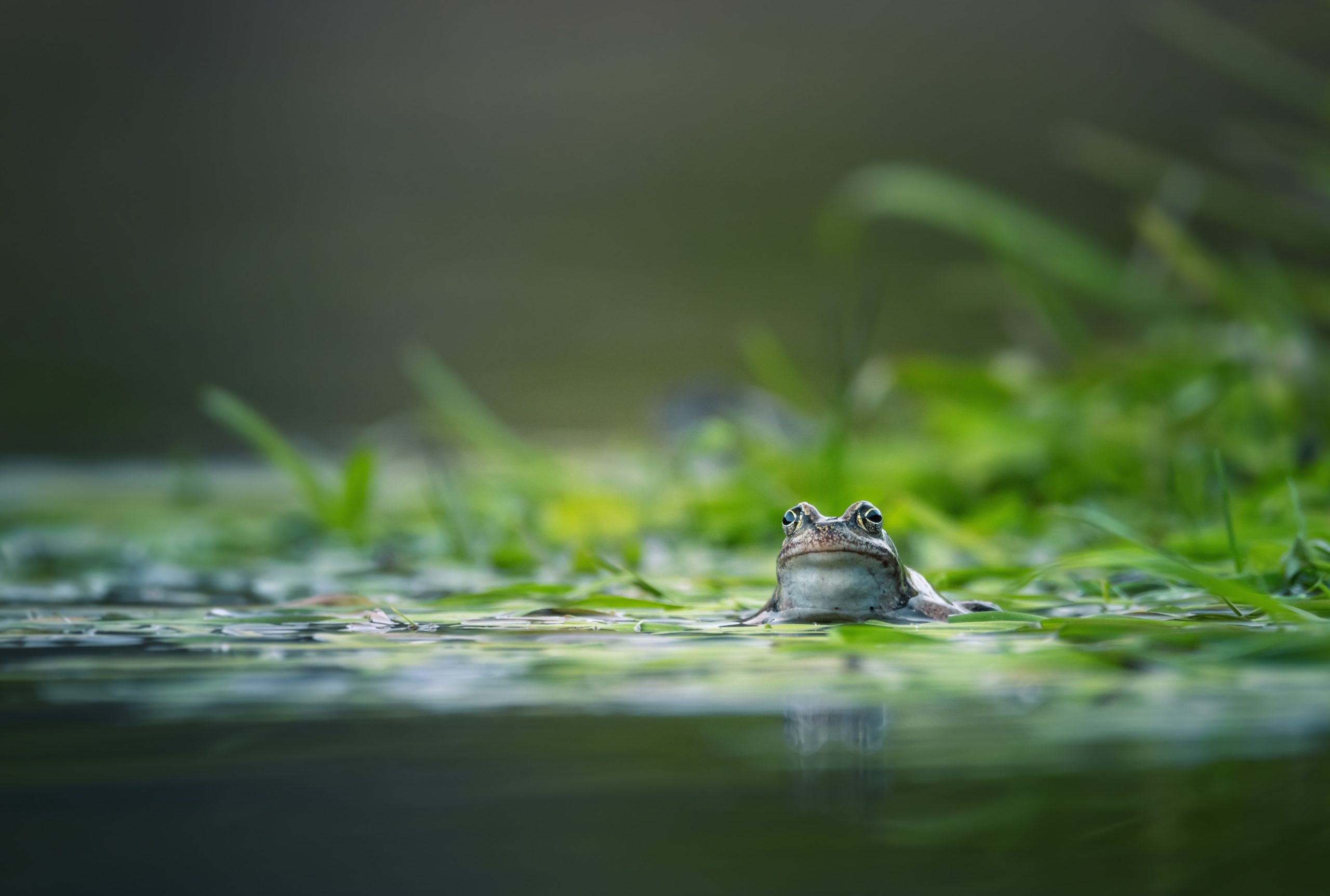
For wildlife, keep a 4 to 6 foot bench around part of the pond that transitions into native grasses and flowers. This filter strip captures nutrients and gives frogs and birds a place to thrive. Mix deeper pockets to prevent winter fish losses with gentle areas that support water lilies or pickerelweed. RLP Diversified, Inc can blend grading from the pond edge into the yard for a natural look and can install shoreline protection where waves or ice push will be stronger.
Smart Placement Ideas and Layouts
Small Lots and Hobby Farms
Place the pond where it is visible from daily living spaces. A kidney-shaped pond along a property edge often fits best while leaving room for gardens or play areas. If you are tight on space, align the long axis with the prevailing wind to help natural circulation. Keep a minimum 25 to 50 foot buffer from property lines and septic systems.
Larger Farms and Acreages
On larger sites, locate the pond where runoff can be captured without crossing driveways or feeding silt straight into the basin. A teardrop shape near a natural swale with a small forebay at the narrow end can simplify maintenance. If irrigation is a goal, plan an access lane for a pump truck and a stable pad near the deep edge.
Wooded or Sloped Sites
On sloped ground, use an embankment pond with a uniform dam and an emergency spillway tied into stable ground. Avoid placing the pond directly in the woods if heavy leaf drop will fuel algae. Instead, keep a partial tree screen for shade and privacy while leaving most of the water surface open to sun and breeze. RLP Diversified, Inc can clear and grub with care, salvage topsoil, and shape the basin so that leaf litter is less likely to gather in one stagnant corner.
Commercial, Parks, and Subdivisions
For public or shared spaces, choose shapes that direct people toward safe viewing areas and away from steep banks. An oval with a broad, gently sloped shelf on the public side and deeper water on the far side is a strong, safe layout. Add a hard-surface path for maintenance and a discrete forebay near inlet structures to capture debris before it reaches the main pond.
Depth, Slopes, and Construction Essentials
Recommended Depths for Wisconsin
Wisconsin winters can create low oxygen under ice. To reduce winterkill and improve water quality, include at least one deep zone.
- Fishing: Average 8 to 12 feet with a deepest point around 12 to 16 feet depending on size.
- Livestock: Mainly 3 to 8 feet with at least one 10 foot pocket.
- View and Wildlife: Mixed depths, plus a shelf for plants and a deep pocket to avoid complete freeze-over.
Bank Angles and Safety
Shape shorelines at 3:1 or 4:1 where people or livestock will access. Steeper slopes, like 2:1, may be acceptable for remote sections with riprap or fabric reinforcement. Compact clay cores and embankments in thin lifts. If soils are sandy, consider a compacted clay liner or a synthetic liner under clean cover.
Shoreline Stabilization
Ice push and wave action can chew up soft banks. Pair native plant buffers with hard protection where needed. Use graded stone over fabric on wind-exposed edges. On calmer sides, use erosion control blankets and deep-rooted native grasses. RLP Diversified, Inc installs shoreline stabilization and can remove failing seawalls and replace them with durable, natural-looking protection.
Inlets, Outlets, and Spillways
Every pond needs a safe overflow path. Install a primary outlet sized to normal flows, plus a vegetated emergency spillway set above normal pool. If runoff is expected, place a small forebay near the inlet that can be cleaned out with an excavator when it fills with silt. For clear groundwater ponds, plan clean stable access that will not disturb the water table or cause bank slumps.
Wisconsin Rules and Good Practices
Wisconsin projects may involve the DNR, county zoning, and local erosion control rules. Placing a pond in or near wetlands requires careful review. Discharge to streams, construction of a dam, or modification of shorelines can trigger permits. RLP Diversified, Inc helps identify what applies to your site, prepares the basin to reduce erosion during construction, and follows best practices like silt fence, stabilized construction entrances, and seeded slopes. Setbacks from wells, septic systems, and property lines protect your investment and reduce neighbor conflicts.
Budget, Timeline, and What Affects Cost
Pond excavation services vary in price based on design and job conditions. Thoughtful planning keeps surprises to a minimum. Factors that impact cost include:
- Size and Depth: Larger volumes mean more time and haul-off.
- Soils: Clay is ideal. Sand or muck can require liners or undercuts.
- Groundwater and Dewatering: High water tables can slow work and need pumps.
- Access: Tight sites or long hauls to a dump site increase cost.
- Rock: Bedrock or boulder fields require heavier equipment and more time.
- Shoreline Protection: Riprap, fabric, and plantings add stability and value.
- Utilities and Aeration: Running conduit or power during construction saves future disruption.
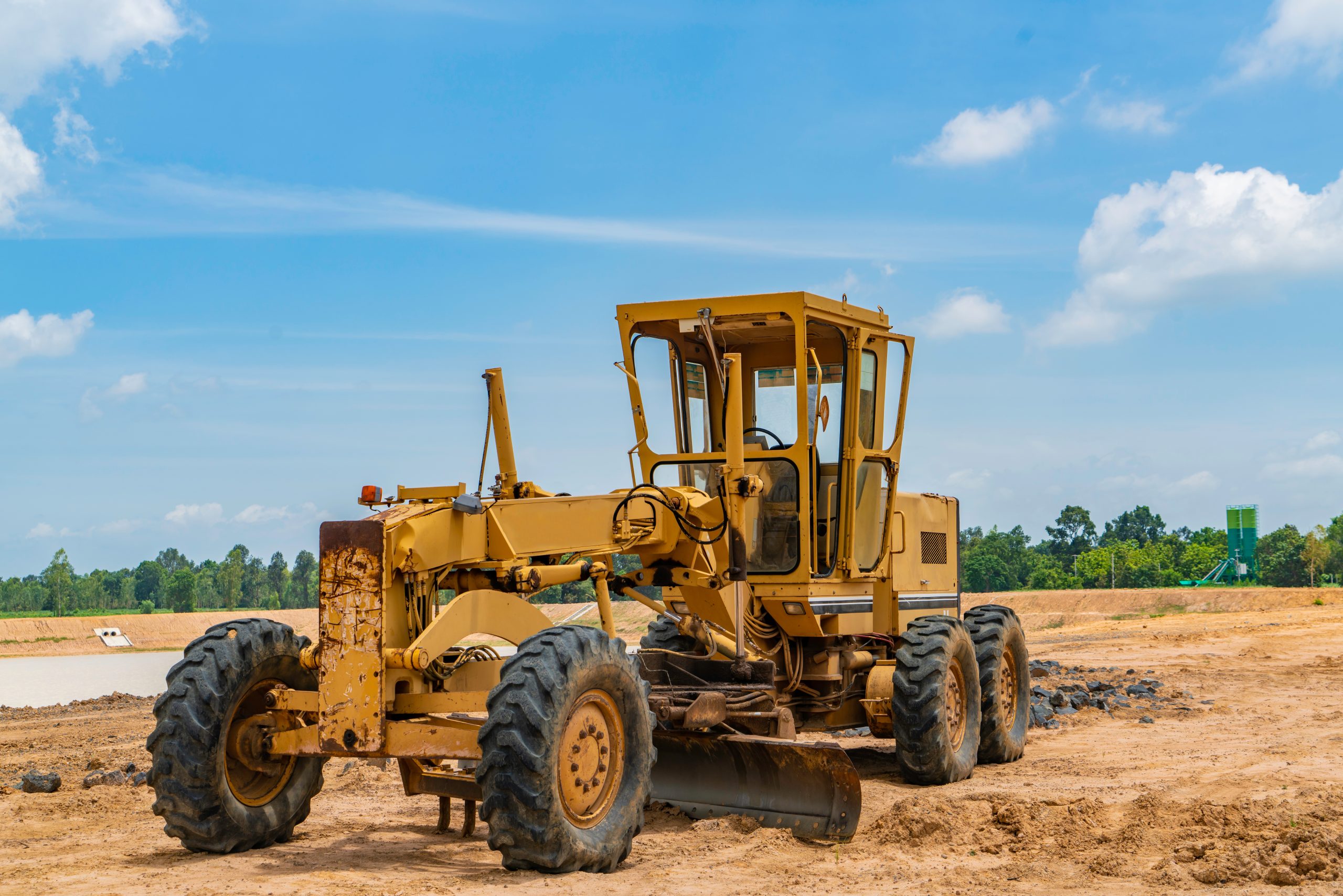
Typical projects can take a few days to several weeks, depending on weather and scope. Building in dry conditions is ideal. RLP Diversified, Inc schedules excavation when soils are firm and coordinates trucking so spoils are handled efficiently. With modern equipment from brands like Caterpillar, Bobcat, and New Holland, the team balances production with precision grading for clean lines and tight compaction.
Maintenance and Upgrades That Pay Off
Even a well-built pond needs simple care. Plan for these items from the start:
- Aeration: Bottom diffusers maintain oxygen, reduce odors, and limit algae blooms.
- Vegetation Management: A native buffer 10 to 25 feet wide filters nutrients and reduces geese pressure.
- Forebay Cleanout: Removing sediment at the inlet is faster and cheaper than dredging the whole pond.
- Shoreline Touch-ups: After the first freeze-thaw cycle, inspect and repair any slumps or exposed fabric.
- Docks and Access: Add a small dock or stone pad where people gather. Keep equipment access clear for future needs.
RLP Diversified, Inc offers pond maintenance, dredging, and shoreline stabilization services. If your existing pond is shallow, we can perform selective deepening, reshape shelves, and rebuild a stronger bank. If you have a failing seawall, we remove it and install a stable, natural edge that looks great and lasts.
Why Choose RLP Diversified, Inc
RLP Diversified, Inc has served Wisconsin since 2000 and is based in Burlington. After expanding through Andy’s Excavating in 2013, the company became a one-stop resource for grading and earthmoving. That experience matters when you want pond excavation services that balance cost, speed, and long-term performance. The team handles tight residential backyards and large rural builds with equal care.
- Aggregate and Trucking: Delivery of topsoil, fill dirt, sand, stone, gravel, and limestone for your project.
- Grading and Earthmoving: Road grading, rough and finish grading, stripping topsoil, backfilling, spreading, and lawn seeding.
- Pond Excavating: New ponds, maintenance dredging, and shoreline protection tailored to Wisconsin conditions.
- Excavating: Commercial and residential earthwork, foundations, parking lots, shorelines, and irrigation ponds.
- Demolition: Concrete and building demolition, site cleanup, and concrete recycling.
With a versatile fleet from Caterpillar, Bobcat, and New Holland, RLP Diversified, Inc delivers consistent results. Crews follow clear communication and jobsite safety protocols, so you always know what is happening and what comes next.
Pond Planning Checklist
- Define Your Goal: Fishing, livestock, views, or a mix.
- Pick the Location: Consider slopes, sun, wind, and access.
- Assess Soils: Test for clay content and groundwater.
- Choose a Shape: Match the outline to your use and maintenance plan.
- Set Depth Targets: Include a deep pocket for winter protection.
- Plan Inlets and Outlets: Add a forebay and an emergency spillway.
- Stabilize Shorelines: Design plant buffers and hard protection where needed.
- Add Utilities: Aeration power or lighting during construction.
- Review Rules: Check DNR, county, and local requirements.
- Get a Detailed Quote: Include excavation, trucking, stabilization, and seeding.
Service Area in Wisconsin
RLP Diversified, Inc serves homeowners, farms, and businesses across Wisconsin, including Milwaukee, Waukesha, Madison, Racine, Mequon, Kenosha, and Green Bay. If you are outside these cities, ask about scheduling and trucking options. The team travels statewide for the right projects and will provide clear timelines and pricing based on your location.
Get Expert Design, Precise Digging, and a Free Quote
Ready to turn your idea into a pond that works year after year. RLP Diversified, Inc offers start to finish pond excavation services, from concept and permitting coordination to final grading and stabilization. Whether you want a fish-friendly kidney shape, a livestock-safe linear layout with a single ramp, or a view-first crescent with an island, we help you design a shape and location that fit your land, your budget, and Wisconsin weather. Share your goals, site photos, and a rough sketch. We will walk your property, discuss soil and water considerations, and provide a clear proposal. Get expert planning and a free quote today so your pond is ready for the seasons ahead.
If you also need aggregate, driveway work, or demolition to prep the site, RLP Diversified, Inc can handle those tasks in one coordinated schedule. One team, one plan, better results. Contact us to start your pond project and discover how the right shape and placement deliver clean water, healthy habitat, and quiet views for years to come.

Leave A Comment