Quick Answer and What To Do First
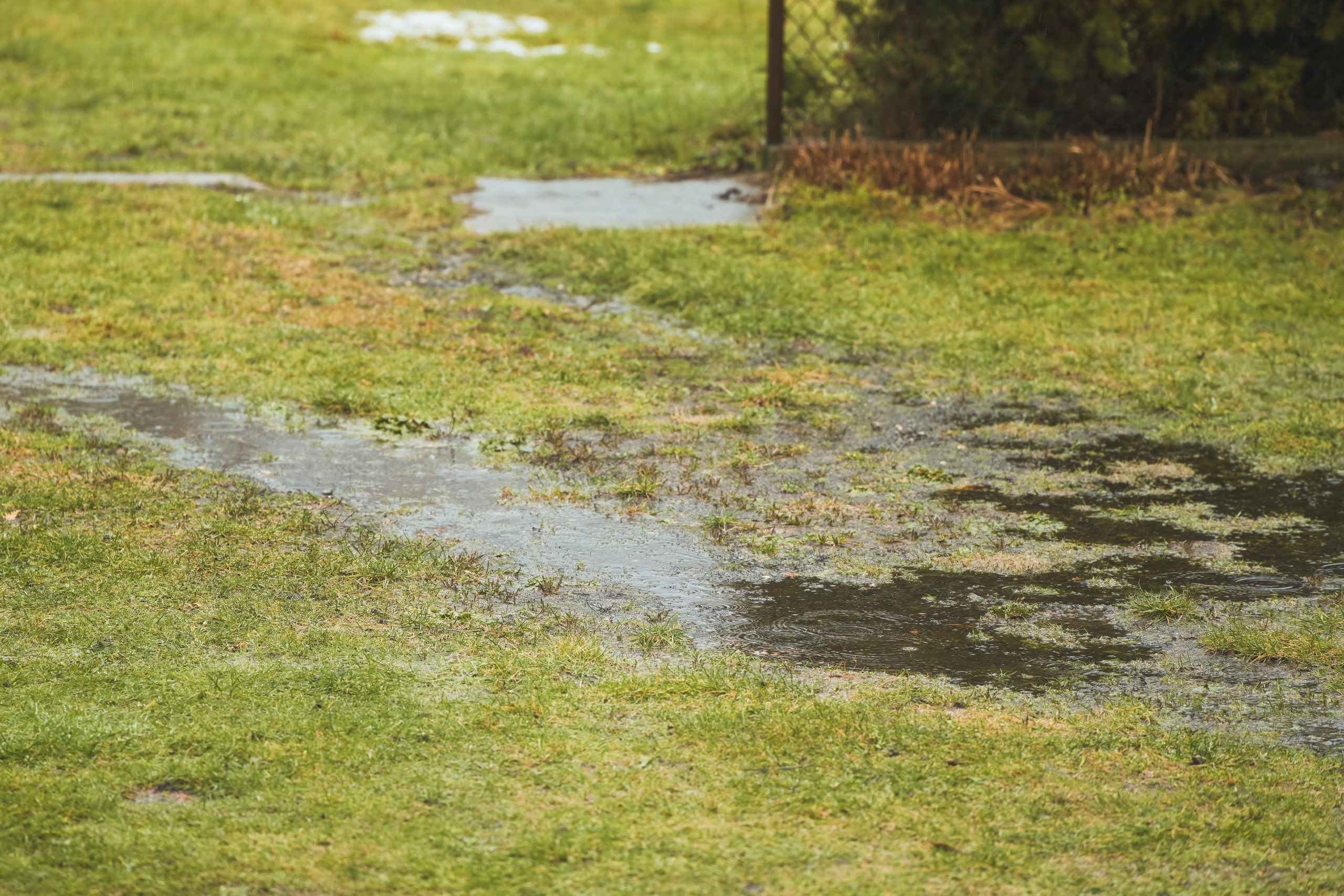
If water is pouring from your neighbor’s yard into yours, the most common cause is poor grading. You may also be dealing with misrouted downspouts, compacted soil, or drainage features that send water your way. The fastest way to protect your property is to evaluate your slope, move water away from your foundation, and plan permanent grading and excavation work. RLP Diversified, Inc can assess your site, correct grades, and install reliable drainage so your yard and home stay dry.
Why Water Flows From a Neighbor’s Property
Water will always follow gravity to the lowest point. On residential lots, an inch or two of difference in elevation can decide whether stormwater stays on your neighbor’s property or crosses into yours. Modern homes also shed more water because of hard surfaces like roofs, driveways, patios, and compacted soils. If your neighbor’s lot sits higher or drains toward your side, you may see ponding, muddy areas, or basement seepage after every storm or snowmelt.
Small Slope Changes Can Create Big Problems
You only need a small slope to move water. Landscape pros often design a 2 percent slope away from a home. That is about a quarter inch per foot. If your lawn has settled toward your foundation or if a neighbor’s new patio pushes runoff toward your lot, that small change can push a surprising volume of water into your yard and even your basement.
Common Triggers That Send Water Your Way
- Downspouts or sump pump lines discharging toward your fence line
- New hardscapes such as driveways, patios, or sheds that lack drains
- Yard settling near foundations that reverses the intended slope
- Clogged culverts, crushed pipes, or neglected swales
- Compacted soil that stops rainfall from soaking in
- Filled-in ditches or berms that used to slow water
- Snow piles melting toward your side of the property
Signs You Have a Grading and Excavation Problem
Some warning signs are obvious, while others build up over time. Keep track of patterns after rain or thaw, and do a simple walkthrough with your camera.
- Water pooling for more than 24 to 48 hours after normal rain
- Soft spots, erosion ruts, or mulch that washes away
- Mildew odors, peeling paint, or efflorescence on foundation walls
- Basement seepage where the floor meets the wall
- Sediment lines showing how high the water rose
- Grass dying in saturated zones or moss growth near the house
- Standing water that attracts mosquitoes
Proven Fixes: Grading and Excavation Solutions That Work
Lasting results come from reshaping how water moves across your property. That is where professional grading and excavation deliver the best return. RLP Diversified, Inc has handled residential and commercial drainage across Wisconsin for decades, using well-planned earthwork and practical drainage systems that stand up to our weather.
Regrading Yards to Restore Positive Slope
Regrading sets the foundation for every other drainage feature. Crews strip sod as needed, recontour soil to create a consistent slope away from your home, then replace topsoil and seed. A typical target is at least 6 inches of drop in the first 10 feet from your foundation. RLP Diversified, Inc uses the right mix of cut and fill so you do not end up with steep edges or new trouble spots along your lot line.
Shallow Swales and Berms to Guide Runoff
A grassy swale is a shallow, broad channel that carries water gently to a safe outlet like a storm inlet or a rear ditch. A berm is a low ridge that blocks and redirects water. Combined, they can stop sheet flow from your neighbor’s yard without making your property look like a drainage ditch. Proper grading and excavation ensure swales have the right depth and slope to move water without erosion.
French Drains, Catch Basins, and Dry Wells
When the ground is low or soils are heavy clay, subsurface drains add reliability. A French drain is a perforated pipe wrapped in fabric and gravel that collects and conveys water to an outlet. Catch basins collect surface water through grates, then send it through pipe. A dry well can temporarily store water and let it soak into the ground. RLP Diversified, Inc designs these features with correct pipe sizes, outlet locations, and cleanouts so they keep performing year after year.
Redirecting Downspouts and Sump Pump Discharge
Downspouts and sump pumps should discharge far from the foundation and never at a property line. Extensions, buried solid pipe, or pop-up emitters can route water to a safe area that will not impact your neighbor. When combined with modest regrading, this simple step can stop most backyard floods.
Driveway and Hardscape Drainage
Driveways and patios can push water in the wrong direction if they do not have enough pitch. Trench drains at garage doors, channel drains along patios, and regrading asphalt or gravel can keep runoff from rushing into low spots. RLP Diversified, Inc can mill and regrade gravel or add base stone to set correct slopes and cap with an appropriate surface.
Pond Excavating, Shoreline Protection, and Erosion Control
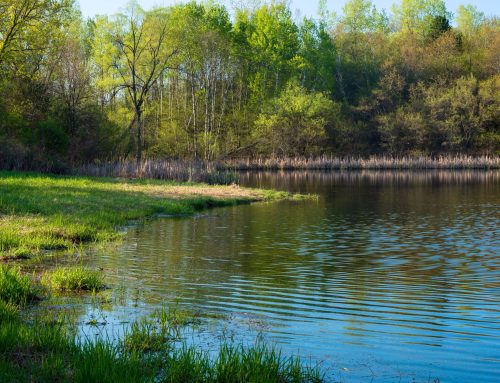
On large lots and rural properties, ponds and shorelines are part of the drainage system. RLP Diversified, Inc provides pond excavating and shoreline stabilization, including the removal of old seawalls and the installation of erosion control that protects banks. If overflow from a pond is reaching your property, a controlled spillway or culvert may be the answer.
Soil Improvement for Better Infiltration
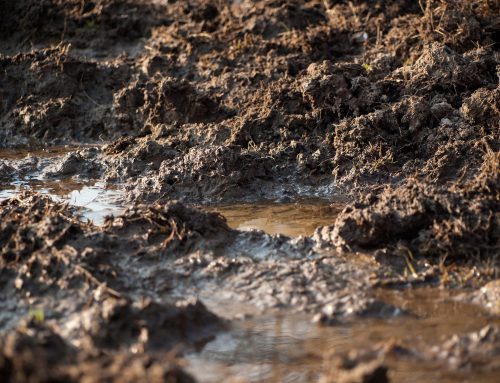
Compacted soils act like pavement. Scarifying compacted areas, blending in topsoil, and adding organic matter can improve infiltration so more water is absorbed where it falls. Pairing this with grading and excavation helps stop surface flow before it becomes a neighbor-to-neighbor problem.
What To Do Right Now if Water Is Entering Your Yard
- Document each event. Take photos and short videos during and after storms, showing where water starts and where it ends up.
- Check your own property first. Confirm downspouts, sump lines, and slopes are not sending water toward the issue.
- Try short-term mitigation. Sandbags or temporary berms can protect vulnerable spots while you plan a permanent fix.
- Talk to your neighbor. Share observations and ask about recent changes. Often you can agree on a solution that helps both lots.
- Call a grading and excavation professional. A site visit from RLP Diversified, Inc can map flow paths and propose fixes that last.
Legal and Neighbor Relations in Wisconsin
Most drainage disputes are solved with practical site work, but it helps to know the general principles that apply in Wisconsin.
Surface Water and Reasonable Use
Wisconsin follows a version of the reasonable use rule for surface water. Property owners can make reasonable changes to improve their land, but they should not unreasonably increase the flow of water onto a neighbor’s property or create unnecessary harm. Redirecting roof water directly onto a neighbor or filling a swale that used to protect the next lot can create liability questions. Each site is unique, which is why documenting conditions and pursuing fair, permanent solutions is best.
Permits, Easements, and Utility Locates
Some drainage work needs permits, especially if it connects to public storm sewers, alters ditches, or impacts wetlands. Easements can also limit what you can build or fill. Always call for utility locates before any digging. RLP Diversified, Inc handles permitting guidance and safe excavation practices as part of our service.
How To Talk With Your Neighbor
Stay factual. Share dated photos and explain impacts like flooded lawns or seepage. Offer to bring in a grading and excavation contractor for an unbiased assessment that suggests solutions for both sides. Many fixes are lower cost when neighbors coordinate work, such as shared swales, new topsoil and seeding, or connected drains that lead to a safe discharge.
When To Involve the City or an Attorney
If you cannot agree on a plan and the problem continues, contact your municipal engineering or stormwater department. They can clarify rules, existing drainage easements, or maintenance responsibilities for ditches and culverts. If damage is significant, consult an attorney. Your documentation and any contractor assessments will help explain the situation.
Why Homeowners Choose RLP Diversified, Inc
Experienced Grading and Excavation Pros
RLP Diversified, Inc was founded in 2000 in Burlington, Wisconsin, with a focus on excavating and grading. In 2013 the company strengthened its team by integrating Andy’s Excavating. Today RLP Diversified, Inc is a full-service contractor known for reliable grading and excavation, earthmoving, and drainage solutions backed by quality equipment from Caterpillar, Bobcat, and New Holland.
Comprehensive Services Under One Roof
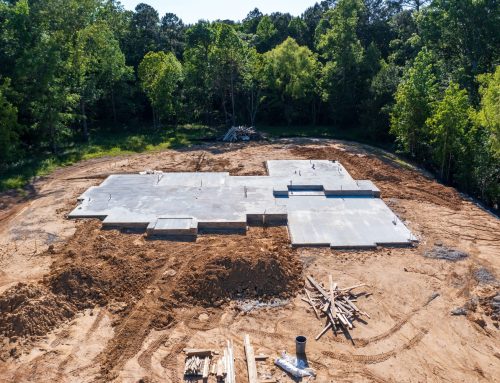
Whether your fix needs a simple regrade, a French drain, or a coordinated project with demolition and rebuild, RLP Diversified, Inc can handle it. The team provides aggregate and trucking for topsoil, fill dirt, sand, gravel, stone, and limestone. They deliver grading and earthmoving for rough and finish grades, strip topsoil, backfill basements, spread topsoil, and seed lawns. They also offer pond excavating, shoreline protection, and complete excavating for foundations, parking lots, shorelines, and irrigation ponds. When demolition is required, RLP Diversified, Inc manages concrete removal, site cleanup, and recycling.
Serving Homeowners Across Wisconsin
From Milwaukee and Waukesha to Madison, Racine, Kenosha, Mequon, and Green Bay, RLP Diversified, Inc serves communities across the state. The team understands Wisconsin soils, freeze-thaw cycles, lake-effect storms, and local regulations. That local knowledge helps you get a solution that fits your site, lasts through severe weather, and respects municipal rules.
A Clear, Reliable Process
- Site evaluation. Walk the property to observe grades, structures, and existing drainage features. Document flow paths after storms.
- Plan and estimate. Propose grading and excavation options, drainage components, and aggregate needs. Review permits and easements if needed.
- Execution. Mobilize with the right equipment, shape the land with precision, install drains and structures, and manage erosion control.
- Finish. Replace topsoil, seed, and stabilize. Provide maintenance tips for long-term performance.
Cost and Timeline Factors
Costs depend on access, soil type, slope changes, drainage components, and haul distances for aggregate. A straightforward regrade around a home is typically completed in days, while projects that include multiple drains, hardscape changes, or permitting can take longer. RLP Diversified, Inc provides clear estimates and schedules so you know what to expect.
Quality, Safety, and Clean Job Sites
Safe excavation, accurate grades, and clean job sites protect your property and budget. RLP Diversified, Inc uses well-maintained equipment and skilled operators to get your slopes right the first time. Crews protect nearby structures, utilities, and landscaping while they work, then leave your site tidy and stable.
Frequently Asked Questions
Can I just add topsoil near my foundation to fix the slope?
Adding topsoil can help, but it is a short-term fix if compaction, hardscapes, or off-site flow keep pushing water your way. A proper grading and excavation plan sets a consistent slope and includes drainage features as needed.
Will a French drain solve everything?
French drains are great in certain areas but they work best as part of a broader plan. If the surface grade is wrong, a drain may clog faster or struggle in heavy storms. Most successful projects pair correct surface slopes with targeted subsurface drains.
Is it legal for my neighbor to point a downspout at my yard?
Local codes often prohibit discharging roof runoff across lot lines. Even if not explicitly banned, it may be considered unreasonable if it causes harm. Document the issue and work toward a fix. If needed, check with your city or town.
Do I need a permit for yard regrading?
Simple regrading usually does not require a permit, but connecting to storm sewers, altering ditches, or work near wetlands may. RLP Diversified, Inc can advise you on permits and help coordinate approvals.
When is the best time of year to regrade?
Grading is ideal during dry periods when soils are workable. In Wisconsin that often means late spring through fall. Planning early ensures you are ready before the next big storm season.
How do I keep water from coming back after the fix?
Maintain gutters and downspouts, keep drains clear, avoid piling snow against the house, and do not change the landscape in ways that block swales. If you add patios or sheds later, plan for drainage during the design.
Protect Your Property With Expert Grading and Excavation
If runoff from your neighbor’s yard is flooding yours, you do not have to live with it. A smart combination of grading and excavation, swales, drains, and soil improvements can move water where it belongs and keep your home dry. RLP Diversified, Inc has been solving drainage problems across Wisconsin since 2000, with the equipment, materials, and experience to do it right. Contact RLP Diversified, Inc to schedule a site evaluation and get a clear plan to stop water at the source. Your yard, foundation, and peace of mind are worth it.





Leave A Comment