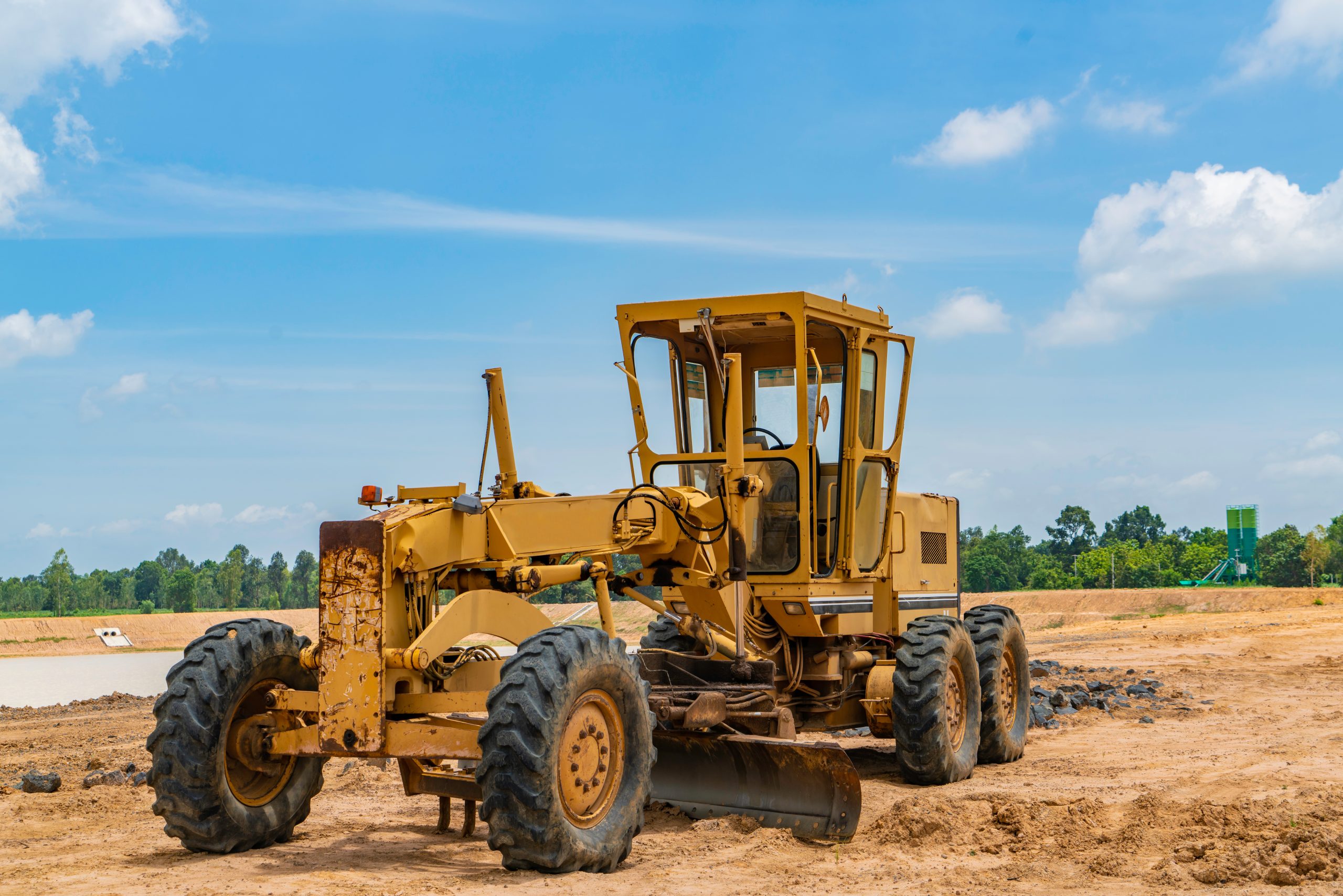
Why grading before building matters
Grading before building is essential for proper drainage, structural stability, and meeting permit requirements. If you plan to build a house or garage, the right site grading protects your foundation, keeps water moving away from your structure, and helps you pass inspections. In this guide, you will learn when grading is required, what it costs, how long it takes, and the steps involved so you can start your project with confidence.
At RLP Diversified, Inc, we help homeowners and builders across Wisconsin complete grading and excavating the right way, from the first site evaluation through final seeding. Our team has decades of experience shaping lots for new homes, garages, driveways, and additions. When grading is done properly at the start, you save money and avoid headaches later.
What is site grading and why it is done before construction
Site grading is the process of shaping the land to the elevations shown on a plan so water drains away from structures and the ground supports the building. Grading before building creates a stable, well-drained platform for foundations, slabs, driveways, and utilities.
- Drainage and erosion control: Proper slopes move stormwater away from the foundation and reduce the risk of flooding, leaks, ice buildup, and soil erosion.
- Foundation stability: Grading and compaction produce a uniform base that reduces settlement and cracks in slabs and walls.
- Code compliance: Many municipalities require a grading plan and erosion control measures before issuing building permits.
- Smooth construction: Good access for equipment, stockpiles, and material deliveries helps the project run on schedule.
Do I need grading before building a house or garage
When grading is required
Most new home and garage projects need grading before the first concrete is poured. Municipal building departments often require a site plan that shows finished grades, drainage paths, and erosion control details. In Wisconsin, disturbing soil for a new residence, a detached garage, or a major addition will typically trigger these requirements. Projects that disturb one acre or more can also require state erosion control oversight.
You will likely need grading before building in the following situations:
- New home construction on any lot
- Detached or attached garage additions
- Driveway relocations or significant expansions
- Basement construction that involves excavation and backfill
- Lots with low spots, steep slopes, or known drainage issues
- Any project where finished floor height or door thresholds must meet code
Signs your lot needs grading help
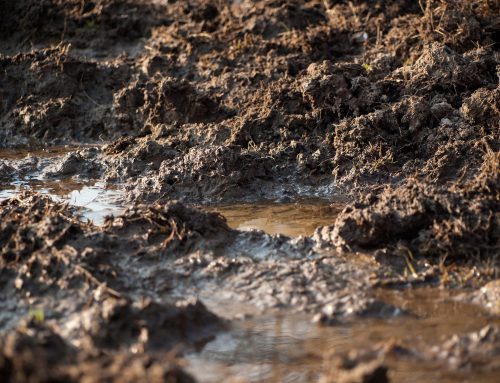
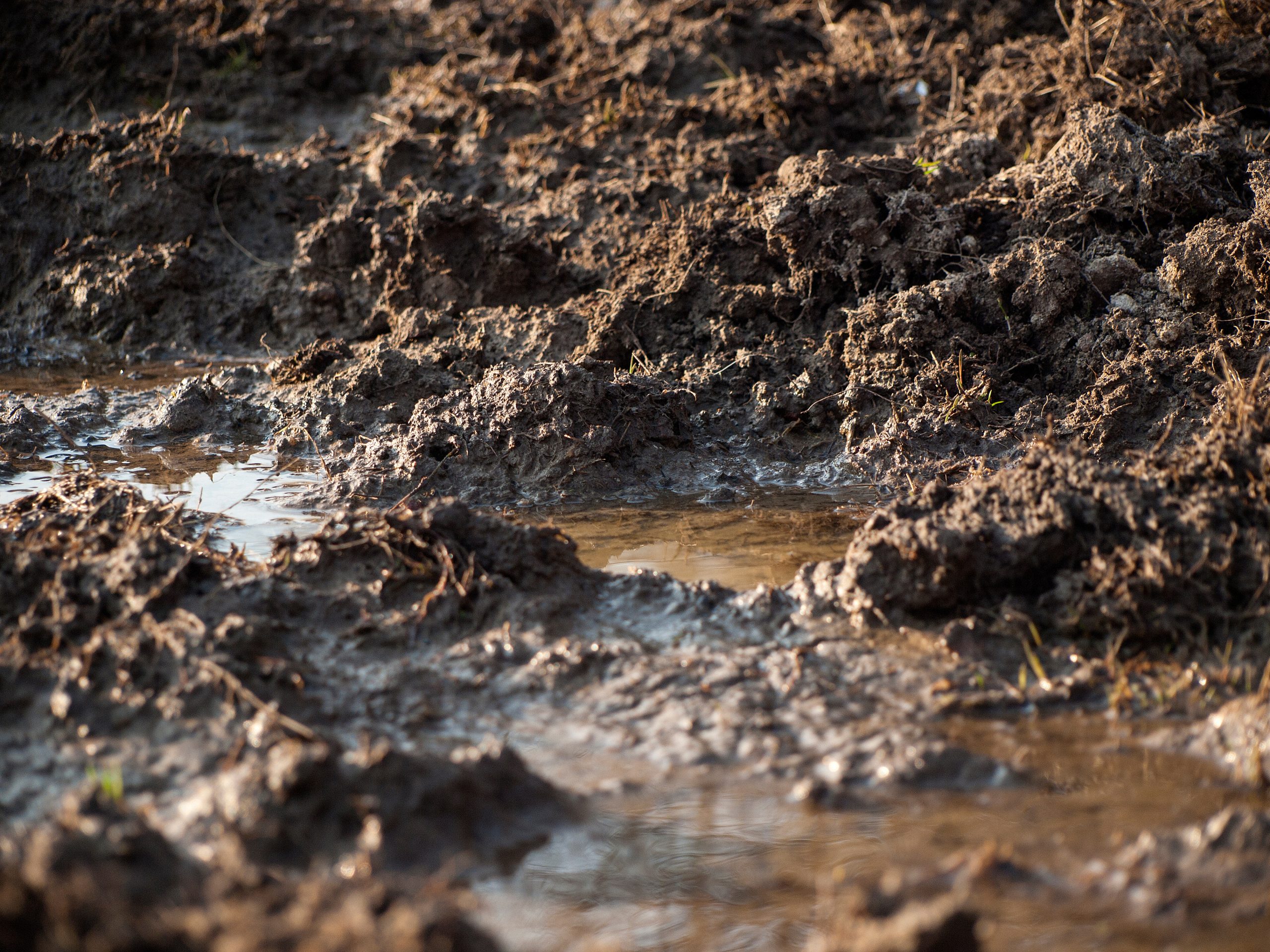
- Standing water after rain or snowmelt
- Soft or spongy soil near the build area
- Soil washing out or creating ruts
- Visible slope toward the house or future garage location
- Neighbors’ runoff flowing across your property
- Basement seepage or dampness in existing structures
House vs. garage grading considerations
Houses and garages share many grading needs, but there are important differences to plan for before building.
- Houses with basements: Excavation, footings, and backfill require careful compaction, foundation drains, and final grades sloped away from walls. A typical recommendation is a 6 inch drop over the first 10 feet around the home perimeter where possible.
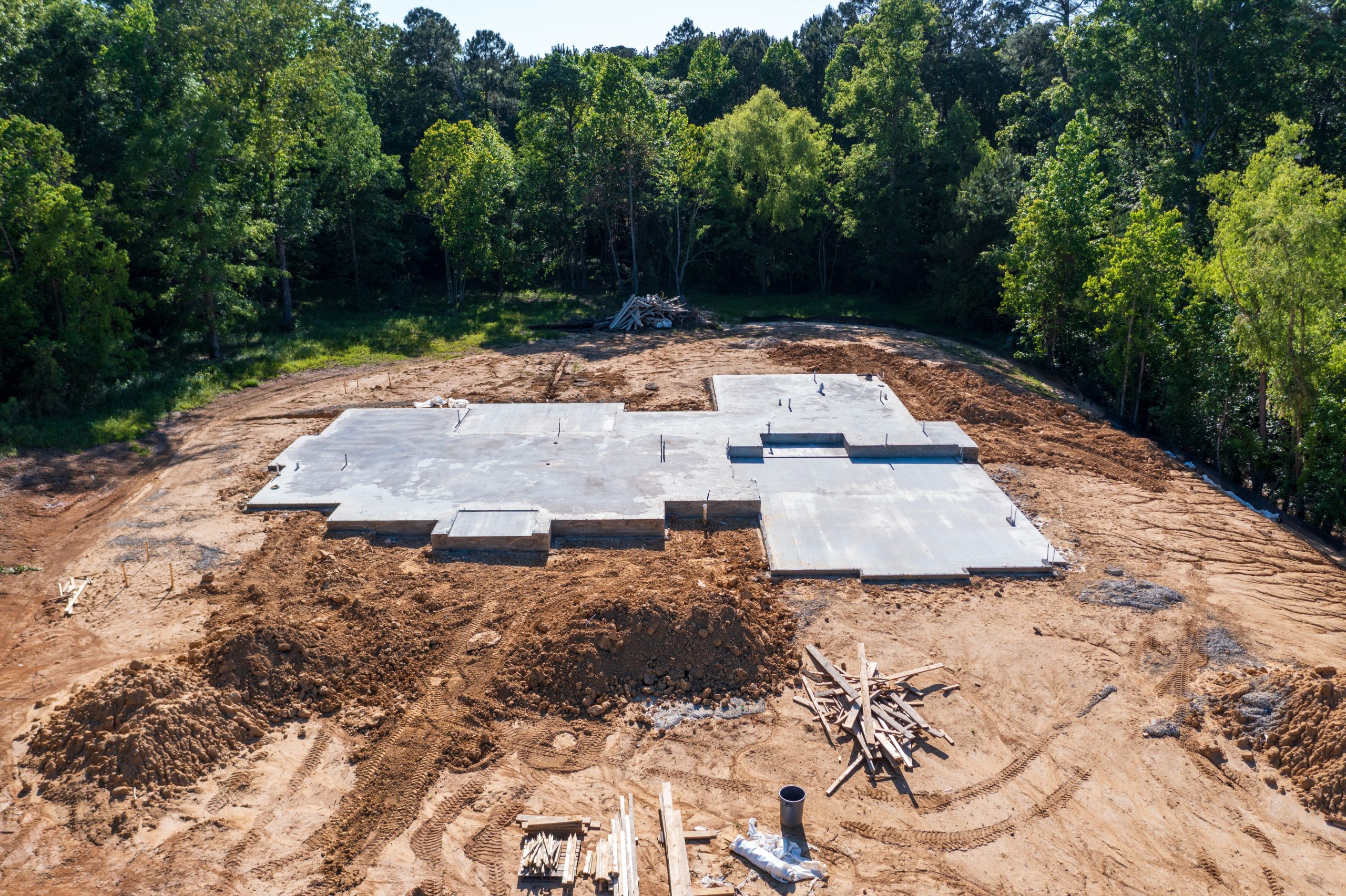
- Slab-on-grade homes: The pad must be built with compacted fill and a slight crown so water moves away from the slab. Proper subbase and moisture control reduce slab cracks.
- Detached garages: Keep the garage slab elevation above surrounding grades, and ensure the apron and driveway shed water away from the door. A gentle slope of 1 to 2 percent is common for the floor or apron.
- Driveways and approaches: Plan tie-in elevations so water does not pond at the garage door or flow toward the house. Consider culverts or swales as needed.
The grading process before building
1. Site evaluation and planning
RLP Diversified, Inc starts with a site review, looking at existing grades, soil conditions, and drainage patterns. We recommend gathering a survey, a preliminary building plan, and any subdivision grading rules. A thoughtful plan avoids change orders later.
- Survey review: Property lines, easements, and benchmark elevations
- Soil and drainage check: Clay, sand, or mixed soils behave differently and affect compaction and water movement
- Utility locate: Mark underground gas, electric, water, cable, and sewer before digging
- Erosion control plan: Silt fence, tracking pads, and stabilization methods to comply with local rules
2. Rough grading and earthmoving
Rough grading shapes the lot to general design elevations. This step sets the stage for foundation excavation and future work.
- Strip topsoil and stockpile it for reuse
- Cut high areas and fill low areas to achieve the planned slope
- Compact fill in lifts to reach required density
- Construct drainage swales or ditches where needed
- Install culverts and driveway base if included
RLP Diversified, Inc uses quality equipment from Caterpillar, Bobcat, and New Holland to move earth efficiently and accurately. Our operators are trained to achieve the right slopes while protecting the surrounding property.
3. Foundation excavation and backfill
For houses with basements or deep footings, we excavate to plan depth, set the base, and coordinate with your foundation contractor. After walls are in place and waterproofed, we backfill with suitable material and compact carefully to limit settlement.
4. Finish grading and stabilization
Finish grading refines the surface to final elevations required for drainage and landscaping. We spread stockpiled topsoil, shape lawn areas, and prepare seed or sod. Early stabilization also protects your site from erosion and helps with compliance during inspections.
5. Drainage details that matter
- Minimum slope away from the foundation: Target about 5 percent for the first 10 feet, or 6 inches of drop where the property allows
- Swales to collect and route water to safe discharge points
- Downspout extensions to move roof water past backfill zones
- Driveway and garage aprons graded to prevent ponding at doors
- French drains or drain tile where soils are slow to drain
Permits, plans, and inspections in Wisconsin
Most Wisconsin municipalities require a grading plan for new homes and many garage projects. Plans often include proposed elevations, drainage paths, erosion control, and driveway details. If your project disturbs one acre or more of soil, additional erosion control compliance may apply at the state level. Local requirements vary, so early coordination saves time.
- Site grading plan: Proposed contours, finished floor elevations, and stormwater direction
- Erosion control: Silt fence, tracking pad, inlet protection, and stabilization schedule
- Driveway or right-of-way permit: Required in many towns and counties when connecting to public roads
- Final inspection: Verifies grades match the approved plan and that erosion control is in place
RLP Diversified, Inc works with homeowners, builders, and local inspectors to align the grading plan with code and practical site needs. Our experience in Milwaukee, Waukesha, Madison, Racine, Mequon, Kenosha, Green Bay, and communities statewide helps keep your project on track.
How much does grading before building cost
Costs vary based on lot size, elevation changes, soil type, access, and scope. On many residential lots, grading before building can range from a few thousand dollars to more for complex sites that need large cuts and fills or engineered drainage features.
- Lot size and slope: Steeper lots and long driveways add time and material
- Import or export of soil: Hauling in fill or hauling out surplus dirt impacts cost
- Soil type: Wet clays may need extra time, stabilization, or undercutting
- Drainage structures: Swales, culverts, and French drains add materials and labor
- Erosion control: Silt fence, tracking pads, and restoration are required by most permits
- Access and trees: Clearing and tight access can slow production
Ways to control grading costs include starting with a clear plan, marking the build area, removing obstacles early, and choosing a contractor who can self-perform trucking and aggregate supply. RLP Diversified, Inc can deliver topsoil, sand, gravel, and limestone directly to your site, often at better value, because we handle both trucking and grading in-house.
How long does grading take
Timeline depends on permits, weather, and scope. Typical residential grading for a house or garage includes the following stages.
- Planning and permits: 1 to 3 weeks, depending on local review times
- Scheduling: 1 to 2 weeks based on contractor availability and weather
- Rough grading and excavation: 1 to 3 days for many lots
- Foundation work and backfill: As scheduled with your builder
- Finish grading and stabilization: 1 to 2 days after heavy work is complete
Snow, heavy rain, and freeze-thaw cycles can affect schedules in Wisconsin. RLP Diversified, Inc monitors conditions closely and adjusts plans to protect your site and keep progress moving.
Mistakes to avoid when grading before building
- Skipping a grading plan and hoping to fix water later
- Setting finished floor too low relative to surrounding land
- Ignoring downspout discharge and roof runoff patterns
- Overcompacting topsoil or failing to compact structural fill
- Leaving steep slopes unprotected during rain events
- Assuming a flat lot does not need drainage planning
Why choose RLP Diversified, Inc for grading and excavating
RLP Diversified, Inc has served Wisconsin since 2000 with a focus on quality grading and excavating. In 2013, we expanded our capabilities by integrating Andy’s Excavating, which strengthened our team and equipment lineup. Today, we deliver full-service site work for residential and commercial projects, including houses, garages, driveways, ponds, and demolition.
- Aggregate and trucking: Delivery of topsoil, fill dirt, sand, stone, gravel, and limestone
- Grading and earthmoving: Road grading, rough and finish grading, stripping topsoil, backfilling basements, spreading topsoil, and seeding lawns
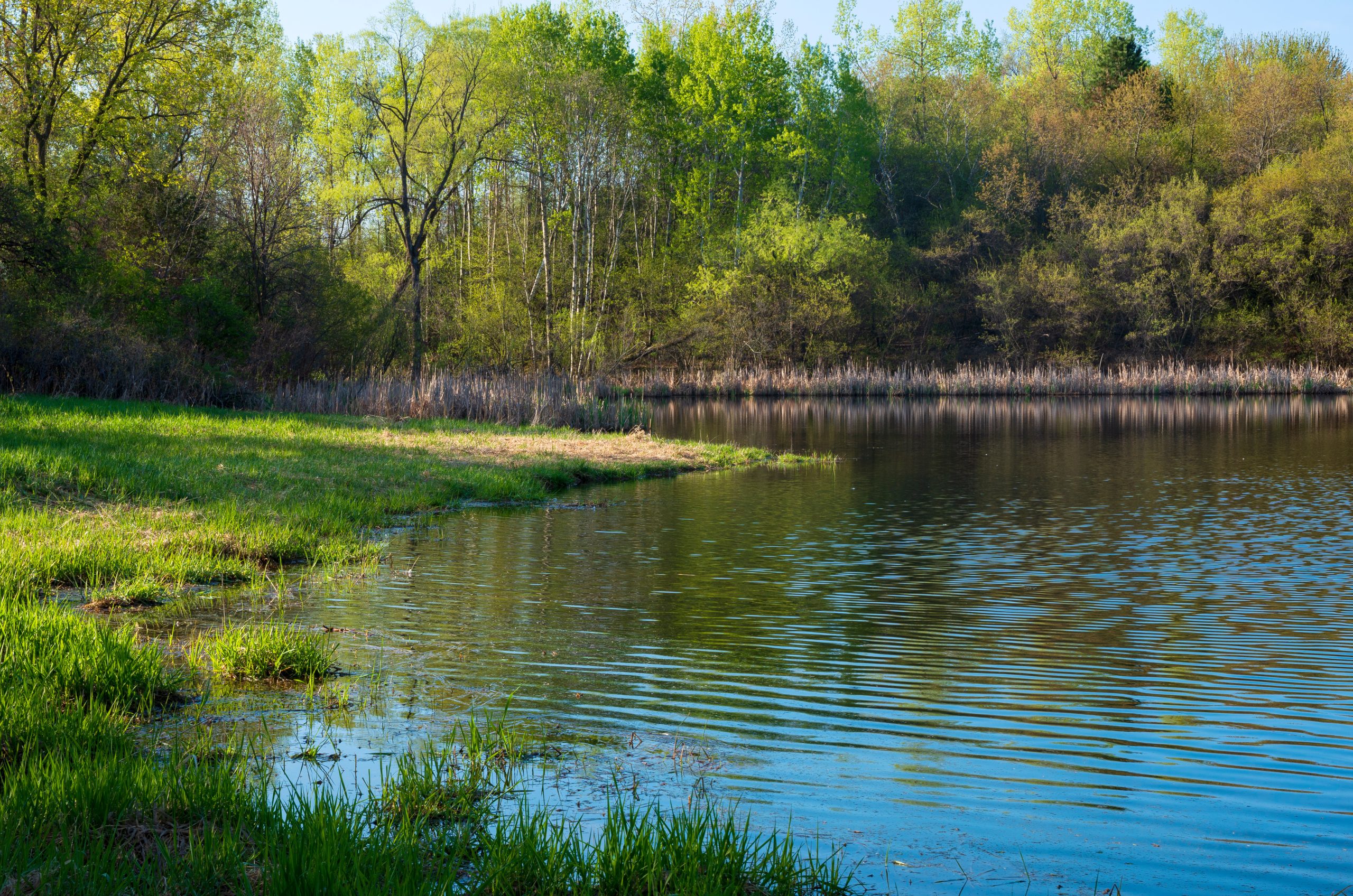
- Pond excavating: Pond construction and shoreline protection, including seawall removal and stabilization
- Excavating: Dredging, scraping, and site cuts for foundations, parking lots, shorelines, and irrigation ponds
- Demolition: Building and concrete demolition with site cleanup and recycling
We use trusted equipment brands like Caterpillar, Bobcat, and New Holland to deliver precise results. Our crews work across Wisconsin, including Milwaukee, Waukesha, Madison, Racine, Mequon, Kenosha, and Green Bay. When you work with RLP Diversified, Inc, you get a partner who handles grading before building as part of a complete site solution.
Frequently asked questions about grading before building
Can I build without grading
It is risky. Without a controlled slope, water can collect around foundations and slabs, leading to leaks, frost heave, and settlement. Most building departments require grading plans for new homes and many garages. Proper grading first is the safer and usually required approach.
What if my lot already looks flat
A flat lot can still trap water. A small but consistent slope away from the structure is necessary to protect your foundation. Finish grades also need to match neighboring properties and street elevations to avoid creating drainage problems.
What if I already poured a slab
You can still improve drainage with aprons, swales, and surface adjustments, but options are more limited. Contact RLP Diversified, Inc for an assessment so we can design practical improvements that protect your investment.
Do I need a survey for grading
A survey is strongly recommended for new construction and most garage projects. Survey control points help set accurate elevations, protect property lines, and speed inspections.
Can grading be done in winter
It depends on frost depth and weather. Some tasks can proceed, but compaction and stabilization are harder in freezing conditions. We often handle planning, permits, and material scheduling in winter, then complete earthwork as soon as weather allows.
Will grading harm my trees
It does not have to. We can work with tree protection zones and limit grade changes around root systems. Early planning helps preserve healthy trees while still achieving good drainage.
Simple homeowner checklist for grading before building
- Get a current survey and your proposed building plan
- Schedule a site review to discuss drainage and elevations
- Confirm local grading, driveway, and erosion control requirements
- Approve a grading plan that sets finished floor height and slopes
- Plan for aggregate deliveries and access routes
- Install erosion control before earthwork begins
- Perform rough grading, excavation, and backfill with compaction
- Complete finish grading, topsoil, and stabilization with seed or sod
- Verify final grades and pass inspections
Partner with RLP Diversified, Inc for your house or garage project
If you are planning a new home, a detached garage, or a major addition, grading before building protects your structure and helps you pass inspections the first time. RLP Diversified, Inc brings together grading, excavating, aggregate delivery, and erosion control, so your project moves smoothly from plan to pad to final lawn. We serve all of Wisconsin, including Milwaukee, Waukesha, Madison, Racine, Mequon, Kenosha, and Green Bay, and we are ready to review your site and provide a clear, competitive quote.
Contact RLP Diversified, Inc to schedule a site evaluation. We will confirm what grading your project needs, outline the costs and timeline, and deliver a build-ready site that drains well and stands the test of time. With the right grading before building, you set up your house or garage for long-term success.



Leave A Comment