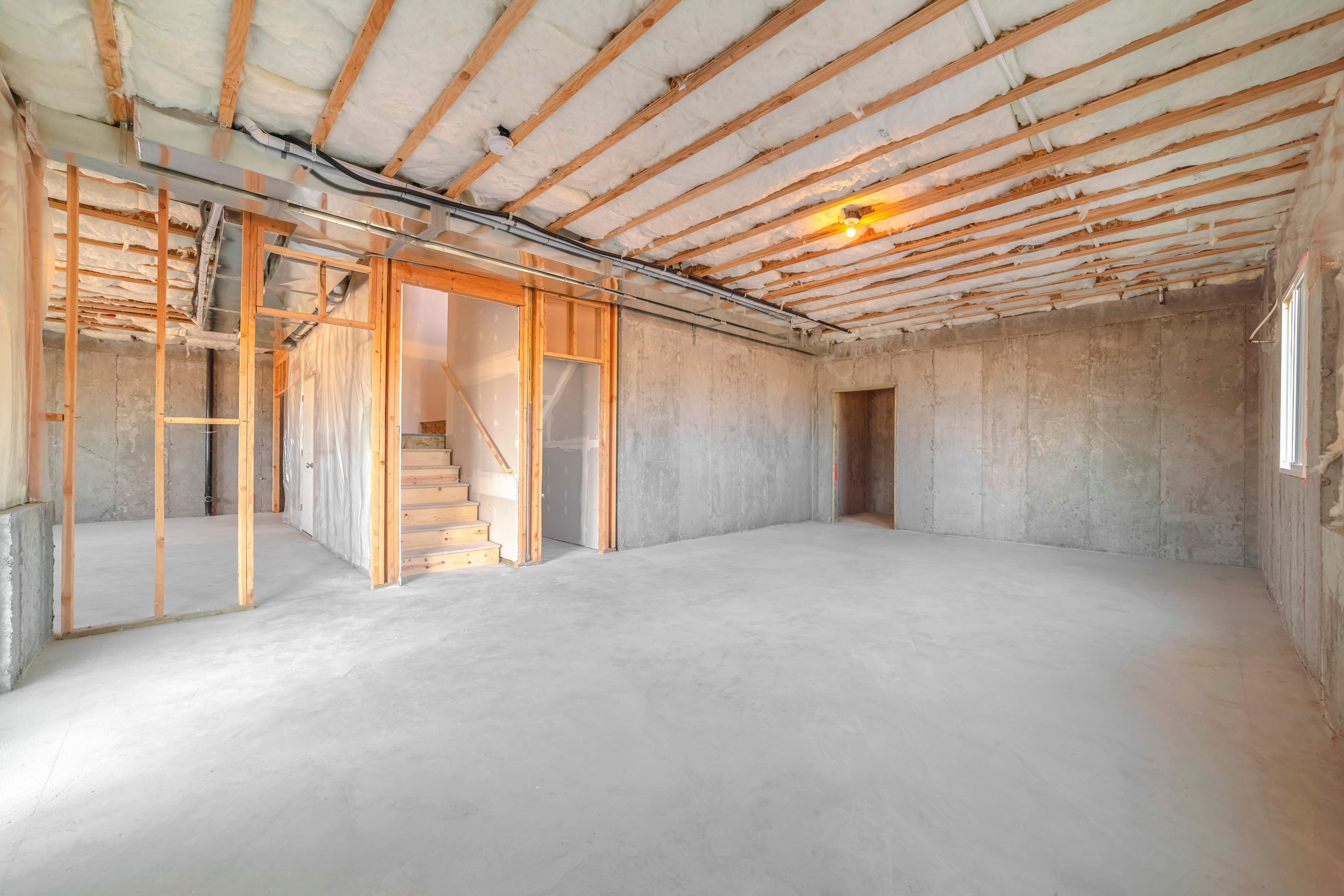
Is your basement floor damp or showing puddles after early summer storms? You are not alone. June brings heavy rain and fast snowmelt runoff across Wisconsin, which can raise groundwater levels and push moisture into basements. The good news is that you can fix seepage at the source with smart site design. Grading and excavation correct how water flows around your home so it stays out of your basement. In this guide, RLP Diversified, Inc explains the causes, solutions, typical costs, and the steps to protect your home from water damage.
Why June Brings Basement Floor Seepage in Wisconsin
June is peak thunderstorm season in Wisconsin. Intense downpours can saturate soil within minutes. When that happens, the soil around a foundation swells and holds water against the walls and under the slab. This increases hydrostatic pressure. Water always looks for the easiest path, and a tiny crack or an unsealed joint in your basement floor becomes a natural target.
- Hydrostatic pressure pushes water upward through floor cracks and seams under the slab.
- Negative grade sends roof and surface water toward your foundation instead of away.
- Short or clogged downspouts dump thousands of gallons right next to your basement wall.
- Window wells without proper drains can overflow and seep through the cove joint where the wall meets the floor.
- Cracks in the slab or cold joints allow seepage during long rain events.
- High water table after heavy storms makes water rise from below the slab.
- Leaky underground irrigation or exterior spigots can saturate soil near the foundation.
Seepage or Condensation How to Tell the Difference
Not all wet floors mean you have a leak. Warm, humid June air can condense on cool basement floors. Knowing the difference helps you choose the right fix.
- Condensation creates a thin film or sweat on broad areas of the slab, often in the morning or evening, and improves with a dehumidifier.
- Seepage shows up as localized damp spots, hairline trickles, or puddles that grow after rain.
- Seepage often appears near floor cracks, expansion joints, or along the wall-floor cove joint.
- Musty odor and efflorescence white powdery residue point to ongoing seepage through concrete.
- If water appears during dry weather, suspect a plumbing or irrigation leak.
How Grading and Excavation Stop Basement Leaks at the Source
Surface water control is the first line of defense. Proper grading and excavation reshape the ground so water flows away from your foundation. This reduces the volume and pressure of water against your basement walls and slab, which often stops seepage without invasive interior work. RLP Diversified, Inc brings more than two decades of expertise to grading and excavation that is tailored for Wisconsin soils and storms.
What Proper Yard Grading Does for Your Basement
- Creates positive slope so the first 10 feet around your home drop 6 inches or more.
- Steers roof runoff and stormwater to swales, ditches, or storm inlets instead of pooling near the house.
- Lowers soil moisture against the foundation, which relieves hydrostatic pressure.
- Prevents ice dams on grade in winter that can trap water against the house during spring thaw.
- Protects landscaping and hardscapes by directing flow along planned routes.
Our Excavation and Grading Steps for Dry Basements
Each property is different. Here is how RLP Diversified, Inc approaches grading and excavation to protect your basement from June storms.
- Site assessment and elevation check. We measure current grades, identify low spots and ponding, and note soil type clay, loam, sand.
- Utility locates. We call in locates and flag private utilities to dig safely.
- Rough cut and subgrade preparation. We excavate high areas and place fill in low areas to establish positive slope away from the foundation.
- Compaction. We compact in lifts to prevent future settlement that could bring slopes back toward your home.
- Swale and drainage route construction. We form shallow swales and channels to guide water to safe discharge points or storm systems.
- Downspout extension planning. We integrate splash blocks, buried extensions, or tightline piping to carry roof runoff at least 10 feet away.
- Soil selection. We backfill near the house with low permeability soils when available to reduce infiltration, then top with quality topsoil for planting.
- Surface finish. We complete rough and finish grading, restore lawns, seed and straw or install erosion control blankets on slopes.
- Final verification. We run water tests and level checks to confirm positive drainage.
Drainage Structures We May Add During Excavation
- French or curtain drains to intercept subsurface water upslope of the house.
- Catch basins and yard inlets to collect water in low spots and move it through pipe to a safe outlet.
- Driveway regrading and culvert improvements so stormwater does not sheet toward the garage or foundation.
- Daylight outlets with rodent guards where gravity discharge is possible.
- Riprap and shoreline stabilization for properties near lakes or ponds to limit erosion that can regrade your yard unintentionally.
When Foundation Excavation and Exterior Waterproofing Are Needed
If seepage continues after surface grading and drainage corrections, exterior foundation excavation may be the right call. This involves digging down to the footing, cleaning and repairing the wall, applying a waterproof membrane, and installing new footing drains with washed stone and filter fabric. The drain then discharges by gravity or to a sump system. RLP Diversified, Inc performs this work with the right equipment Caterpillar, Bobcat, and New Holland machines sized to your site and soil conditions. This approach treats the cause outside your foundation so water never reaches the interior.
Other Fixes That Complement Grading and Excavation
Good site drainage pairs with simple maintenance and interior protections. Together, they form a complete system for dry basements in June and all year.
- Gutters and downspouts. Keep them clear. Add 3 to 10 foot extensions or tie them into buried drains.
- Sump pump and drain tile. Test pumps before storm season. Add a battery backup. Make sure the discharge line stays clear and exits away from the foundation.
- Interior crack repair. Use injectable epoxy or polyurethane to seal known cracks. This controls localized seepage.
- Window wells. Install covers and ensure wells drain to a gravel base or dedicated drain line.
- Vapor barrier under new slabs. If you finish or replace a slab, include a polyethylene vapor barrier and perimeter insulation when appropriate.
- Dehumidification. Control indoor humidity to reduce condensation and musty odors.
Costs and Timelines for Wisconsin Homeowners
Every lot, soil, and foundation is unique, so consider the figures below as planning ranges. RLP Diversified, Inc provides clear, itemized proposals after an on site assessment.
- Basic grading around a small to medium home usually ranges from $1 to $3 per square foot of affected area depending on access, soil movement, and finish requirements.
- Regrading with import or export of soils and trucking often ranges from $3 to $8 per square foot when significant cut or fill is needed.
- French or curtain drains typically cost $30 to $60 per linear foot based on depth, pipe size, and restoration.
- Exterior foundation waterproofing with excavation, membrane, and new footing drains often runs $90 to $150 per linear foot depending on depth, site access, and obstructions like patios.
- Sump pump and interior drain tile upgrades generally range from $1,200 to $3,000 for typical single pump systems.
Timelines vary by scope and weather. Many grading and excavation projects complete in 1 to 3 days. Exterior foundation waterproofing on one side of a home may take 2 to 5 days. Because June storms can delay work, we schedule with flexibility and maintain erosion controls during and after construction.
DIY or Hire a Pro
Some fixes are simple. Others require professional planning, equipment, and permits. Here is a quick guide.
- DIY friendly: cleaning gutters, adding temporary downspout extensions, sealing small interior cracks, running a dehumidifier, light topsoil touch ups for positive slope over very short runs.
- Hire a pro: persistent seepage after rains, standing water near the foundation, regrading over large areas, building swales, installing French drains, tying in downspouts underground, excavating near foundations, or working on steep slopes.
RLP Diversified, Inc brings grading and excavation know how that saves time and avoids costly mistakes like improper slope, poor compaction, or discharge locations that violate codes or create neighbor drainage issues.
Why Homeowners Choose RLP Diversified, Inc
Founded in 2000 and based in Burlington, Wisconsin, RLP Diversified, Inc is a contractor you can trust for grading and excavation throughout the state. After integrating Andy’s Excavating in 2013, the team expanded capacity and services to handle projects of all sizes. We serve Milwaukee, Waukesha, Madison, Racine, Mequon, Kenosha, Green Bay, and communities in between. Our crews operate quality equipment from Caterpillar, Bobcat, and New Holland, which helps us deliver consistent results even in tight or complex sites. We are committed to clear communication, safe operations, and clean job sites.
Services That Support Dry Basements
- Aggregate and trucking. Timely delivery of topsoil, fill, sand, stone, gravel, and limestone to build proper grades and drainage bases.
- Grading and earthmoving. Rough and finish grading for homes, driveways, and roads, including stripping topsoil, backfilling, and final lawn preparation and seeding.
- Pond excavation. Construction and maintenance of ponds, plus shoreline repairs and stabilization to manage stormwater on larger properties.
- Excavation for residential and commercial sites. Foundations, parking areas, shorelines, and irrigation ponds, along with dredging and scraping where needed.
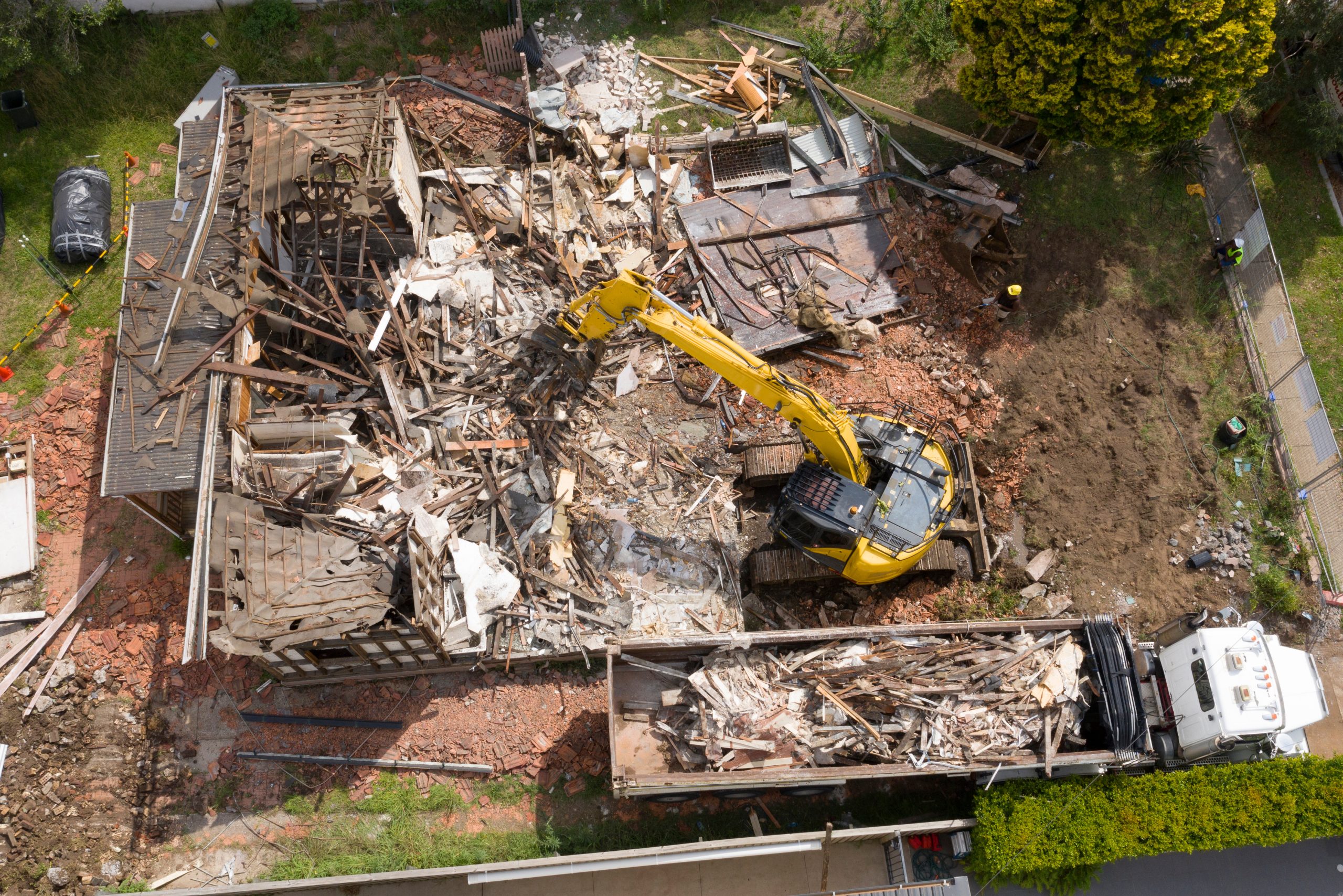
- Demolition and site cleanup. Removal of structures and old concrete, plus recycling of concrete for base materials on new grades or drives.
Our Proven Project Process
- Initial consultation. We listen to your water concerns and review photos or videos of seepage when available.
- On site evaluation. We verify grades with levels, map water paths, and inspect the basement for entry points.
- Written proposal. You receive a clear scope, drawings or sketches as needed, materials, schedule, and pricing.
- Utility locates and permits. We coordinate locates and any necessary permits before excavation.
- Mobilization and erosion control. We stage equipment and protect the site with silt socks or straw as required.
- Execution. Our crew performs grading and excavation with compaction, drainage installation, and restorations.
- Quality checks. We run water tests and confirm positive drainage toward intended outlets.
- Closeout. Final walkthrough, tips for maintenance, and timely punch list completion if needed.
Frequently Asked Questions About June Basement Seepage
Will grading alone fix my basement leaks
Often yes. If the main cause is surface water pooling or roof runoff near the foundation, grading and excavation with proper downspout extensions can stop seepage. If the water table is high or cracks are severe, you might also need a French drain, sump upgrades, or exterior waterproofing.
How much slope should I have away from the house
A practical rule is a 6 inch drop over the first 10 feet from the foundation. On longer runs, 1 to 2 percent continuous slope keeps water moving. RLP Diversified, Inc designs to your site so you get effective drainage without creating hazards.
What soil works best near the foundation
A compacted, relatively low permeability soil near the foundation helps shed water. Then add quality topsoil for lawns and planting. We choose soils based on availability, cost, and performance for your property.
How far should I extend my downspouts
At least 10 feet where space allows, and farther on flat lots or heavy clay soils. Buried pipe to a safe outlet keeps yards neat and reduces icing concerns in winter.
Can work proceed during rainy June weather
Light rain rarely stops grading and excavation, but downpours can pause work to protect soil structure and prevent tracking mud. We use erosion controls and schedule flexibly during stormy weeks.
Is interior drain tile a substitute for exterior grading
Interior systems manage water that has already reached your foundation. Proper grading and excavation reduce that burden and often lower costs long term by preventing water from ever reaching the house.
Simple Maintenance Tips to Keep Your Basement Dry
- Clean gutters in spring and mid summer. Confirm each downspout is clear.
- Walk your yard after a storm. Note any new puddles or erosion paths near the foundation.
- Inspect and test your sump pump before major storms. Keep a spare pump on hand.
- Trim landscaping away from the house so roots and mulch do not trap moisture along the wall.
- Reseed bare patches and repair settled areas to maintain positive slope.
- Keep window well drains clear and covers intact.
Protect Your Home Before the Next June Storm
Basement seepage will not fix itself, and repeated wetting can lead to mold, damaged finishes, and reduced home value. The fastest and most reliable way to stop the problem is to direct water away from your foundation with thoughtful grading and excavation. RLP Diversified, Inc has been helping Wisconsin homeowners stay dry since 2000 with dependable crews, quality equipment, and a commitment to doing the job right the first time. If you are seeing wet spots, puddles, or musty odors after storms, contact our team for a site evaluation and a clear plan. Get ahead of the weather and protect your home from water damage this June and all year.



Leave A Comment