That Rotten Egg Smell Has a Name and a Cause
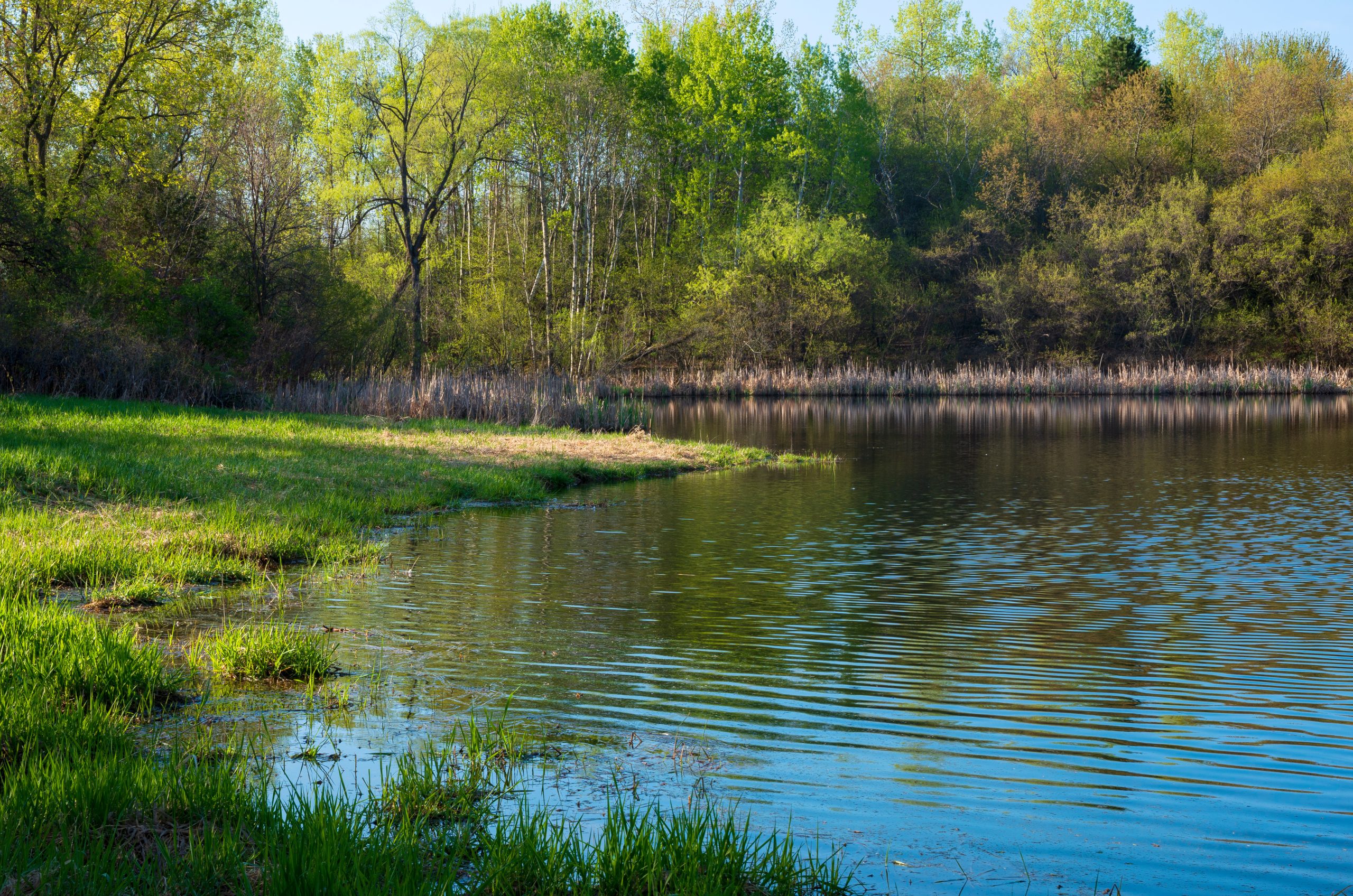
If your backyard or farm pond reeks like rotten eggs after a hot spell, you are smelling hydrogen sulfide. This gas develops when oxygen levels drop near the bottom of a pond and bacteria break down organic matter without oxygen. Summer heat makes the problem worse by speeding up decay, thickening the muck layer, and causing the pond to stratify. The result is a strong sulfur odor that rises when wind, storms, or foot traffic disturb the bottom.
In plain terms, warm weather and still water set the stage. Leaves, grass clippings, algae, goose waste, and other organics collect on the bottom. As they rot, oxygen is used up. When oxygen is gone, anaerobic bacteria take over and produce hydrogen sulfide. The smell can be brief after a storm or ongoing through the hottest weeks of the season.
Pond digging companies and experienced excavating pros see this pattern every summer. The good news is that the cause is predictable, and so are the fixes. With a few checks and the right actions, you can clear the air and make your pond healthier for the long run.
Why Summer Makes the Smell Worse
Thermal Stratification Traps Bad Gases
During summer, ponds often stratify. The upper layer is warm and oxygen rich. The lower layer is cold, still, and oxygen poor. Without wind mixing or mechanical aeration, the bottom zone runs out of oxygen. The bacterial community shifts, and hydrogen sulfide builds up in the muck. When wind or rain finally mixes the layers, the trapped gas escapes and the smell hits fast.
Faster Decay, More Muck
Heat speeds up life in the pond. Plants grow faster, algae blooms more often, and fish and microbes all breathe more. As more organic matter sinks, the muck layer grows. That muck stores nutrients and fuels more algae. It also feeds the odor problem because decomposition in an oxygen free zone creates sulfur compounds and methane.
Shallow Water and Stagnant Corners
Shallow shelves, coves with little wind, and bays with heavy weed growth often go anoxic first. If your pond was built too shallow or has silted in over time, you get more warm, stagnant water and more odor. This is one reason pond digging companies place so much value on proper depth and slopes when they design or rehab a pond.
Quick Ways to Confirm It Is Hydrogen Sulfide
You do not need a lab test to get a good idea of what is going on. Try these safe checks:
- Smell test: Rotten egg odor that fades in open air is a classic hydrogen sulfide sign.
- Stick test: Insert a pole or rake into soft bottom muck and pull it up. If small bubbles rise and the odor spikes, you have anaerobic decomposition.
- Timing: Odors after storms, strong winds, or swimming activity often point to gas release from the bottom.
- Visual clues: Black muck, milky water after a storm, or sudden fish stress suggest low oxygen and gas release.
Immediate Actions You Can Take This Week
Short term steps can reduce the smell and protect fish while you plan long term fixes.
- Skim surface debris daily. Use a net to remove floating leaves, algae mats, and dead plants before they sink.
- Run a surface aerator or fountain if you have one. This adds oxygen at the surface and can help ease odors after a storm.
- Reduce nutrient inputs right now. Stop fertilizing within 25 to 50 feet of the shoreline. Keep grass clippings, leaf piles, and pet waste out of the water.
- Add beneficial bacteria products if recommended for your pond type. These can aid natural breakdown in oxygen rich zones. Results vary, so use as a helper, not a cure.
- Open up wind fetch if safe. Trim tall weeds that block wind from moving water across the surface. Do not clear native buffer plants that hold soil on steep banks.
- Spot treat algae with caution. Follow labels exactly and treat only small sections at a time. A big die off at once can cause a larger oxygen crash, which can make smells worse.
Long Term Fixes That Solve the Root Problem
1. Add Bottom Diffused Aeration
Bottom diffused aeration uses a shore based compressor that feeds air to diffusers on the pond bottom. Tiny bubbles rise and move water from the depths to the surface where it absorbs oxygen. This gently mixes the whole pond, breaks up stratification, and keeps the bottom from going anoxic. Over time, it helps reduce muck volume and sulfur gas formation.
For most ponds in Wisconsin, a well sized bottom diffuser system is the single best investment for water quality. It runs quietly, costs less than many fountains, and covers deeper areas that surface aerators miss.
2. Improve Depth and Shape
Ponds with a proper bowl shape are easier to keep healthy and odor free. Ideal features include:
- Average depth of 8 to 12 feet for general use ponds, with areas that reach deeper in larger ponds.
- Steady slopes from the bank to reduce shallow warm shelves that fuel weeds.
- A defined basin that allows good circulation from aeration and wind.
Pond digging companies are the right partners for reshaping and deepening work. This may include dredging soft sediment, hauling spoils, and grading banks for stability. Done right, these changes greatly reduce odor issues.
3. Dredge Excess Muck and Silt
If you can push a pole deep into soft muck, it is time to plan dredging. Removing nutrient rich sediment cuts off fuel for algae and reduces the source of sulfur gases. Professional dredging with the right equipment stays on grade and avoids bank damage.
4. Stabilize Shorelines and Inlets
Unstable shorelines erode and feed silt into the pond. Stabilization might include rock, natural fiber blankets, vegetated buffers, or removal and replacement of failing seawalls. At inlets, a sediment forebay or rock check can trap silt before it reaches deep water. This keeps the basin from filling, which protects your depth and limits warm, smelly shallows.
5. Manage the Watershed
What happens on the land shows up in the pond. Adopt these steps across your yard, farm, or facility:
- Create a 10 to 25 foot native buffer around the pond to filter runoff.
- Divert downspouts and tile lines to rain gardens or settling areas, not straight into the pond.
- Apply low phosphorus lawn products sparingly, and only after a soil test.
- Control geese by limiting manicured grass at the water’s edge and planting taller native borders.
- Maintain gravel or rock on high traffic shoreline zones to cut erosion.
When To Call Pond Digging Companies
Some odor issues point to conditions that need professional help. Call an experienced pond contractor if you see:
- Persistent sulfur smells even with aeration in place.
- Over 12 inches of soft muck across large areas.
- Shoreline collapse, failing seawalls, or rapid erosion.
- Repeated summer fish stress or fish kills after storms.
- Inlets that deliver heavy silt loads during every rain event.
- A pond that is too shallow by design or by years of siltation.
Pond digging companies with full service excavation capabilities can assess the basin, measure muck depth, and design a plan to deepen, dredge, and stabilize. They also coordinate hauling, aggregate delivery, grading, and site cleanup so you get a clean finish and long lasting results.
How RLP Diversified, Inc Solves Sulfur Smells at the Source
RLP Diversified, Inc, based in Burlington, Wisconsin, has helped owners build and restore healthy ponds since 2000. The team grew even stronger after integrating Andy’s Excavating in 2013. Today, the company brings full grading and excavating expertise to projects across the state. If your pond smells like sulfur in summer, RLP Diversified can pinpoint the cause and deliver practical, lasting fixes.
Pond Excavating and Rehabilitation
RLP Diversified provides complete pond services that include new pond construction, basin deepening, dredging, shoreline protection, and removal of aging seawalls. The crew can reshape shelves, pull back soft sediment to restore depth, and set proper side slopes to improve circulation. These upgrades reduce stagnant areas that foster anaerobic zones and hydrogen sulfide buildup.
Grading and Earthmoving for Healthy Waters
Good grading supports good water. RLP Diversified handles rough and finish grading, stripping and spreading topsoil, and stabilizing disturbed ground so new shorelines hold together. They can add seeded lawns or native covers that slow runoff, which cuts down on the nutrients that feed algae and the muck that causes odor.
Aggregate and Trucking
Many odor solutions call for the right materials. RLP Diversified delivers topsoil, fill dirt, sand, stone, gravel, and limestone statewide. These materials support access roads for dredging, riprap for shoreline stabilization, and rock checks at inlets. With in house trucking, your project keeps moving without delay.
Excavating and Demolition
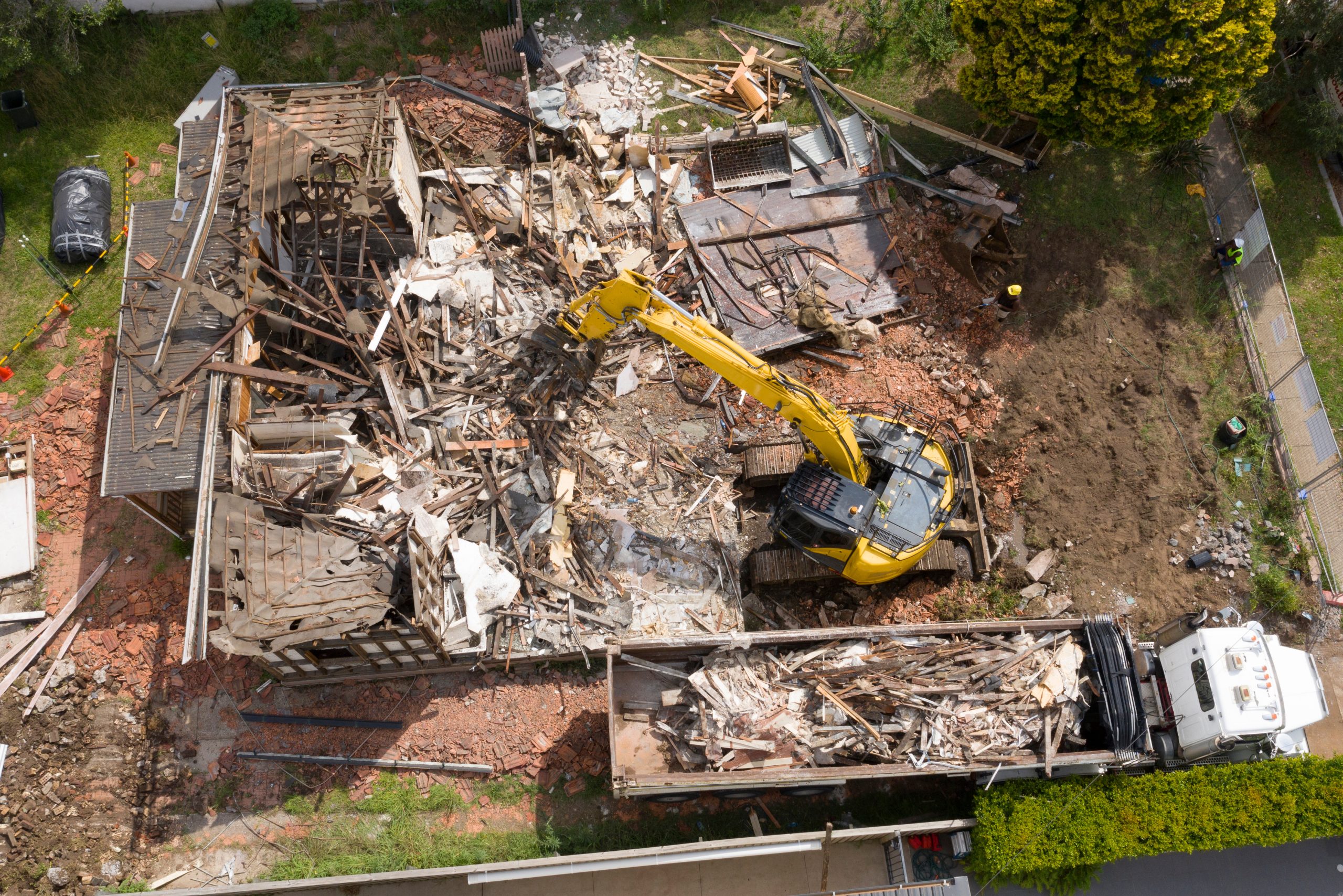
From removing a broken concrete seawall to prepping a site for a new shoreline design, RLP Diversified manages demolition and cleanup. Concrete recycling and responsible disposal keep your site tidy and efficient. Their excavators and skid steers from brands like Caterpillar, Bobcat, and New Holland give them the muscle and precision to work in sensitive pond environments.
Service Area
RLP Diversified serves the entire state of Wisconsin. If your pond is near Milwaukee, Waukesha, Madison, Racine, Mequon, Kenosha, Green Bay, or anywhere in between, the team can help. Site visits, clear estimates, and straight talk are standard. The company focuses on quality work that stands up to freeze thaw cycles and summer heat alike.
A Step by Step Plan to Clear the Sulfur Smell
- Inspect and measure. Confirm the odor source, check muck depth with a pole, and note shallow hot spots.
- Stabilize quick wins. Skim debris, adjust mowing near the edge, and stop fertilizer near the shoreline.
- Install bottom diffused aeration. Size the system to your pond volume and depth for full circulation.
- Dredge or deepen where needed. Remove soft sediment and fix problem zones that trap heat and go anoxic.
- Stabilize shorelines. Use rock, native plants, or engineered systems to end erosion and reduce silt loads.
- Manage the watershed. Add buffers, redirect runoff, and set up a small settling area at key inlets.
- Maintain and monitor. Check aeration, keep debris out, and review pond health each spring and fall.
FAQs About Sulfur Smells and Summer Ponds
Is the smell dangerous?
Hydrogen sulfide at typical outdoor pond levels mainly smells bad. In confined spaces it can be hazardous, but ponds are open air. Still, the smell signals that oxygen is low and fish stress may be near. Treat it as a warning to improve oxygen and water quality.
Can a fountain alone fix the problem?
Surface fountains improve looks and add some oxygen near the top. They often do not mix deep water. Bottom diffused aeration is more effective for breaking stratification and preventing sulfur gas formation at the bottom. Some ponds use both for looks and function.
Will chemicals remove the odor?
Chemicals might reduce algae for a time, but they do not remove muck or fix low oxygen at the bottom. Overuse can even make odors worse after die offs. Focus on aeration, depth, and nutrient control. Use treatments only as a targeted tool.
How long until I notice a difference?
With proper bottom aeration, many owners notice less odor in days to weeks. Dredging and reshaping bring bigger, lasting changes that continue to improve conditions season after season.
What if my pond is spring fed?
Spring inflow helps keep water cool and oxygenated, but stratification and muck can still create odors in hot weather. The same core fixes apply. Aeration and sediment control are key.
Why Work With RLP Diversified, Inc
Pond digging companies are not all the same. RLP Diversified, Inc brings over two decades of grading and excavation know how, a full suite of services, and proven equipment. The team handles planning, earthmoving, material delivery, and site finish in one coordinated plan. You get fewer delays, clear accountability, and a pond that performs better in both heat and cold. From shoreline stabilization to dredging and aeration upgrades, they build solutions that stop sulfur odors at the source.
Ready To Breathe Easy Again?
Summer does not have to mean rotten egg smells. If your pond stinks after heat waves or storms, take action now. Start with simple steps, then fix the design and depth that cause low oxygen at the bottom. For deeper help, partner with a trusted contractor.
RLP Diversified, Inc serves homeowners, farms, and commercial properties across Wisconsin, including Milwaukee, Waukesha, Madison, Racine, Mequon, Kenosha, and Green Bay. Their pond excavating, grading, aggregate delivery, and shoreline protection services work together to restore clean, healthy water.
Reach out to discuss your pond, get a clear plan, and schedule work before the next hot spell. With the right design and maintenance, your pond can stay fresh, clear, and odor free all summer long.






Leave A Comment