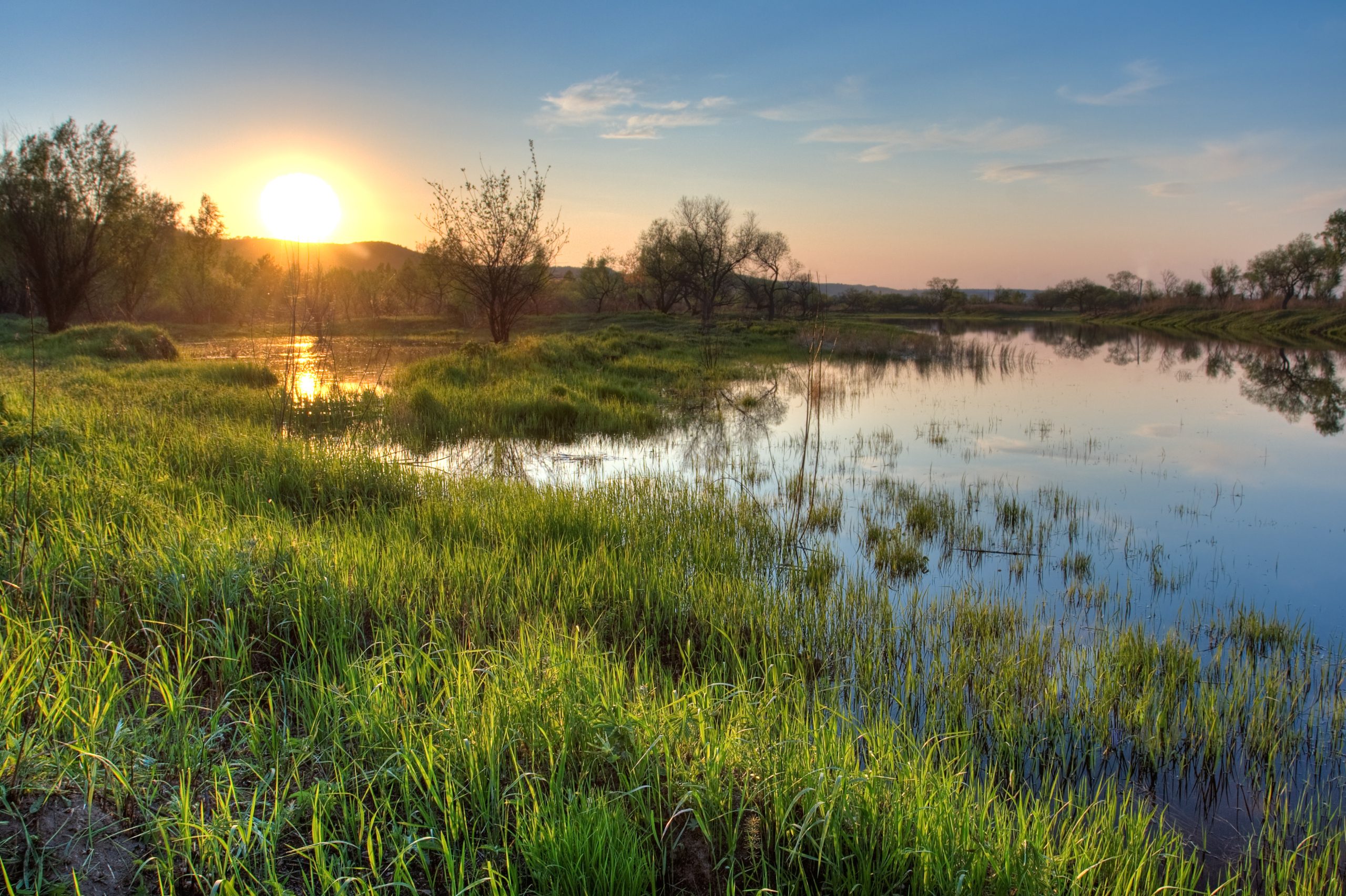
Thinking About a Driveway Across a Wet Spot? Start Here
Yes, you can often build a driveway through a low marshy area, but it takes careful planning, the right materials, and proper permits. Land clearing contractors near me can help you assess a low marshy area for a driveway, including drainage, permits, and costs. Get expert guidance and a fast quote today. In Wisconsin, many properties include swales, seasonal wetlands, and soft soils that can swallow a poorly built access road. The good news is that a well designed driveway can cross wet ground and hold up year after year. The key is a smart approach that respects water flow, soil limits, and local rules.
What Makes a Marshy Area Challenging
Marshy areas are different from a typical yard or farm field. They often have organic soils like peat or muck that are weak and hold water. When you add weight from vehicles and fill material, the soil can settle or pump water up into the driveway. Without drainage and stabilization, ruts, potholes, and washouts happen fast. If the area is regulated as a wetland, you also have to follow state and federal rules. RLP Diversified, Inc has helped owners across Wisconsin solve these challenges with solid designs and practical construction methods.
Know the Rules First: Wetlands, Permits, and Local Requirements
Before you move a shovel of dirt, confirm what you can legally build. In Wisconsin, many low wet areas are regulated wetlands. You may need approvals from county zoning, the Wisconsin Department of Natural Resources, and sometimes the U.S. Army Corps of Engineers. Even if your site is not a mapped wetland, you might still need a driveway or access permit from your town or county. A quick call can save months of delay.
Who to Contact in Wisconsin
- Your town or county highway department for driveway access permits and culvert size requirements
- County zoning or land conservation office for shoreland, floodplain, and wetland guidance
- Wisconsin DNR for wetland determinations and waterway permits
- U.S. Army Corps of Engineers for federal wetland jurisdiction questions
- Utility locators to mark lines before any digging
A professional wetland delineation may be required if there is any doubt. RLP Diversified, Inc can coordinate site assessments and help you line up the right experts. If you are searching for land clearing contractors near me who actually understand permits, you want a team that has done this many times and knows how to keep your project on schedule.
Red Flags That Signal Extra Planning
- Standing water that lasts for weeks in spring or after storms
- Thick black soils or a spongy feel underfoot
- Existing ditches or culverts that already struggle to move water
- Mapped floodplain or shoreland zones
- Protected habitats or nearby streams and ponds
Designing a Durable Driveway Over Wet Ground
A strong driveway across soft ground is all about controlling water, spreading loads, and separating materials. You want a design that keeps fines from pumping up into the base, carries stormwater where it belongs, and handles heavy vehicles without rutting. The right plan may look simple from the surface, but it is built on proven steps below the surface.
Drainage Planning Comes First
Water always finds a way. A driveway that blocks flow will fail, and it can also trigger enforcement if it alters a wetland. A good drainage plan keeps natural flow paths open and directs water safely through or under the driveway.
- Swales and ditches move water along the sides of the driveway without eroding the surface.
- Culverts carry water under the driveway at low points. The size is based on drainage area and local code. Many Wisconsin counties specify a minimum of 12 inches, but some sites need 15 inches or larger.
- A crowned surface sheds water to both sides. A 2 to 3 percent cross slope is common for gravel drives.
- Stone lined outlets prevent scour where water leaves a culvert.
RLP Diversified, Inc designs drainage with local rainfall and soil conditions in mind. If you are comparing land clearing contractors near me, ask how they size culverts and protect outlets. The right answers show they are thinking long term.
Soil Stabilization That Works
Soft soils are not a deal breaker if you build the right foundation. There are several ways to stabilize a marshy crossing. The path you choose depends on soil type, depth of muck, water table, budget, and permit limits.
- Geotextile separation fabric keeps base stone from mixing with the subgrade. This is the minimum for most wet crossings.
- Geogrid reinforcement improves load spreading and reduces the amount of stone needed in very soft areas.
- Bridging with larger stone creates a stable layer over spongy soils. A base of 3 inch minus or breaker run stone is common, topped with smaller gravel.
- Underdrains or French drains lower the water level near the road and relieve pressure on the base.
- Lightweight fill or timber mats may be used where deep organics cannot be removed. In extreme cases, pile supported slabs or geocells can be designed.
Our crews work with Caterpillar, Bobcat, and New Holland equipment to place fabric, stone, and drains with precision. The result is a driveway that feels solid underfoot and holds up to delivery trucks and emergency vehicles.
What a Typical Section Looks Like
Every site is different, but a common wet area driveway build includes the following layers from bottom to top. Depths adjust based on soil tests and traffic needs.
- Site strip and proof roll. Remove brush and soft organic top layers until you reach firmer subsoil.
- Place a heavy duty woven geotextile over the subgrade to separate soils and base stone.
- Install any needed underdrains with filter fabric and clean stone to carry water away.
- Build a base with 12 to 18 inches of well graded stone. Larger stone on the bottom, finishing with 3 inch minus or 1.5 inch minus as you move up.
- Top with 3 to 6 inches of compacted gravel such as 3/4 inch traffic bond for a smooth finish. For a premium surface, add recycled asphalt or pave with asphalt once the base has settled.
For long wet crossings, it can help to build in stages. Place the base, allow initial settlement, then add more stone and final surfacing. RLP Diversified, Inc can schedule work in phases to reduce future maintenance and keep costs predictable.
Access Width, Turning, and Safety
Even a narrow driveway needs to be wide enough to drive safely. Plan for the largest vehicle that might use the drive, including fire trucks. Many rural drives are at least 12 feet wide with 2 foot shoulders. Curves and slopes should be gentle, and the entrance should meet your road at the required angle and with the right sight distance. Your county or town will share specific driveway ordinance requirements. Our team makes sure your layout meets those rules and functions well in real life.
Winter and Freeze Thaw
In Wisconsin, frost can push up weak sections and turn soft areas into ruts when it thaws. A deep, well drained base is the best defense. Good compaction during construction and a crowned surface help shed meltwater. If you have shaded areas, consider extra base depth or add drainage to keep ice from forming.
Costs and Timelines You Can Expect
Costs vary based on length, depth of muck, drainage needs, and permit requirements. Short crossings with moderate soils can be straightforward. Deep organics, long spans, and complex permits will add time and money. That is why a site visit matters. When you search land clearing contractors near me, look for a company that will walk the route, probe soils, and explain the numbers.
Typical Cost Ranges in Wisconsin
- Basic gravel driveway on firm soils: lower cost per linear foot
- Marshy crossing with fabric and thicker stone: moderate cost per linear foot
- Deep organic soils with geogrid, multiple culverts, or underdrains: higher cost per linear foot
- Asphalt paving over a stabilized base: cost per square foot, often done after one season of settlement
These are broad ranges. The real number depends on your site. RLP Diversified, Inc provides written estimates with a clear scope so you know exactly what is included. We also offer aggregate and trucking in house, which often lowers your delivered material costs.
Key Cost Drivers
- Length of the wet crossing
- Required culvert size and number
- Depth and type of soft soils
- Access for equipment and trucks
- Permit and engineering needs
- Final surface choice, from gravel to asphalt
Ways to Save Without Cutting Corners
- Choose the shortest practical crossing that still meets access and safety goals
- Build a strong base now and wait to pave later
- Use geotextile and geogrid to reduce how much stone you need
- Schedule work during dry periods to reduce pumping and rutting
- Source aggregates through one provider to reduce trucking delays and fees
Why Choose RLP Diversified, Inc for a Marshy Driveway
RLP Diversified, Inc is a Wisconsin based contractor with more than two decades of grading and excavating experience. We started in 2000 and grew again in 2013 with the addition of Andy’s Excavating. Today we offer full service support for driveways and access roads across the state. Our crews handle grading, earthmoving, excavating, and drainage from start to finish. We also run our own aggregate and trucking, which means reliable scheduling and consistent quality on stone, sand, gravel, and limestone deliveries.
Our services include road grading, rough and finish grading, topsoil stripping, backfilling, shoreline work, pond excavation, dredging, demolition, and concrete recycling. We work with Caterpillar, Bobcat, and New Holland equipment to match the right machine to each task. We proudly serve communities across Wisconsin, including Burlington, Milwaukee, Waukesha, Madison, Racine, Mequon, Kenosha, and Green Bay. If you are looking for land clearing contractors near me who can take on a marshy driveway from planning to completion, our team is ready.
Our Proven Process
- Site visit and assessment. We walk the route, check soils, measure grades, and review access points.
- Permit guidance. We help you coordinate with local and state agencies and connect you with wetland delineators if needed.
- Design and estimate. You get a clear plan that covers drainage, stabilization, materials, and timelines.
- Construction. We install fabrics, drains, culverts, and base stone, then finish with gravel or schedule paving.
- Final review and maintenance tips. We show you how to protect your investment and when to plan for surface touch ups.
Materials and Methods We Trust
- Woven geotextiles for separation and improved bearing
- Geogrid where soils are extra soft or loads are heavy
- Well graded aggregate blends that compact and drain
- Recycled concrete or asphalt base where suitable to cut costs and support sustainability
- Correctly sized culverts and erosion control at inlets and outlets
Alternatives When a Marshy Crossing Is Not the Best Fit
Sometimes the most cost effective option is to avoid the deepest wet ground. If permits are limited or soils are extremely poor, consider other access routes. A short reroute can be cheaper than a long wet crossing.
- Shift the driveway to a higher path with fewer drainage structures
- Share or extend an existing driveway with a neighbor if possible
- Use a narrow utility path with seasonal access and park closer to the road
- For foot traffic, consider a boardwalk or helical pier walkway to reduce ground impact
RLP Diversified, Inc can help you compare options and choose the smartest plan. When you search for land clearing contractors near me, look for a partner who brings you choices, not just one way to build.
Common Mistakes To Avoid
- Skipping permits or assuming you are outside wetland rules
- Using only topsoil or sand for fill instead of properly graded stone
- Forgetting the geotextile layer and letting base stone sink into muck
- Undersizing culverts and causing water to back up and wash out the drive
- Not crowning the surface, which leads to puddles and potholes
- Starting work during the wettest part of spring when soils are at their weakest
Frequently Asked Questions
Will a driveway across a marsh sink over time?
If you build on top of weak organic soils without separation and a strong base, it can settle and rut. With proper fabric, geogrid where needed, and compacted stone, settlement is reduced and performance improves. In very soft areas, staged construction helps the base adjust before final surfacing.
Can I just add more gravel when it gets muddy?
Dumping gravel on mud almost never works. The rock mixes with muck and disappears. You need to remove organics where possible, install geotextile, and then place graded stone in layers. This creates a stable platform that supports traffic.
How big should the culvert be?
Culvert size depends on drainage area, slopes, and local rules. Many Wisconsin towns require a minimum of 12 inches, but larger sites can need 15 inches or more. It is best to size culverts with local standards and real site data. RLP Diversified, Inc can help you choose the right size and install it with proper bedding and erosion control.
How long does construction take?
Simple drives may be completed in a few days. Longer marshy crossings with permits and drainage work can take a week or more once permits are in place. Permit timelines vary, so early planning matters.
Is asphalt a good idea over a marshy area?
Asphalt can work well if the base is solid and well drained. Many owners run the driveway with gravel for the first season to allow settlement, then pave once the base proves itself.
Do I need to hire an engineer?
For many residential drives, experienced contractors can design a solid section. For complex sites, long crossings, or regulated wetlands, engineering can be required or simply smart. We can work with your engineer or bring one in as needed.
How do I find the right contractor?
Search land clearing contractors near me and look for a company with real wetland and drainage experience. Ask about past projects in similar soils, what fabrics and stone they use, and how they size culverts. RLP Diversified, Inc is glad to provide references and walk you through our approach.
Ready To Get Started? Get a Fast Quote
If you have a low marshy area between you and your build site, cabin, field, or home, we can help you reach it safely. RLP Diversified, Inc will assess your property, explain your options, and give you a clear, competitive estimate. We serve Burlington and all of Wisconsin, including Milwaukee, Waukesha, Madison, Racine, Mequon, Kenosha, and Green Bay. When you need land clearing contractors near me who will handle grading, excavating, drainage, and aggregate delivery with one accountable team, we are your partner. Contact us to schedule a site visit and take the first step toward a driveway that lasts.

Leave A Comment