
Driveway gravel type: find the best materials for a long-lasting, low-maintenance driveway, from base to top layers. See top picks and upgrade your driveway now.
Choosing the right driveway gravel type is the difference between a driveway that ruts and washes out after a season and one that stays smooth, drains well, and lasts for years. The ideal driveway is built as a system, not just a single layer of stone. It starts with a stable base, uses properly graded aggregates, and finishes with a top layer that locks into place. If you are planning new construction or looking to rebuild an aging drive anywhere in Wisconsin, RLP Diversified, Inc brings proven grading, excavating, and aggregate delivery expertise to help you get the result you want.
Why Your Driveway Gravel Type Matters
Gravel is more than rocks. The size, shape, and blend of your stone directly affect stability, drainage, and maintenance. Angular crushed stone compacts and interlocks. Rounded stone like pea gravel shifts more easily. A quality driveway uses a layered approach so water moves out, loads spread evenly, and traffic does not break down the surface.
In a freeze and thaw climate like Wisconsin, a driveway gravel type that compacts well and sheds water is essential. RLP Diversified, Inc understands local soils, snow removal needs, and heavy vehicle traffic patterns. Our crews grade for correct slope, deliver the right blends, and compact each lift so your driveway stands up to seasons of use.
Understanding the Gravel Layers of a Durable Driveway
Subgrade Preparation
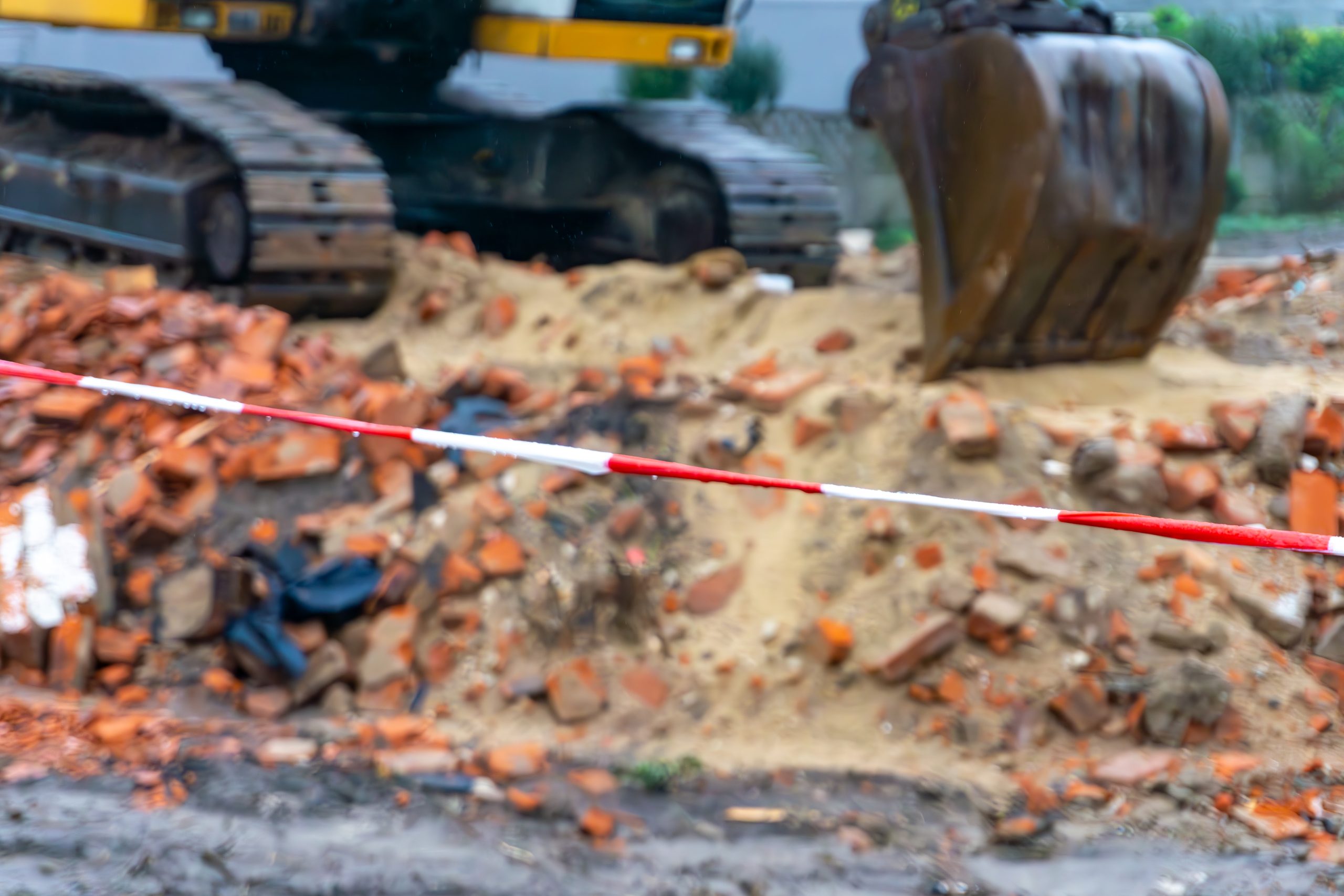
The soil beneath your driveway supports everything above it. Proper subgrade prep includes stripping topsoil, removing organic material, and shaping a crown or cross slope so water moves off the driveway. In soft or clay soils, a geotextile fabric helps separate soil from aggregate and prevents pumping during wet periods. RLP Diversified, Inc handles stripping, grading, backfilling, and compaction so your driveway starts on solid ground.
Base Layer
The base layer is the backbone of the driveway. Use angular crushed stone with fines, often called 3/4 inch minus, CA6, traffic bond, or crusher run. The fines fill voids while angular pieces interlock. This combination compacts to a dense matrix that resists rutting. Typical base thickness ranges from 6 to 12 inches, depending on soil strength and vehicle loads. Heavier traffic and weaker soils need more depth.
Sub-Base Layer
For longer drives or poor soils, a sub-base provides extra support. Larger stone like 1.5 inch minus or well graded road base can be used below the base layer. This thicker, coarser mix improves drainage and load distribution. In many Wisconsin sites, a sub-base under the base delivers long-term stability that keeps maintenance low.
Top Layer or Surface Course
The surface course must be clean, angular, and sized to lock in place without creating dust or mud. Many homeowners choose 3/8 inch to 5/8 inch crushed stone as the top course. Limestone chips or crushed granite chips work well because they stay put, shed water, and compact to a smooth finish. Some use limestone screenings blended into the top few inches to tighten the surface. Avoid rounded pea gravel as a main surface. It looks nice but tends to roll under tires and push to the sides.
Best Gravel Types for Wisconsin Driveways
Wisconsin driveways face freeze and thaw cycles, spring rains, and winter plowing. The best driveway gravel type holds up to these conditions, drains well, and compacts tight. Below are top choices RLP Diversified, Inc delivers and installs across the state.
Crushed Limestone
Crushed limestone is a proven winner for base and surface. It compacts firmly thanks to angular edges and fines. Limestone traffic bond or 3/4 inch minus makes an excellent base. For a surface, 3/8 inch or 1/2 inch limestone chips produce a clean, finished look with solid traction. Limestone is widely available across Wisconsin, which keeps costs reasonable and supply steady.
Crushed Granite
Crushed granite is hard, durable, and attractive. It resists weathering and compacts well. Granite chips in the 3/8 inch to 5/8 inch range are a strong surface choice and often used where a darker color is desired. As a base, granite mixes with fines function similar to limestone traffic bond. Availability varies by region, so pricing can differ from limestone. RLP Diversified, Inc can advise on local sources that suit your budget and schedule.
Recycled Concrete Aggregate
Recycled concrete aggregate, or RCA, is an eco-friendly alternative made from crushed and screened concrete. It offers excellent compaction and drainage for base layers. RCA can reduce material costs and keeps usable aggregate out of landfills. When supplied by a reliable source and placed correctly, RCA performs comparably to virgin aggregate for many driveway applications.
Traffic Bond or Road Base Mix
Traffic bond, road base, or crusher run refers to a well graded blend of crushed stone and fines. This mix is ideal for base layers because it compacts into a dense, stable platform. In some rural or low-traffic settings, a thicker layer of traffic bond graded smooth can even serve as both base and surface, though most homeowners prefer a cleaner chip stone on top.
Pea Gravel as an Accent
Pea gravel is rounded and shifts under load, so it is best used as an accent, not a primary surface. Consider pea gravel for walkways off the drive or decorative borders. If you love the look, use it in contained areas with edging. For the main driveway surface, stick to angular stone that locks together.
Selecting the Right Driveway Gravel Type for Your Site
Climate and Freeze Thaw
Freeze and thaw cycles create movement in the subgrade. Use angular aggregate with fines in base layers to resist heaving and create a tight bond. Avoid smooth, single-size stone in the base. In Wisconsin, a thicker base is often a smart investment that pays off in fewer repairs.
Soil and Drainage
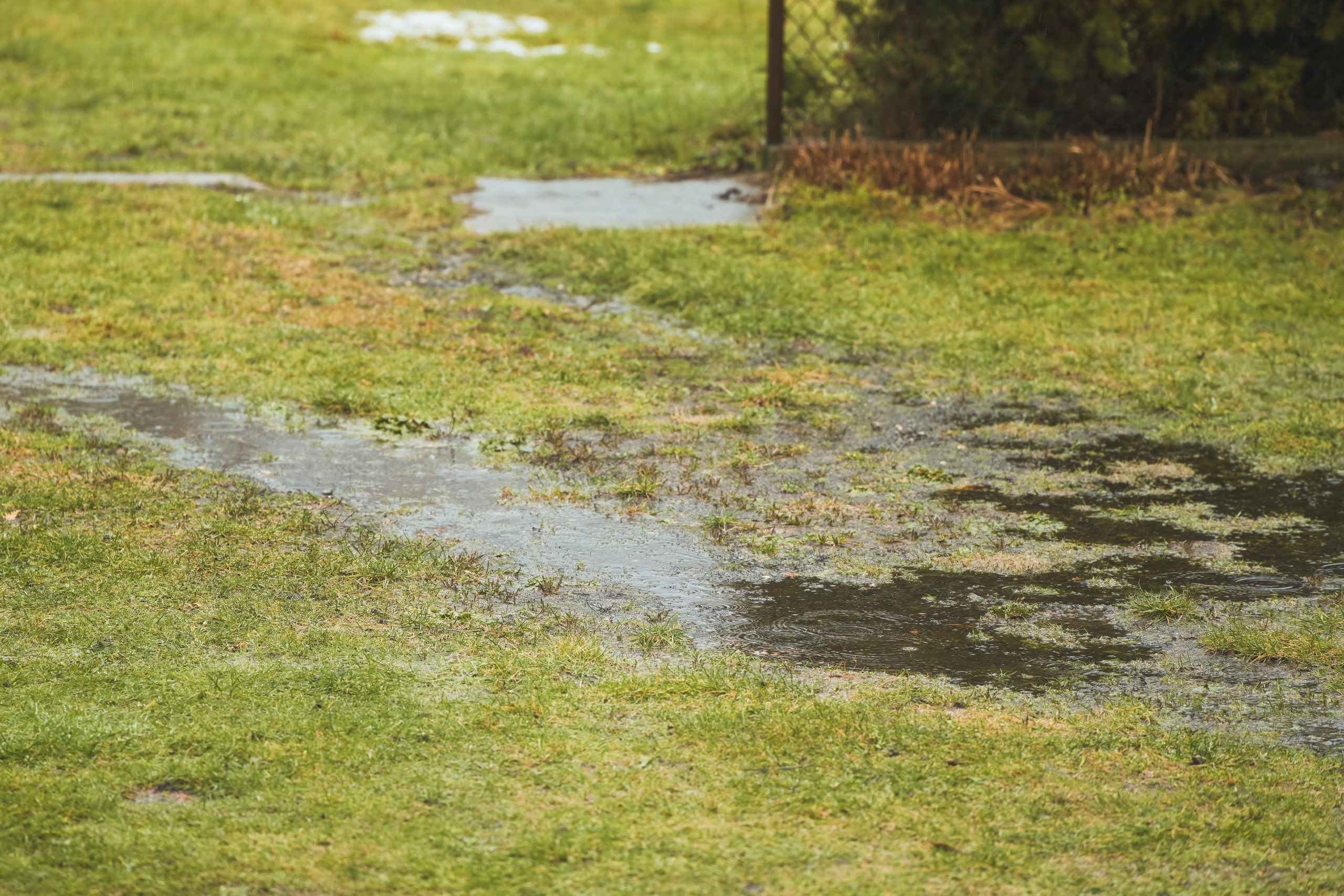
Clay holds water and needs more base depth and careful grading to move water away. Sandy soils drain faster but still need a compacted base to resist rutting. If water tends to pool, add ditches, culverts, or French drains. RLP Diversified, Inc has grading and earthmoving expertise to shape proper crowns, side ditches, and swales so your driveway stays dry.
Traffic and Use
Heavy trucks, boat trailers, and frequent delivery vehicles call for a stronger base and a high quality surface course. Light residential traffic may allow a thinner build, but do not skimp on compaction. A well compacted 8 to 12 inch base with a 2 inch surface course handles most residential needs. For farm lanes or frequent heavy loads, go thicker and consider a sub-base.
Budget and Availability
Local availability influences the best driveway gravel type for your project. RLP Diversified, Inc sources limestone, granite, sand, gravel, and recycled materials across Wisconsin. We match your budget to the right product and handle delivery with our aggregate and trucking fleet to keep your project on schedule.
Installation Steps for a Long-Lasting Gravel Driveway
- Site assessment and utility locate. Walk the route, mark edges, and identify drainage paths. Call to mark utilities before digging or grading.
- Strip topsoil and organic material. Remove sod, roots, and soft spots. Organic matter breaks down and creates voids that cause settling.
- Rough grade and shape the subgrade. Create a crown down the center or set a cross slope of about 2 percent so water runs off the surface.
- Stabilize soils as needed. In soft or wet areas, install geotextile fabric to separate soils from aggregates and reduce pumping.
- Place the sub-base if required. Spread a lift of coarser aggregate and compact to refusal using a vibratory roller or plate compactor.
- Install the base layer. Use 3/4 inch minus or traffic bond. Place in thin lifts, typically 3 to 4 inches at a time, and compact each lift thoroughly.
- Fine grade and compact. Shape the crown, smooth transitions, and compact again. The base should feel dense and firm underfoot.
- Add the surface course. Spread 3/8 inch to 5/8 inch angular chips evenly. A 1 to 2 inch layer usually performs well. Compact to lock in the top course.
- Set edge restraints where needed. Timber, steel, or concrete edging helps contain the surface in tight turns or narrow sections.
- Final roll and cleanup. Make a last pass with the roller and clean up shoulders to encourage drainage away from the drive.
RLP Diversified, Inc completes each step with the right equipment from brands like Caterpillar, Bobcat, and New Holland. Our grading and excavating teams work together with our aggregate and trucking operation so your driveway is built on time and built to last.
Maintenance Tips to Extend Driveway Life
Even the best driveway benefits from simple care. A few routine tasks go a long way toward keeping the surface smooth and the base strong.
- Keep water off. Clear leaves and debris from ditches, culverts, and swales. Add material to low shoulders so water does not edge onto the drive.
- Address potholes early. Cut out loose material, compact the base, and fill with traffic bond. Compact in thin lifts to prevent recurrence.
- Re-grade as needed. Light grading once or twice a year resets the crown and smooths the surface.
- Top-dress periodically. A fresh layer of chip stone every few years renews traction and appearance.
- Control weeds. Use a safe herbicide or manual removal. Healthy drainage and regular grading also limit weed growth.
- Snow removal best practices. Use a blade or blower with skids set slightly above the surface to avoid gouging. Avoid spinning tires that scatter stone.
Seasonal Checklist
- Spring: Inspect for frost damage, clean ditches, repair potholes, and add top-dressing where needed.
- Summer: Touch up grading, pull shoulders back in, and check culverts before heavy storms.
- Fall: Clear leaves and debris, restore crown, and prepare for plowing.
- Winter: Plow with care, avoid salt overuse on limestone, and watch for drainage blockages after thaws.
Common Mistakes to Avoid
- Using rounded stone as the main surface. Pea gravel or river rock will shift and rut under vehicle loads.
- Skipping fabric on soft soils. Without separation, fines pump into the base and reduce support.
- Placing thick lifts without compaction. Deep, loose layers settle unevenly and form ruts.
- Ignoring drainage. A flat driveway holds water and breaks down faster.
- Underbuilding the base. Thin bases save dollars upfront but cost more in repairs later.
Cost Overview
Your total cost depends on driveway length and width, base depth, material type, and hauling distance. Crushed limestone and recycled concrete are often cost-effective in Wisconsin. Granite may cost more in some areas but offers a distinct look. The most reliable way to control cost is to build the correct section once. RLP Diversified, Inc can provide a clear estimate that covers grading, delivery, compaction, and any needed drainage improvements so you know what to expect.
When to Consider Rebuilding or Upgrading
If your driveway has chronic potholes, standing water after storms, or a soft base that never firms up, it may be time to rebuild. Regrading helps when drainage and crown are the main issues. If subgrade soils are pumping or the base is too thin, a full rebuild with proper geotextile, base depth, and a stable surface will restore performance. RLP Diversified, Inc can assess whether repair or replacement is the better value for your situation.
Why Choose RLP Diversified, Inc for Your Driveway
Since 2000, RLP Diversified, Inc has delivered grading and excavating solutions across Wisconsin. After integrating Andy’s Excavating in 2013, our team expanded into a full-service contractor with the capabilities to handle driveways from start to finish. We provide aggregate and trucking for topsoil, sand, stone, gravel, and limestone. We handle road grading, rough grading, finish grading, and earthmoving. We build and repair ponds, perform shoreline protection, deliver excavation for foundations and parking lots, and complete demolition with site cleanup and concrete recycling. The same experience that builds highways and construction sites is applied to your driveway.
Our crews use reliable equipment from Caterpillar, Bobcat, and New Holland. We serve Milwaukee, Waukesha, Madison, Racine, Mequon, Kenosha, Green Bay, and communities throughout Wisconsin. Whether you need a fresh build on a new home or a rebuild of a long country lane, RLP Diversified, Inc brings the right people, the right materials, and the right process to your project.
Frequently Asked Questions
- How deep should the gravel be for a durable driveway? Most residential drives perform well with 8 to 12 inches of compacted base plus 1 to 2 inches of surface chip stone. Heavier traffic, soft soils, or longer drives benefit from a thicker base or a sub-base.
- Do I need geotextile fabric? Fabric is recommended over clay or unstable soils to separate aggregate from subgrade and prevent fines from migrating. It increases longevity and reduces maintenance.
- Can I use pea gravel as my main surface? Pea gravel looks nice but does not lock in under vehicle traffic. Use angular crushed stone for the main surface and save pea gravel for bordered walkways or decorative areas.
- How often should I re-grade my driveway? Light grading once or twice a year keeps the crown set and fills minor ruts. Add top-dressing every few years, depending on traffic and snow removal.
- Is recycled concrete aggregate a good choice? Yes. RCA is a solid base material when properly sourced and placed. It compacts well, drains well, and can lower material cost.
Choosing the Best Driveway Gravel Type for Your Project
A long-lasting driveway starts with the correct driveway gravel type and a proven installation process. Use a layered system with a compacted base of 3/4 inch minus or traffic bond, consider a sub-base for weak soils, and finish with an angular chip stone surface. Shape for drainage, compact each lift, and maintain a clean crown. With the right materials and care, your driveway will stay smooth and stable year after year.
Get Started With RLP Diversified, Inc
Ready to pick the right driveway gravel type and build it the right way the first time? RLP Diversified, Inc offers end to end service, from grading and excavating to aggregate delivery and compaction. We serve homeowners, farms, and businesses across Wisconsin, including Milwaukee, Waukesha, Madison, Racine, Mequon, Kenosha, and Green Bay. Contact RLP Diversified, Inc to schedule a site visit and receive a clear, competitive plan for a driveway that lasts.



Leave A Comment