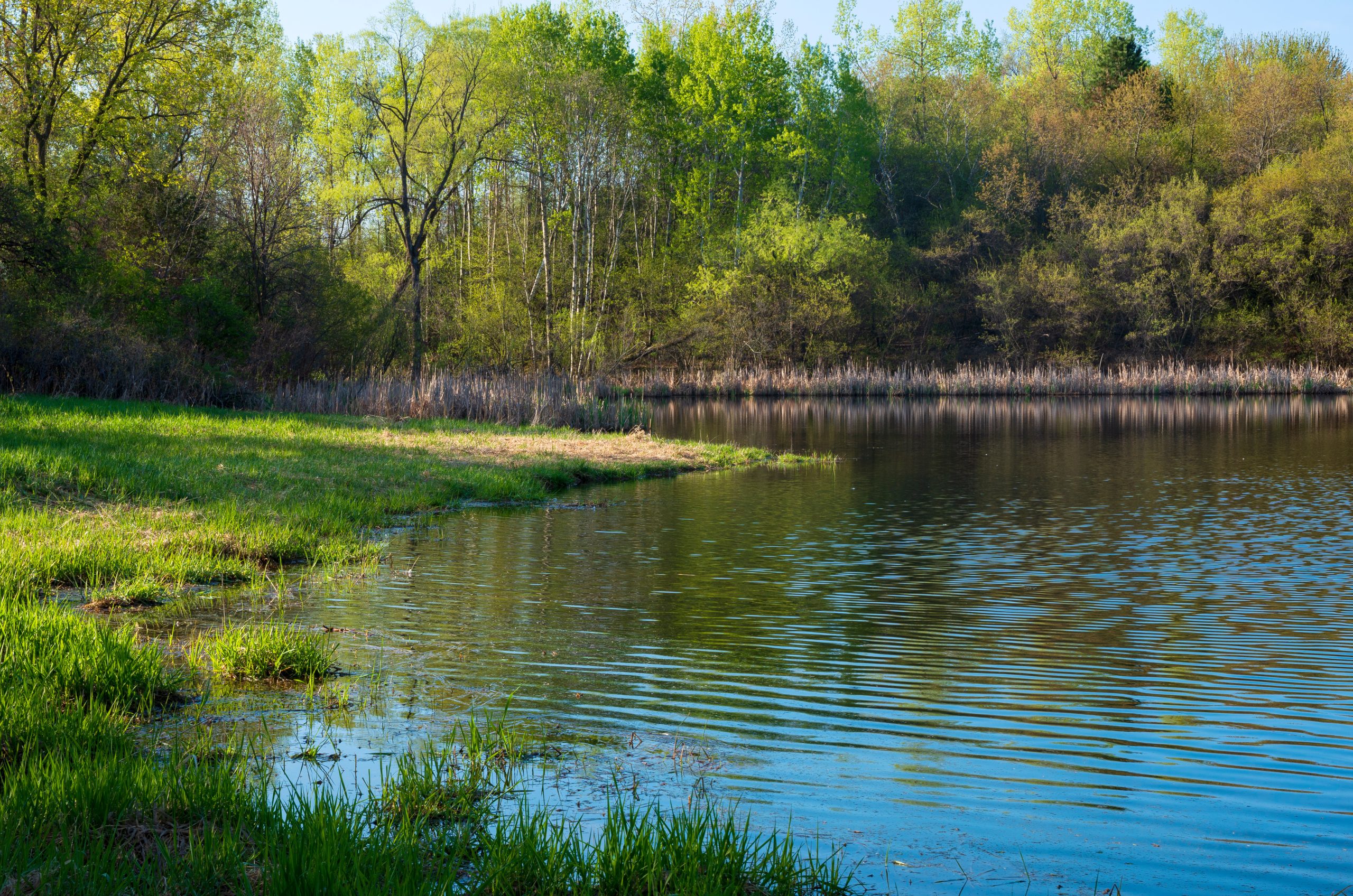
Pond getting too shallow? Learn why it’s happening and explore dredging, aeration, and redesign options. Get expert tips and request a custom plan today. Act now.
If your pond is getting too shallow, you are not alone. Across Wisconsin, many ponds slowly fill in with sediment and organic muck. The water gets warmer, weeds spread, and fish habitat declines. The good news is you have options. From dredging and reshaping to aeration and shoreline protection, the right plan can restore depth and make your water healthier. RLP Diversified, Inc has been helping property owners build, restore, and maintain ponds since 2000. This guide explains why ponds get shallow, how to diagnose the cause, and what steps can bring your pond back to life.
Why Ponds Get Too Shallow
Natural Sedimentation Over Time
Every pond gradually collects silt, clay, leaves, and organic debris. Streams, stormwater, and wind carry small particles that settle on the bottom. Over years, this sediment builds up into soft muck. As the water column shrinks, sunlight reaches more of the bottom and encourages weed growth. If your pond is getting too shallow even without visible erosion, slow but steady sedimentation is often the reason.
Runoff and Erosion in the Watershed
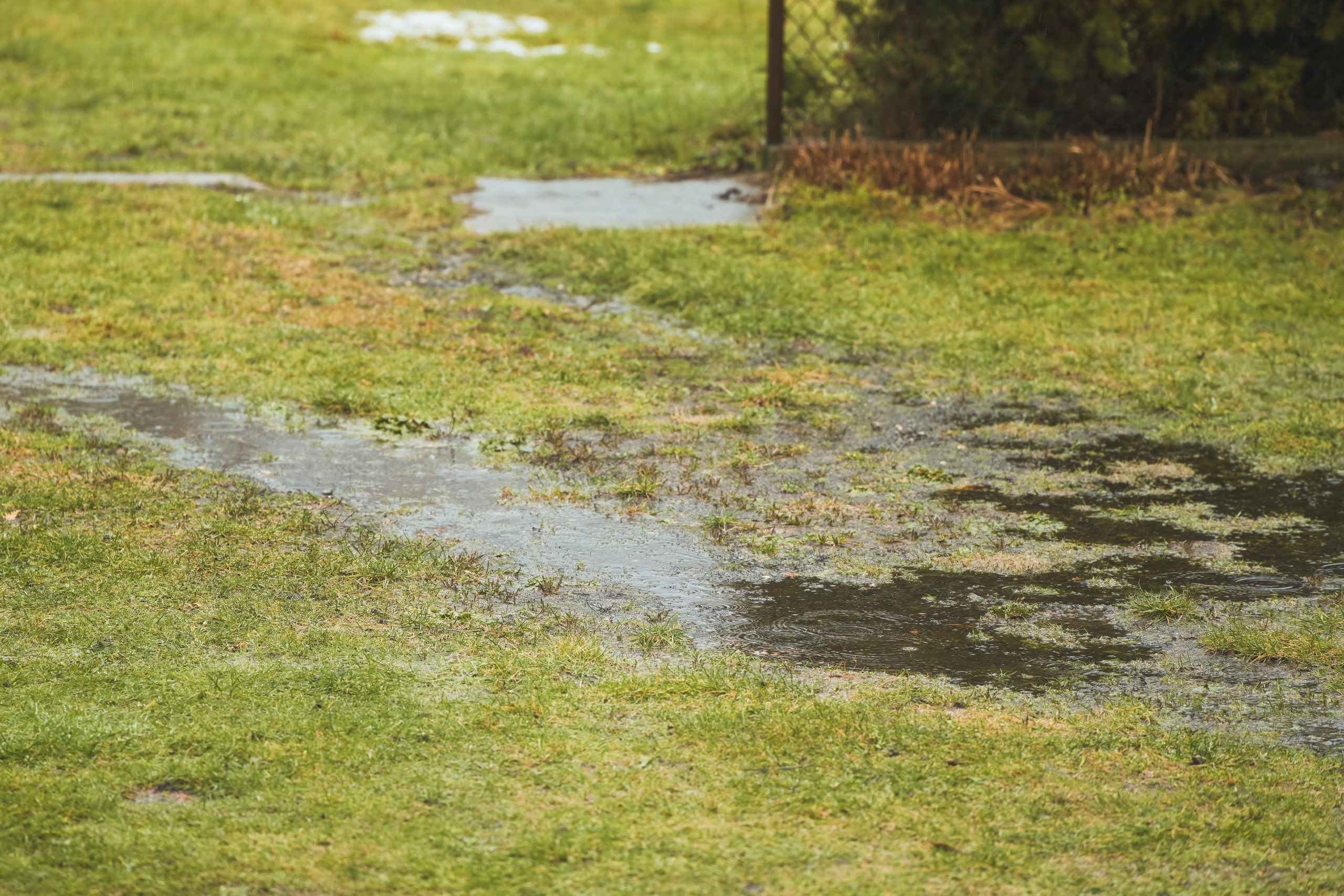
The land that drains to your pond is called the watershed. Exposed soil, steep slopes, gravel driveways, construction sites, and farm fields can wash large amounts of sediment into your water. After heavy rains, muddy inflows are a clear warning. If your pond started getting shallow soon after a nearby project or land use change, watershed erosion is likely the main driver.
Nutrient Buildup and Plant Overgrowth
Fertilizers, lawn clippings, and pet waste can add nutrients to the water. These nutrients feed algae and aquatic plants. When algae and plants die, they sink and decay into more muck. This cycle accelerates if there is low oxygen near the bottom. If your pond is getting too shallow while algae blooms or cattails are spreading, nutrients may be a big part of the problem.
Water Level Drops vs. Lost Depth
Sometimes a pond appears shallow because the water level drops during drought or because an outlet is set too low. In this case, the bottom may still be deep, but less water is being held. Look for exposed shoreline and stable, hard bottom in deeper areas. If the water level is low but depth returns after rains, your issue may be water supply, not sediment. A professional evaluation by RLP Diversified, Inc can clarify the difference.
How to Tell If Your Pond Is Getting Too Shallow
Simple Checks You Can Do
- Use a marked pole or rope with a weight to take depth readings at several points.
- Track water clarity with a homemade Secchi disk to see if clarity declines over time.
- Walk the shoreline and note spreading cattails, lilies, or algae mats.
- Push a stick into the bottom to feel how much soft muck sits above firm soil.
- Notice if fish struggle in late summer or winter, which can signal low oxygen in shallow water.
Professional Assessments That Help
- Bathymetric mapping to measure current depth and calculate sediment volume.
- Watershed walk to identify erosion hotspots and inflow channels.
- Soil and sediment sampling to plan the right dredging and disposal method.
- Shoreline stability review to find undermined banks or failing seawalls.
RLP Diversified, Inc offers pond assessments across Wisconsin, from Milwaukee and Waukesha to Madison, Racine, Mequon, Kenosha, and Green Bay. Our team uses proven methods to give clear data and practical recommendations.
Your Options to Restore Depth
Mechanical Dredging
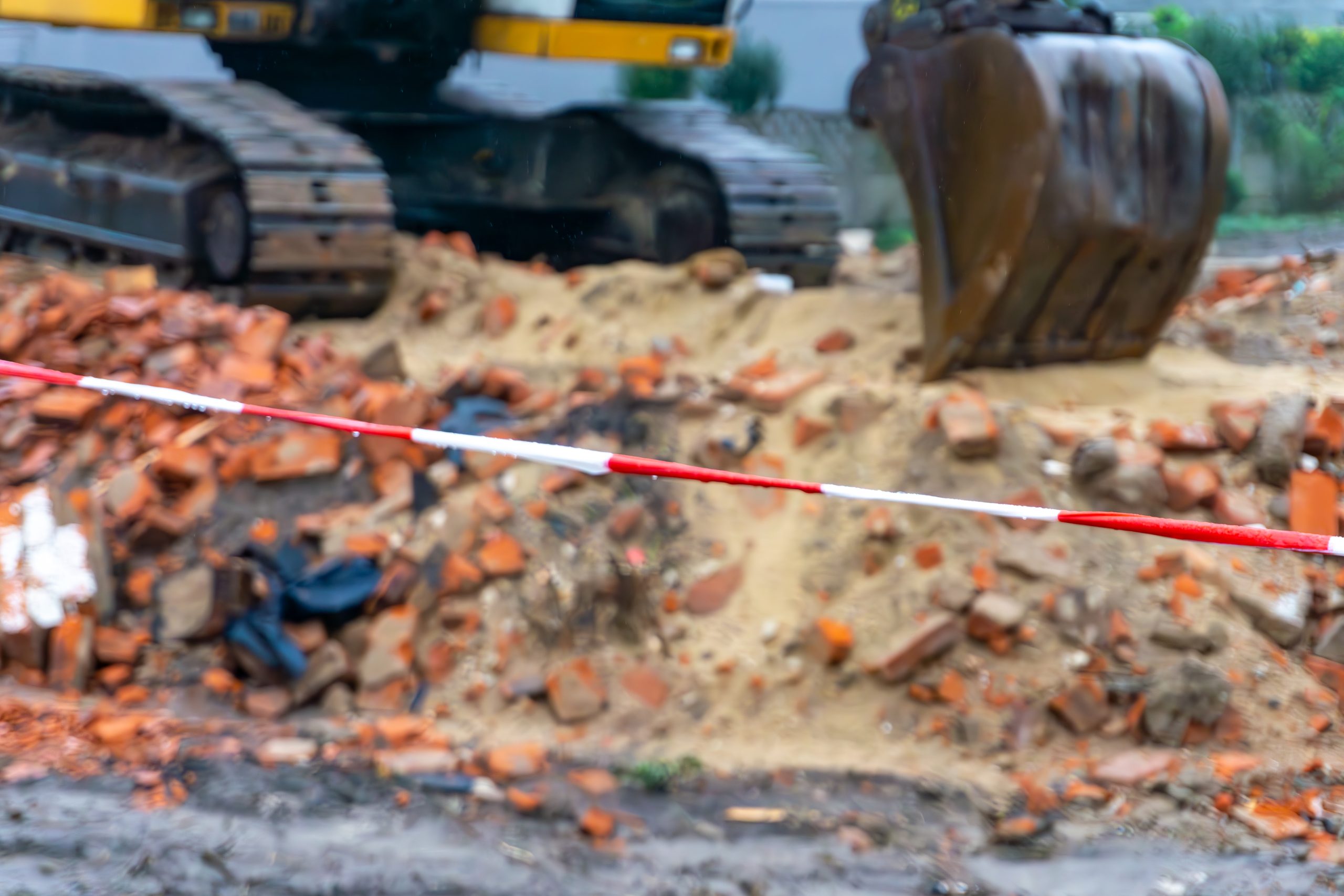
Mechanical dredging uses excavators to remove sediment. Material is dug from the shoreline or from within a drained pond, then hauled away or placed in a drying area onsite. This method is effective when sediment is thick and access is good.
- Best for ponds with firm access and space to stockpile or load trucks.
- Works well during drawdown or in winter when the ground is frozen.
- Allows targeted deepening and reshaping near docks and shorelines.
- Performed with reliable equipment from brands like Caterpillar, Bobcat, and New Holland, which RLP Diversified, Inc operates daily.
Hydraulic Dredging
Hydraulic dredging uses a floating pump to vacuum soft sediment as a slurry. The mixture is piped to a dewatering area or geotextile bags. Water drains back while solids remain.
- Good for removing soft organic muck without draining the pond.
- Useful when access is limited or when sensitive shorelines need protection.
- Requires a suitable dewatering site and proper piping routes.
- Reduces disturbance to surrounding landscapes and established habitat.
Winter Dredging on Ice
In Wisconsin, frozen conditions can help. With proper ice thickness and safety planning, crews can access the pond surface and remove sediment or reshape areas. Winter work minimizes soft ground damage around the site and can speed up schedules when the rest of the site is dormant.
Full Pond Rehabilitation and Redesign
Sometimes a pond benefits from more than dredging. A strategic redesign can slow future sediment, improve water quality, and make maintenance easier. RLP Diversified, Inc can drain, reshape, and rebuild ponds to meet long-term goals.
- Deepen the main basin to create cooler refuge for fish.
- Add a forebay near inlets to trap silt before it reaches the main pond.
- Construct shelves for native plantings that stabilize banks.
- Install a lined outlet or control structure to manage water levels.
- Create access points for future maintenance, such as a stable ramp.
- Place rock, islands, or habitat structures for fish and wildlife.
Aeration and Muck Reduction
Aeration improves oxygen levels, which supports beneficial bacteria and reduces odors. It also helps break down organic material more efficiently. Aeration does not remove sand or silt, but it can slow organic muck buildup and keep water healthier after dredging.
- Bubbler or diffuser systems for deep aeration.
- Decorative fountains for surface circulation and visual appeal.
- Best when paired with nutrient management and watershed controls.
Watershed Controls to Slow Future Sediment
Stopping sediment at the source is the best way to keep your pond from getting too shallow again. A small investment upstream can save major dredging costs later.
- Stabilize bare soil with seeding, erosion blankets, and mulch.
- Add silt fences or wattles during construction projects.
- Build vegetative buffers around shorelines and along inflow ditches.
- Install check dams or rock riffles to slow water and drop out silt.
- Divert clean water around exposed areas to reduce erosion.
- Maintain gravel driveways to prevent washouts.
Shoreline Protection and Stabilization
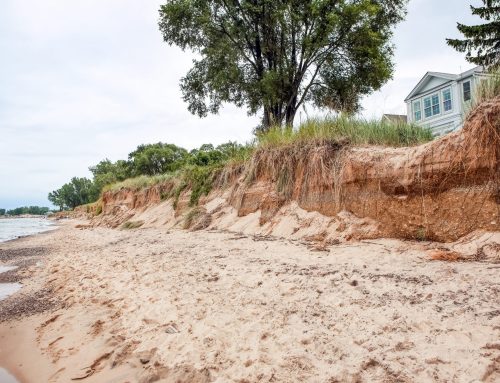
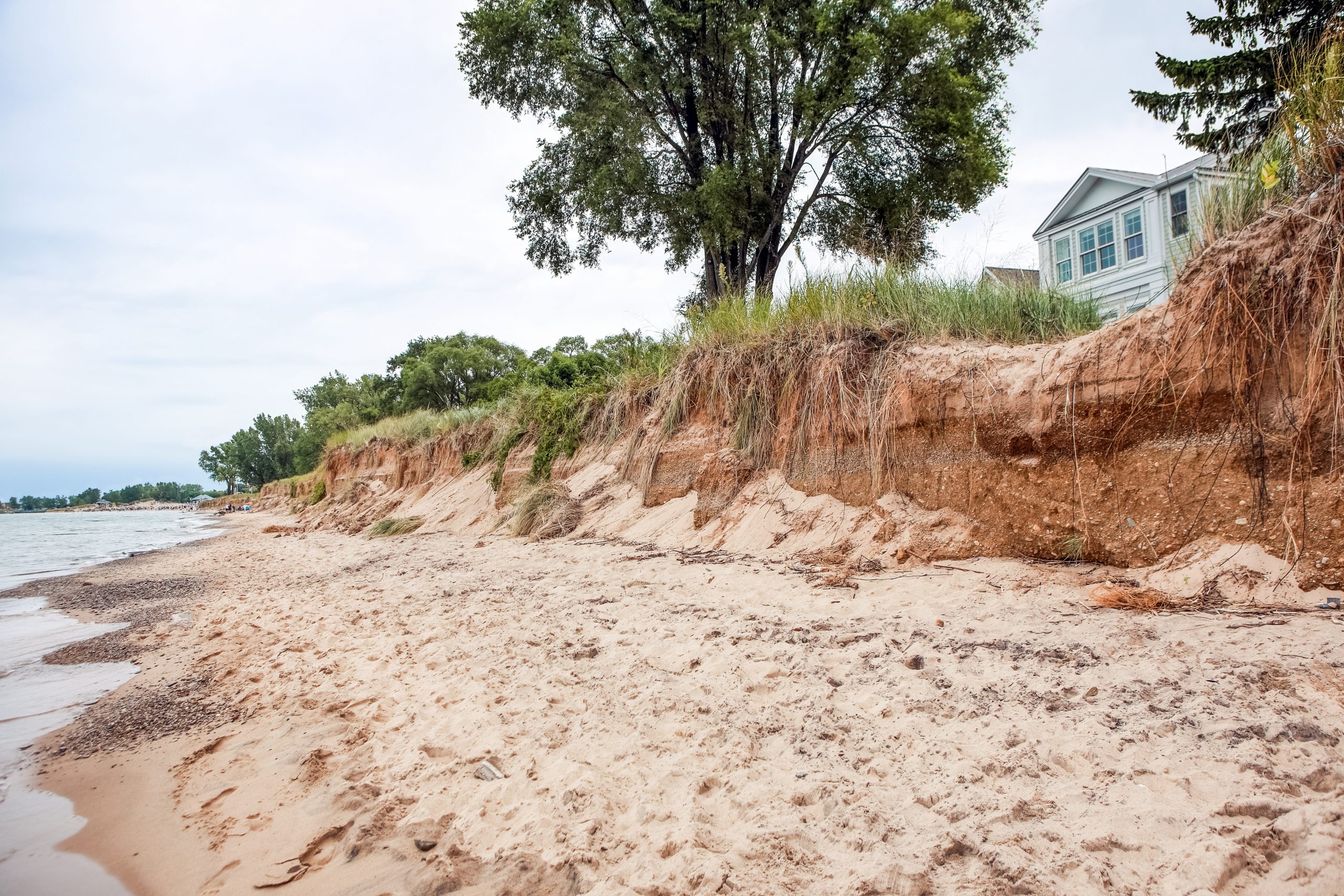
Failing seawalls, undercut banks, and steep shoulders send sediment into the pond. RLP Diversified, Inc can remove old seawalls and build stable shorelines that last.
- Armor with well graded rock riprap set on fabric underlayment.
- Use bioengineering with coir logs and native plants where possible.
- Regrade banks to a gentle slope for easier maintenance.
- Add access paths that resist erosion and allow equipment when needed.
Permits, Timing, and Environmental Considerations in Wisconsin
Pond work often requires review from local and state agencies. The exact permits depend on your location, pond type, and scope. In Wisconsin, some projects may need coordination with the Department of Natural Resources and local municipalities. Wetland connections, navigable waters, or stream inlets can add steps. RLP Diversified, Inc helps clients navigate permitting by providing drawings, volumes, and methods that meet regulatory requirements.
Timing matters. Work windows may be influenced by fish spawning seasons, migratory birds, or site access conditions. Many pond owners choose winter or late summer when water levels are low and ground conditions are stable. Our team schedules grading and excavating to reduce impacts, protect habitat, and keep your project on track.
What to Expect During Dredging
- Assessment and Plan: We evaluate depths, sediment volumes, access points, and disposal options. You receive a clear plan with methods and schedule.
- Site Preparation: We set up access, erosion controls, and dewatering areas. If needed, we lower water levels in a controlled way.
- Sediment Removal: Using excavators, loaders, pumps, and trucks, we remove sediment safely and efficiently.
- Dewatering and Disposal: Material dries onsite or is hauled to an approved location. Clean sediment may be reused for landscaping or fill as allowed.
- Shaping and Stabilization: We regrade banks, install riprap or plantings, and clean up access routes.
- Final Walkthrough: Together we inspect the work and discuss maintenance steps to protect your investment.
Cost, Timeline, and Planning Factors
Every pond is unique, so costs vary. The main drivers are sediment volume, method, access, haul distance, disposal needs, and shoreline stabilization. A small spot dredge near a dock is much different than a full pond rehabilitation. Many residential dredging projects take one to three weeks once permits and dewatering areas are ready. Larger sites can take longer. The earlier you plan, the more options you have to schedule around weather and to pair pond work with other grading tasks for savings.
RLP Diversified, Inc offers complete grading, earthmoving, and aggregate delivery. If your project needs topsoil, sand, stone, gravel, or limestone, we deliver. If your site needs demolition, drainage improvements, or access roads, our team handles that too. Bundling services can streamline your schedule and reduce overall cost.
Maintenance Plan to Keep Your Pond Deep
Annual Checklist
- Inspect inflow points and clean out forebays before spring rains.
- Check shoreline plants and repair thin spots with natives.
- Skim leaves and remove dead vegetation before it sinks.
- Service aeration systems and confirm airflow and coverage.
- Walk the watershed after big storms and fix erosion quickly.
Every 3 to 5 Years
- Survey depths at a few fixed points to watch for sediment buildup.
- Refresh gravel on driveways and check culverts for washouts.
- Trim woody growth that can destabilize banks.
Long Term
- Plan minor sediment removals at inflow areas to avoid large dredges later.
- Keep fertilizers and grass clippings away from the water’s edge.
- Maintain a diverse buffer of native grasses and flowers along the shoreline.
Why Work With RLP Diversified, Inc
RLP Diversified, Inc is a Burlington, Wisconsin contractor with deep experience in pond excavating, grading, and shoreline protection. Founded in 2000 and expanded in 2013 with Andy’s Excavating, we serve the entire state. Our crews operate Caterpillar, Bobcat, and New Holland equipment daily, which means the right machine is on your site at the right time. We bring the aggregates, build the access, perform the dredging, and stabilize the shoreline. You get a single, accountable team known for quality and safety.
Beyond ponds, we handle road grading, earthmoving, demolition, site cleanup, and concrete recycling. If your property needs a new driveway, parking lot prep, or foundation excavation tied to your pond project, we can do it. That integration reduces headaches and helps your project finish faster.
Frequently Asked Questions
Will aeration fix a pond getting too shallow?
Aeration improves water quality and can slow organic muck accumulation. It will not remove sand and silt already in the pond. For many sites, the best plan is dredging to remove excess sediment, paired with aeration and watershed controls to keep the pond healthy afterward.
Can you dredge without draining the pond?
Yes. Hydraulic dredging can remove soft sediments while the pond remains full. Mechanical dredging can also be done from the shoreline or from temporary access points in shallow areas. The best method depends on material type, depth, and access.
What happens to the fish during dredging?
We work with owners to protect fish. Options include phasing work, partial drawdowns, working in segments, or scheduling during cooler months. For full rebuilds, fish can be relocated when possible. The plan depends on your goals and the scope of work.
How often will I need to dredge?
With good watershed management and a properly designed forebay, many ponds go decades before needing major dredging again. Without upstream controls, sediment can accumulate faster. Regular inspections and minor cleanouts extend the timeline.
Can you work in winter?
Yes. Winter is often a great time for pond work in Wisconsin. Frozen ground improves access, and sensitive landscapes are protected. Winter schedules fill fast, so early planning is smart.
A Step by Step Plan for a Pond Getting Too Shallow
- Schedule a site visit with RLP Diversified, Inc to assess depth, sediment, access, and goals.
- Decide on the best method, whether mechanical, hydraulic, or a hybrid with targeted forebay work.
- Design shoreline protection and watershed controls to stop future sediment.
- Prepare permits and a clear timeline that works with seasonal conditions.
- Execute dredging and reshaping, stabilize banks, and install aeration if needed.
- Adopt a simple maintenance plan and regular checkups to protect your investment.
Realistic Results You Can Expect
After dredging or redesign, you should see deeper water, cooler temperatures, clearer views down the water column, healthier fish, and easier maintenance. Shorelines will resist erosion, and inflow areas will be easier to clean. With a good buffer of native plants and improved watershed practices, the pond will hold its depth much longer.
Serving All of Wisconsin
From Milwaukee and Waukesha to Madison, Racine, Mequon, Kenosha, and Green Bay, RLP Diversified, Inc delivers pond excavating, grading, aggregate trucking, and demolition services statewide. Whether you need a small cleanout near a dock or a full pond rebuild with shoreline protection, our team has the people, equipment, and experience to do the job right.
Get a Custom Plan for Your Pond
If your pond is getting too shallow, the best time to act is now. Depth loss compounds the longer you wait, and costs can rise. RLP Diversified, Inc will evaluate your site, explain options in plain language, and create a practical plan that fits your budget and schedule. Reach out today to start the conversation and bring your pond back to the depth and clarity you want.
Your pond can be a long lasting asset for recreation, habitat, and property value. With smart planning, quality excavating, and ongoing care, it will stay that way. RLP Diversified, Inc is ready to help you make that happen.

Leave A Comment