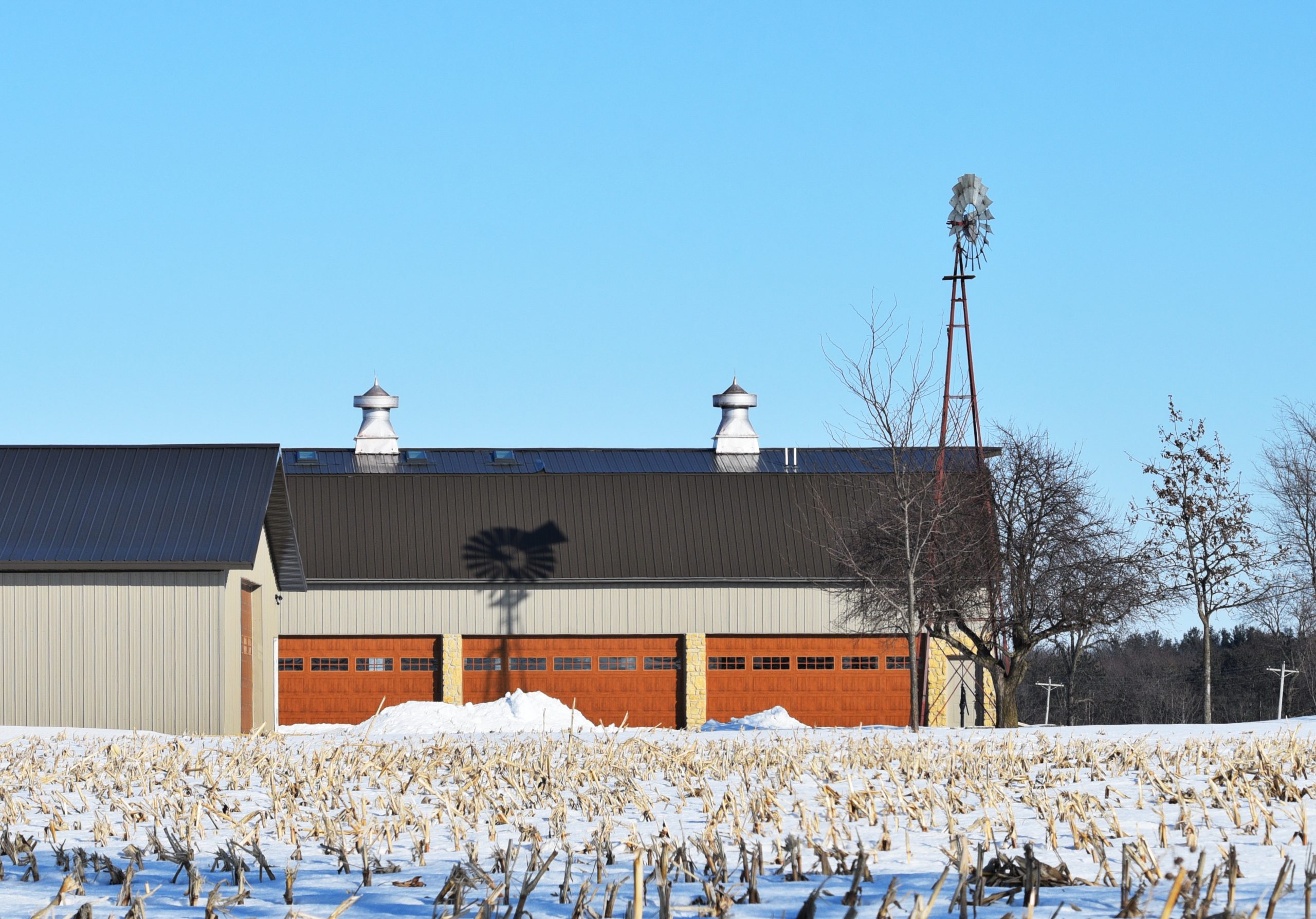
Why Your Pole Barn or Shop Pad Feels Spongy and Stays Muddy
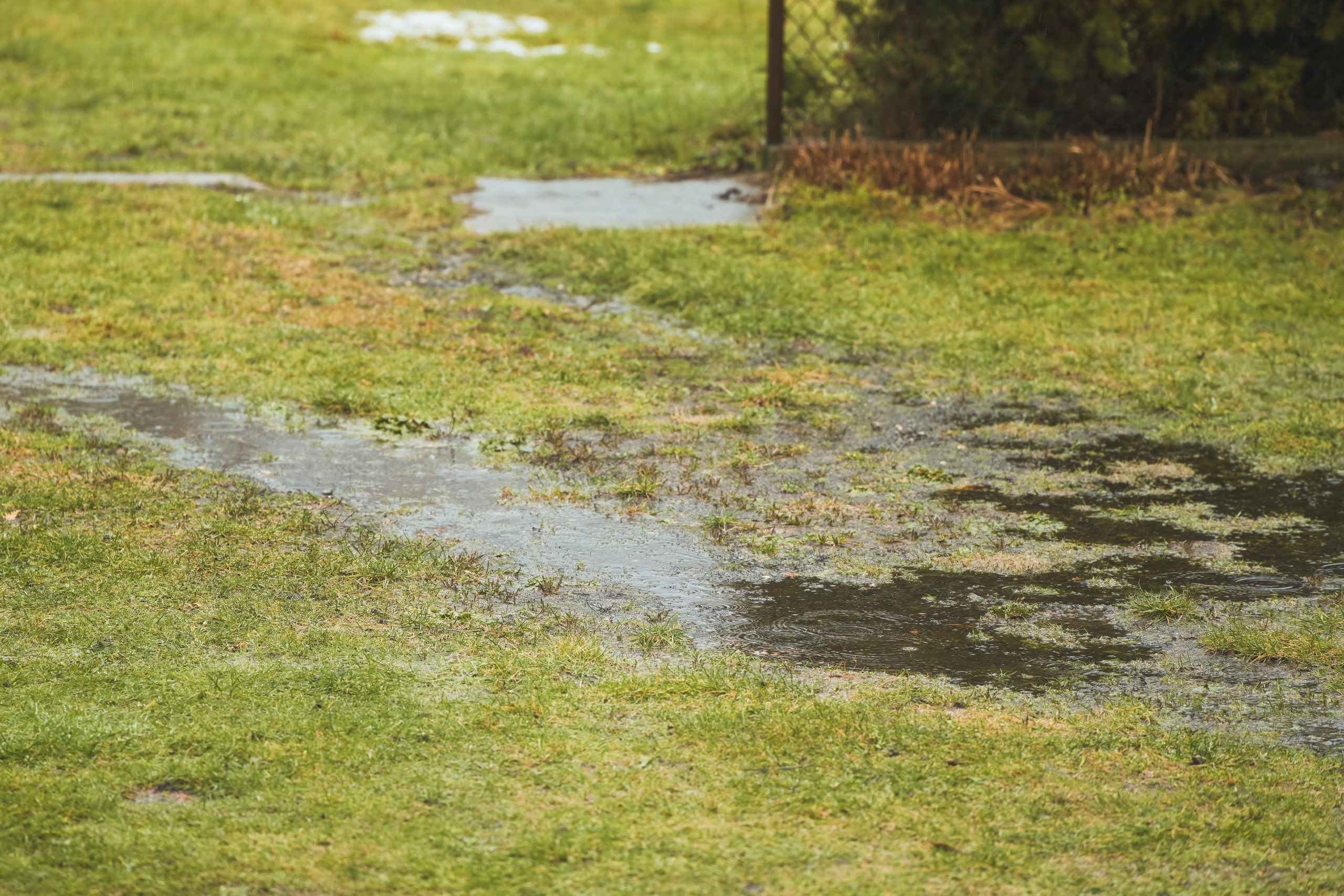
If your pole barn or shop pad feels soft underfoot, collects water, or pumps mud when you drive over it, you are not alone. Many property owners in Wisconsin deal with soggy, unstable building pads that never seem to dry out. Pumping happens when water and fine soil move up through the base as traffic loads press down. The pad feels spongy, ruts form fast, and the surface breaks down. Left alone, this problem can ruin floors, heave concrete, and shorten the life of your structure.
The good news is that the right construction grading services can stop pumping, shed water away from the site, and build a stable foundation. RLP Diversified, Inc brings proven grading and excavating methods to keep your pad firm and dry through every season.
Common Causes of Pumping and Muddy Pads in Wisconsin
Understanding the root causes makes it easier to fix the problem for good. In our region, several factors often work together to create a wet, unstable pad.
- High water table and slow draining soils like clay and silt
- Flat or reverse slopes that trap water around the pad
- Roof runoff that discharges right next to the building
- Thin or poorly graded aggregate base with too many fines
- Lack of geotextile fabric to separate soil from the stone base
- Insufficient compaction or compaction at the wrong moisture level
- Freeze and thaw cycles that loosen soil and pump water upward
- Heavy traffic before the base is set or before soils are dry enough
Any one of these can cause trouble. Together they can make a pad unusable for weeks after a rain. That is why a complete site approach is vital. Smart design, quality earthwork, and proper drainage work as a system to keep your building pad stable.
How Construction Grading Services Solve Pumping and Mud
Professional construction grading services do much more than move dirt. The goal is to shape the site, protect the subgrade, and manage water so your pad has a solid, long lasting base. Here is how RLP Diversified, Inc approaches these projects.
Site Evaluation and Soil Testing
Every site is different. We start by walking the site, checking elevations, and looking at soil type and moisture. When needed, we recommend simple soil tests and a proof roll to locate soft zones. This tells us how much undercut or stabilization the site needs and where drainage improvements will deliver the biggest gain.
Regrading for Positive Drainage
Water is always looking for a place to go. We create a clear path away from your building pad with gentle slopes that move water to ditches, swales, or a discharge point. A mild crown or a 1 to 2 percent fall around the pad is usually enough to guide runoff without causing erosion.
Installing Surface and Subsurface Drains
When surface grading alone is not enough, we add drains. Options include perimeter swales, French drains with perforated pipe and washed stone, and underdrain lines beneath the pad. We size the drain and outlet it to daylight or a proper basin so water does not return to the building area.
Geotextile Fabric Separation
One of the fastest ways to stop pumping is to separate the native soil from the aggregate base. A high quality geotextile fabric keeps fines from migrating up while allowing water to pass through. This fabric spreads loads, increases bearing capacity, and reduces how much stone you need to build a stable pad.
Proper Aggregate Base Selection and Placement
Not all stone bases are equal. For muddy sites, we use well graded aggregate with enough fractured edges to lock in place. A layered approach often works best. We place a bridge lift of larger stone to stiffen the area, then add a dense graded layer to create a tight, smooth surface. Each lift is placed at the right thickness and compacted to spec.
Compaction at the Right Moisture
Compaction is only as good as the moisture content. We dry or moisten the subgrade and base as needed to reach target density. Proof rolling confirms that the pad is firm and uniform, not just on the surface but through the full depth. This step is critical for long term performance.
Lime or Cement Stabilization When Needed
In some clay rich sites, chemical stabilization with lime or cement can transform weak soils into a stable base. This process dries wet soil, reduces plasticity, and boosts strength. It is a cost effective upgrade when undercut alone would be too deep or hauling costs are high.
Managing Roof and Surface Runoff
Even a perfect pad will fail if roof water dumps at the edges. We plan for gutters, downspouts, and extensions that carry water at least 10 feet away from the building. Where flow is heavy, we connect downspouts to buried pipe and daylight them to a safe discharge point.
Seasonal Strategies for Wisconsin Weather
Our freeze and thaw cycles demand extra care. We time excavation to avoid trapping water under the base. We protect subgrade during rainy spells. In winter work, we prevent frost from getting locked into the base and avoid placing fill on frozen ground. These steps protect your investment and keep the pad from breaking apart in spring.
A Step by Step Plan RLP Diversified, Inc Uses to Fix Pumping Pads
- Evaluate the site. Check grades, observe drainage paths, and identify soft zones with a proof roll.
- Plan the fix. Select a drainage strategy and base design that fits soil conditions and your use of the building.
- Strip and undercut. Remove topsoil and any pumping, saturated subgrade. Replace with suitable fill where needed.
- Install geotextile. Lay fabric across the subgrade to separate soil from aggregate and prevent fines from migrating.
- Place aggregate in lifts. Use a bridging layer if the site is wet, then add dense graded stone for a tight surface.
- Compact each lift. Achieve proper density at the right moisture content. Verify with proof rolling.
- Shape slopes. Establish a crown or gentle slopes that move water away from the building perimeter.
- Add drains if required. Install French drains or underdrains and connect to daylight or a basin.
- Control roof runoff. Plan gutters, downspouts, and extensions or connected piping to carry water away.
- Finish grade and protect. Finalize grades, add topsoil and seed where needed, and prevent sediment from washing back onto the pad.
Budget Friendly to Premium Solutions
There is more than one way to stop pumping and mud. The right choice depends on soil conditions, your budget, and how you use the space. Here are common packages we deliver through our construction grading services.
Essential Fix
- Regrade for positive drainage around the pad
- Geotextile fabric under a new aggregate lift
- Dense graded base compacted to spec
- Downspout extensions placed on the surface
Standard Upgrade
- Perimeter swales or surface drains to carry water away
- Layered aggregate with bridging stone if subgrade is soft
- Proof rolled compaction with documented pass results
- Buried downspout lines to daylight
Premium Package
- Underdrain system beneath the pad with filter fabric and washed stone
- Chemical stabilization for clay rich subgrade
- Concrete or asphalt apron at doors to prevent edge rutting
- Erosion control, seeding, and a gravel tracking pad to keep mud off driveways
Practical Tips to Keep Your Building Pad Dry
Small changes make a big difference in performance. Use these tips to keep your site firm and clean.
- Keep gutters clean and make sure downspout extensions stay connected
- Avoid driving heavy equipment on the pad when it is waterlogged
- Touch up grades each spring to maintain slope away from the building
- Add a stone tracking pad at entries to limit mud pumping
- Seed and mulch disturbed areas so rain does not wash soil back onto the pad
Why Choose RLP Diversified, Inc for Construction Grading Services
RLP Diversified, Inc has helped Wisconsin property owners build and protect stable building pads since 2000. Based in Burlington, Wisconsin, our team combines the experience of two respected firms. In 2013, we expanded our capabilities when we integrated Andy’s Excavating. Today, we deliver full service grading and excavating solutions with a focus on quality and honest communication.
We use well maintained equipment from trusted brands like Caterpillar, Bobcat, and New Holland. This gives us the power and precision to handle everything from small barn pads to large commercial sites. Our crews understand local soils, seasonal weather, and the best techniques to stop pumping for good.
Comprehensive Services Under One Roof
When you call RLP Diversified, Inc you get more than a grading contractor. We offer a broad mix of services that keep your project on schedule and on budget.
- Aggregate and trucking for topsoil, fill, sand, stone, gravel, and limestone
- Grading and earthmoving, including rough and finish grading for roads and building sites
- Pond excavating and shoreline protection, including removal of old seawalls
- Excavating for foundations, parking lots, shorelines, and irrigation ponds
- Demolition of buildings and concrete with site cleanup and recycling
By handling trucking, excavation, grading, and drainage in house, we control quality at every step. That means fewer delays and a pad that performs.
Service Area Across Wisconsin
RLP Diversified, Inc serves the entire state of Wisconsin. We are active in Milwaukee, Waukesha, Madison, Racine, Mequon, Kenosha, Green Bay, and many surrounding communities. If your pole barn or shop pad is pumping or muddy anywhere in Wisconsin, our team is ready to help.
Frequently Asked Questions
What does pumping mean on a building pad?
Pumping happens when water and fine soil are forced up through the base under wheel loads or foot traffic. The surface feels soft, wet spots appear, and ruts form. It is a sign that the subgrade or base is holding water and needs better drainage and separation.
Can I fix a muddy pad by just adding more gravel?
Sometimes more gravel helps, but it often sinks into the mud and the problem returns. The long lasting fix usually includes geotextile fabric to separate soil and stone, a proper drainage path, and compaction at the right moisture. Our construction grading services address all three.
How thick should the aggregate base be?
Thickness depends on soil strength and loads. Many barn and shop pads perform well with 8 to 12 inches of dense graded base, placed in compacted lifts. Soft soils or heavy use may require a bridging layer first. We size the base after a site visit and proof roll.
Do I need drains if I already have gutters?
Gutters help, but downspout water must be routed away from the building. Surface extensions work for light flows. Buried pipes and French drains handle higher volumes and protect the pad in big storms or spring melts.
When is the best time to fix a pumping pad?
Late spring through fall usually works best because soils are easier to dry and compact. In winter, with the right plan, we can still work while preventing frost from getting locked into the base. We schedule tasks to match weather and soil conditions.
How long does it take to rehabilitate a pumping pad?
Small pads can be corrected in a few days once materials are on site. Larger or more complex sites may take a week or more, especially if underdrains or stabilization are needed. After an evaluation, RLP Diversified, Inc provides a clear timeline.
What to Expect During Your Project
Clear steps lead to a smooth build. When you choose our construction grading services, you can expect a simple process.
- We discuss your goals, issues, and budget.
- We visit the site, perform a proof roll, and take basic measurements.
- We propose a plan with options, from essential fixes to premium solutions.
- We schedule the work around weather and your operations.
- We deliver the pad, drains, and finish grading as promised, then walk the site with you.
You will get straight answers, written scope details, and a clean site when we finish.
Real World Results From Thoughtful Grading
It is common to see a pad go from spongy and muddy to firm and clean within days once the right steps are in place. The difference is in the details. Proper slopes, a clean separation layer, the correct aggregate blend, and controlled runoff work together. When we combine those with careful compaction, the pad resists rutting, drains fast, and stands up to daily use.
Protect Your Investment With Preventive Care
After your pad is rebuilt, a few preventive steps keep it performing.
- Inspect after big storms and touch up any washed areas
- Keep the stone surface dressed, especially where vehicles turn
- Extend downspouts before winter to avoid ice buildup at the edges
- Plant grass in disturbed areas to stabilize soils
- Keep heavy loads off the pad during spring thaw when possible
Get a Free Quote From RLP Diversified, Inc
If your pole barn or shop pad keeps pumping or turns to mud, you do not have to fight it every season. RLP Diversified, Inc brings proven construction grading services to diagnose the cause, correct drainage, and build a long lasting base. From geotextile separation and aggregate design to underdrains and final grading, we deliver a complete fix tailored to your site.
Contact RLP Diversified, Inc today for a free quote and a clear plan to stop pumping and protect your building. We serve customers across Wisconsin, including Milwaukee, Waukesha, Madison, Racine, Mequon, Kenosha, and Green Bay. Let us put our experience in grading, excavating, and drainage to work for you so your pad stays firm, clean, and ready for use.



Leave A Comment