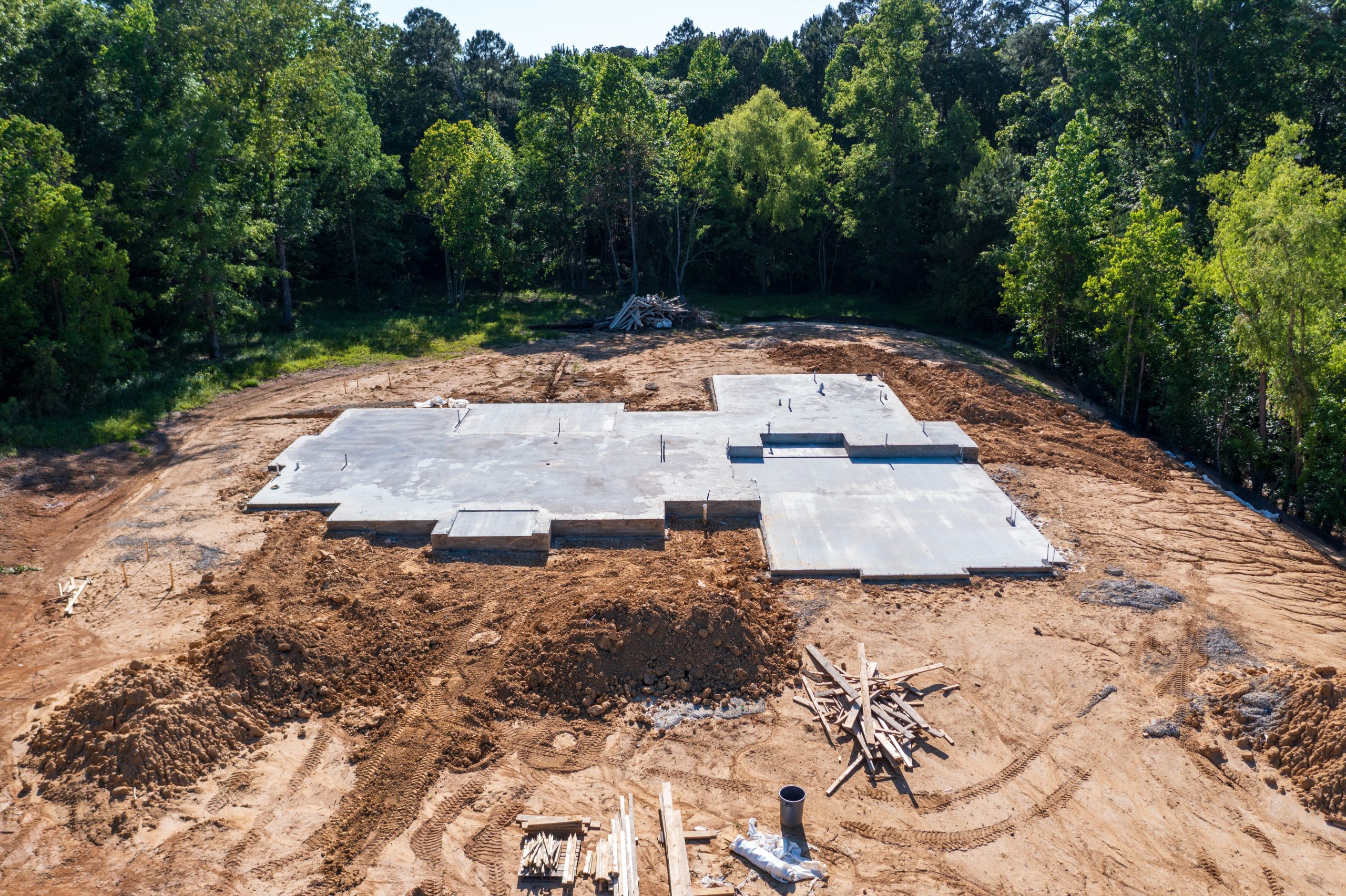
If the ground around your home leans toward the basement instead of away from it, you are dealing with negative grade. That small tilt can create big problems. Water follows the path of least resistance. When the grade slopes toward your foundation, water gathers against the wall, saturates the backfill, and builds pressure that can force moisture through cracks and seams. Over time, this can damage finishes, weaken concrete, and invite mold. The good news is that proper grading and backfill repair can prevent these issues and protect your home. In this guide, grading and leveling contractors explain how negative grade causes trouble, what to watch for, and the steps to fix it for good.
What It Means When the Grade Slopes Toward Your Basement
Grade is the slope of the ground next to your foundation. Building codes and best practices call for the soil around a home to slope away from the walls. A general rule of thumb is at least 6 inches of drop within the first 10 feet from the foundation, though every site is unique. When the ground slopes the wrong way, even by a small amount, it channels stormwater toward the basement instead of away from it. This creates a wet zone against the wall that can lead to seepage and structural stress.
Backfill is the soil placed around a foundation after walls are built. Good backfill drains well and is compacted in layers. Poor backfill holds water, settles unevenly, and often creates low spots that funnel runoff toward your home. That is how a small grading mistake can become a serious basement issue.
Why Foundation Backfill Fails Over Time
Backfill rarely stays the same after construction. It is common for the soil to settle during the first few seasons, which can flip a once-healthy slope into a negative grade. Several site conditions can make the problem worse.
- Uncompacted fill that shrinks and sinks after rain or snowmelt
- Clay-rich soils that swell when wet and shrink when dry
- Gutters that overflow or downspouts that discharge near the wall
- Heavy foot traffic or equipment near the foundation edge
- Poorly placed landscaping beds that trap water against the house
- Driveways, patios, or walks that tilt toward the foundation
Once negative grade forms, water starts to pool against the foundation, often creating cycles of erosion and settlement that make the slope even worse. Early correction is the best way to stop that feedback loop and protect the structure.
What Can Go Wrong When Water Flows Toward Your Basement
Water near the foundation is more than a nuisance. It is a major risk factor for building performance and indoor air quality. Here is what grading and leveling contractors see when grade slopes toward a basement.
- Hydrostatic pressure that pushes water through hairline cracks and cold joints
- Mold and mildew from damp walls and high indoor humidity
- Efflorescence, the white powdery deposits that show moisture migration
- Peeling paint, spalling concrete, and damaged finishes
- Heaving or movement in slabs and stoops next to the house
- Frost-related movement where saturated soil expands during winter
- Wood rot in sill plates and framing near persistent moisture
- Pest activity drawn to damp soil and hidden entry points
Basement waterproofing alone cannot overcome bad grading. A sump pump helps manage water that gets inside, but the first line of defense is to direct water away from the house with proper slope and drainage.
Warning Signs You Need Professional Grading
Not sure if your yard is sending water toward your home? Look for these clues before and after a storm.
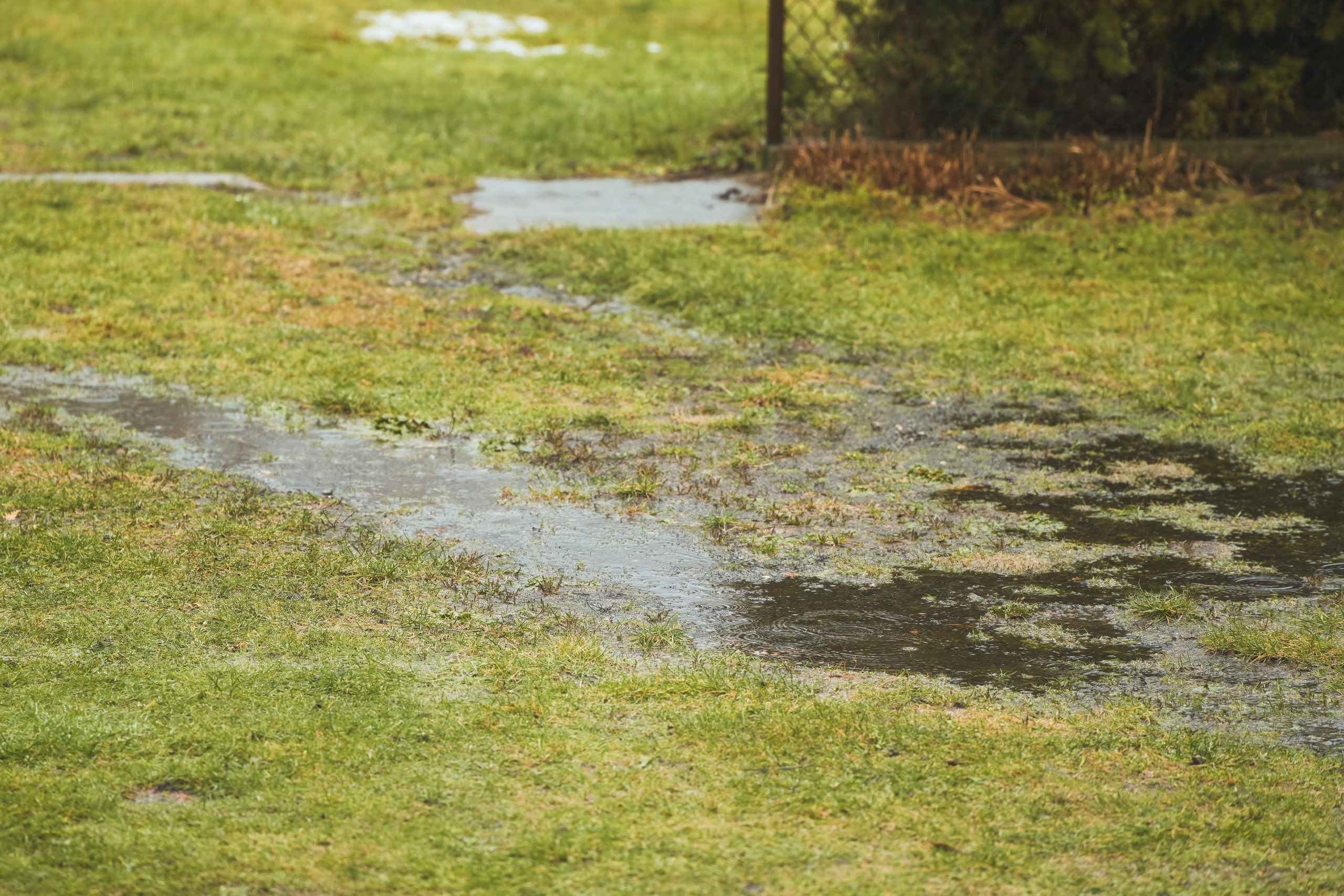
- Puddles that linger near the foundation or along the wall
- Visible slope toward the house or sunken soil next to the wall
- Musty odors, damp carpet, or peeling paint in the basement
- White powdery residue on masonry surfaces
- Gutter overflow, short downspouts, or eroded splash blocks
- Cracks near window wells or water inside the wells after rain
- Settled soil lines a few inches below the siding or exposed foundation
If you see more than one of these signs, bring in grading and leveling contractors to evaluate the site. A quick professional assessment can save you from larger repairs later.
How Grading and Leveling Contractors Fix Negative Slope
Every property is different, but the repair goals are the same. Reduce the amount of water reaching the foundation, lower the pressure against the walls, and create reliable drainage paths that move runoff away from the house. The process often follows a clear set of steps.
- Diagnose soil types, drainage patterns, and structural risks
- Move or bring in suitable fill and compact it in lifts
- Create a positive slope away from the foundation
- Add drainage features that fit the site and soil
- Stabilize surfaces with topsoil, seed, or stone
- Direct roof water far from the base of the wall
Step 1: Site Evaluation and Planning
A professional will assess grades with a laser or level, test soil behavior, and trace how water moves during storms. They will check gutter capacity, downspout discharge points, and potential obstructions like walks and retaining walls. This plan guides exactly how much soil must be moved and where to send water safely.
Step 2: Backfill Correction and Compaction
Effective backfill sheds water and stays put. Grading and leveling contractors often use clean granular fill near the wall and compact it in layers. This reduces settlement and keeps slope stable. Clay-heavy soil near the wall is usually avoided because it holds moisture. The goal is to create a firm, well-draining shoulder that does not sink after the next storm.
Step 3: Positive Slope Away From the House
The contractor shapes the surface so it pitches away from the foundation. In many yards this means adding several inches of soil near the wall and feathering it out over 8 to 10 feet. The actual amount depends on the site and any sidewalks or driveways. Where hard surfaces tilt the wrong way, they may need lifting or saw cuts and replacement to correct the direction of flow.
Step 4: Drainage Features That Prevent Rebound
Grading alone may not be enough on heavy soils or tighter lots. Common add-ons include shallow swales that carry water along property lines, French drains with perforated pipe set in gravel, and catch basins near downspouts. Window wells should have clean gravel and, where needed, a dedicated drain line to daylight or a sump connection installed by a qualified contractor.
Step 5: Surface Stabilization
Topsoil, seed, and erosion control blankets help lock the new grade in place while vegetation takes root. Stone or well-placed mulch can be used where grass will not thrive. Beds should sit slightly lower than the house side with a gap between mulch and siding to discourage moisture and insects.
Step 6: Roof Water Management
Downspouts should discharge well away from the foundation, often 6 to 10 feet or more. Extensions, buried lines to daylight, and larger gutters where needed will reduce the volume of water hitting the soil at the wall. This step is essential. Even perfect grading can be defeated by roof runoff that pours right back onto the foundation.
Best Practices When Building or Renovating
If you are planning new construction or a renovation that exposes the foundation, get the backfill and grading right the first time.
- Place backfill in layers and compact each lift to limit settlement
- Use well-draining material near the wall and avoid debris in backfill
- Install footing drains and protect them with proper filter fabric
- Waterproof the exterior wall and shield it with drainage board where appropriate
- Set the final grade to slope away from the house and confirm with a level
- Delay heavy landscaping until after the first season of settlement, then adjust grade as needed
These steps cost less when included during construction and pay off with dry, stable basements for years to come.
Landscaping Choices That Protect Your Foundation
Good landscaping supports good drainage. Avoid these common mistakes that undo careful grading work.
- Raised planter beds that trap water against the wall
- Edging that blocks surface runoff from leaving the area
- Dense shrubs planted too close to the foundation
- Mulch piled against siding or covering the weep screed
- Pavers or stones set flat or tilted toward the house
Keep a clear view of the first few inches of foundation, maintain at least several inches between soil and siding, and keep the surface open so water can move freely away from the home.
Why Work With Professional Grading and Leveling Contractors
DIY adjustments can help, but many yards need heavy equipment, precise measurements, and drainage systems that are installed correctly the first time. Professional grading and leveling contractors bring the tools, materials, and experience to shape the site safely and efficiently. They also understand local soils and weather patterns, which is important in a state like Wisconsin where freeze and thaw cycles magnify grading mistakes.
RLP Diversified, Inc: Wisconsin’s Trusted Team for Backfill and Grading
RLP Diversified, Inc is a Burlington, Wisconsin contractor with deep roots in grading and excavating. Established in 2000 and expanded in 2013 through the integration of Andy’s Excavating, the company provides a full lineup of site services for homeowners and builders across the state. If you are dealing with negative grade or chronic basement moisture, RLP Diversified, Inc brings the experience and equipment to fix the problem the right way.
Services That Solve Drainage and Backfill Problems
- Grading and earthmoving for rough and finish work, including stripping topsoil, backfilling basements, spreading topsoil, and seeding lawns
- Aggregate delivery with trucking for topsoil, fill dirt, sand, stone, gravel, and limestone
- Excavating for residential and commercial projects, from foundations and parking lots to shoreline and irrigation pond work
- Pond construction and maintenance, plus shoreline stabilization that manages erosion at the water’s edge
- Demolition and concrete removal with recycling for driveways, slabs, and roadwork
RLP Diversified, Inc operates equipment from trusted brands like Caterpillar, Bobcat, and New Holland. The team is built to handle small residential grading corrections and larger site packages with the same attention to detail.
Where RLP Diversified, Inc Works
The company serves the entire state of Wisconsin, including Milwaukee, Waukesha, Madison, Racine, Mequon, Kenosha, and Green Bay. If you are in these areas and need grading and leveling contractors to correct a slope toward your basement, RLP Diversified, Inc is ready to help.
What to Expect During a Grading and Backfill Project
Every project starts with a site visit. The team will listen to your concerns, review problem areas, and measure existing grades. You will receive a plan that outlines the scope of work, from soil movement and compaction to drainage improvements and final stabilization. Work is scheduled to avoid heavy rain when possible and to protect landscaping and nearby hard surfaces. After grading, the crew will stabilize the soil with topsoil, seed, mulch, or stone and give you clear guidance on maintenance while vegetation establishes.
Maintenance Tips After the Fix
Even a great grading job benefits from simple seasonal checks. These tasks keep the slope working and your basement dry.
- Inspect downspouts each season and confirm water discharges far from the wall
- Rake away mulch that drifts against the foundation and keep a visible gap at the siding
- Fill small low spots with topsoil before they collect water
- Clear leaves and sediment from swales and catch basins
- Watch for settlement during the first year and call for touch-ups if needed
Common Questions About Negative Grade and Backfill
How much slope do I need away from the house?
Many homes perform well with several inches of drop in the first 10 feet. The exact amount depends on soil type, yard layout, and where water can be discharged safely. A professional site evaluation is the best way to set the right target for your property.
Can landscaping alone fix negative grade?
Decorative beds and mulch do not replace proper grading. In fact, raised beds often make drainage worse. Start with the correct slope, then design landscaping that supports water movement away from the house.
Do I need a French drain?
Not every home needs a French drain. If soils drain well and there is room to create proper slope, grading alone may solve the problem. In tighter spaces or heavy clays, a French drain or swale can be a smart addition.
What if my driveway slopes toward the garage?
Hard surfaces that tilt the wrong way may require concrete or asphalt work. Options include cutting in a trench drain, lifting sections, or replacing panels to change the slope. A site visit will reveal the most practical solution.
Take Action Before the Next Storm
If your yard slopes toward your basement, every rainfall puts your home at risk. Drainage issues do not fix themselves and usually get worse as soil continues to settle. Bring in experienced grading and leveling contractors to restore positive grade, add the right drainage features, and protect your foundation.
RLP Diversified, Inc is ready to evaluate your property, correct the slope, and set up long-term protection against water intrusion. From backfill repair and regrading to drainage installation and final stabilization, the team delivers a complete solution tailored to Wisconsin soils and weather. Reach out to request an assessment and get a plan that keeps water away from your basement and your home safe year-round.



Leave A Comment