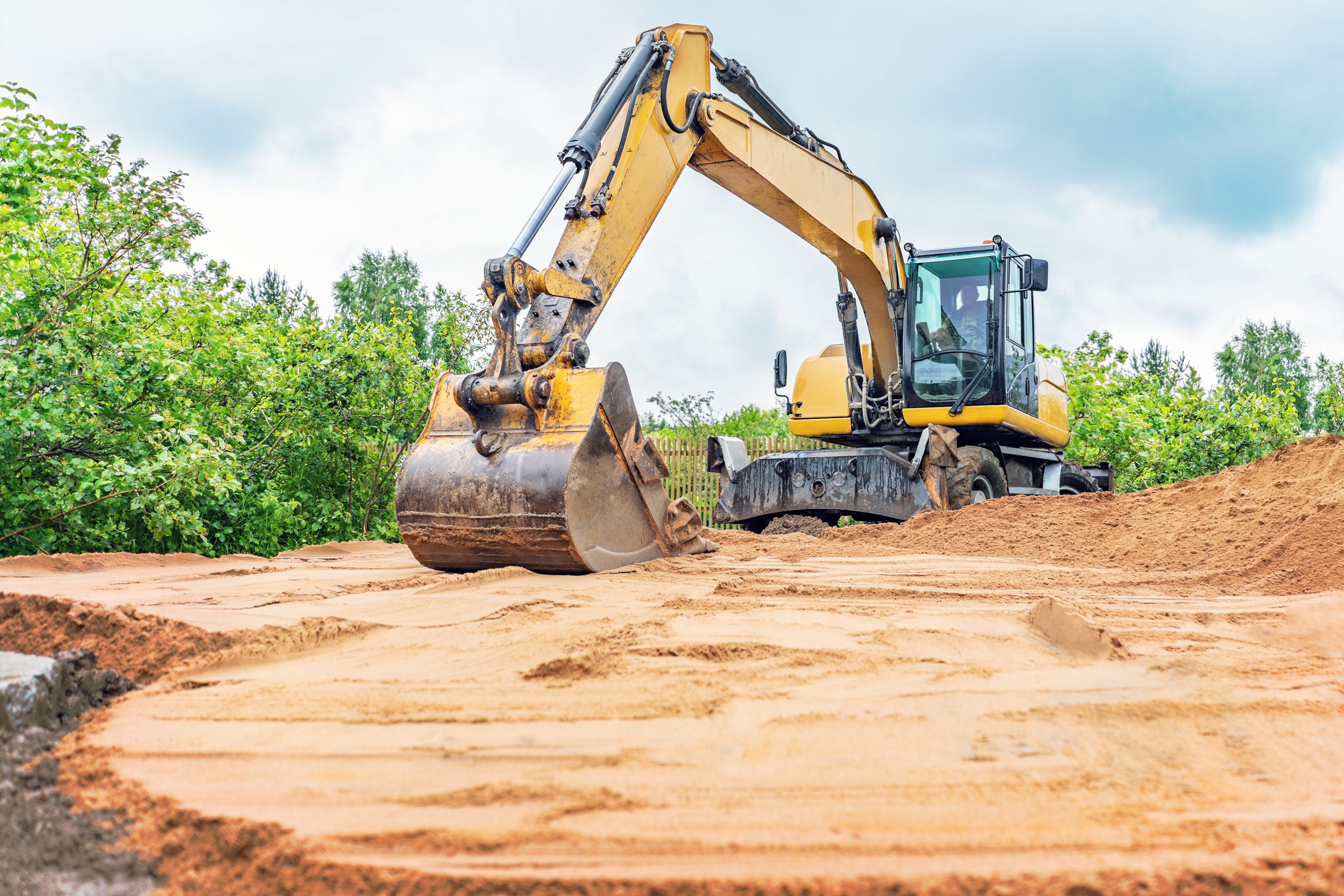
Build It Right From the Ground Up
Planning a new pole building in Racine or Caledonia starts with one critical step: a precise, stable pad. If you are searching for pole barn pad excavation Racine, you are in the right place. This guide explains the grading tolerances local builders expect, how a professional crew prepares your site, and why choosing an experienced contractor like RLP Diversified, Inc matters for long-term performance.
RLP Diversified, Inc is a Burlington, Wisconsin contractor established in 2000. The team expanded in 2013 by integrating Andy’s Excavating, and today serves all of Wisconsin with grading and excavating, aggregate delivery, pond building, demolition, and full site work. From Racine and Caledonia to Milwaukee, Waukesha, Madison, Mequon, Kenosha, and Green Bay, RLP Diversified, Inc delivers pads that meet strict tolerances and builder-ready standards.
Why Grading Tolerance Matters for Pole Barn Pads
Pole buildings transfer loads through posts set in the ground or on concrete piers, which means the surrounding pad must be accurate, well drained, and compacted. The right tolerance prevents ponding, racking, and uneven slab thickness if you pour concrete later. Builders in the Racine and Caledonia area often specify tight tolerances to ensure fast, problem-free construction.
Typical Elevation Tolerances
Most builders expect the finished pad elevation to be within 0.10 foot, about 1.2 inches, of the target grade across the building footprint. For higher-end shop floors or sensitive structures, some request 0.05 foot, about 0.6 inches. The tighter the tolerance, the better your final outcome during framing and slab placement.
Flatness and Uniformity
Within the main pad area, a flatness tolerance of plus or minus 1 inch is common over 50 feet. This ensures wall lines are straight, posts set evenly, and any slab poured later can be placed at a uniform thickness. Builders also expect no abrupt humps or dips that can trap water or twist framing.
Perimeter and Edge Control
Along the building perimeter, the edge should be within 1 inch horizontally and vertically of the plan grade and layout stakes. Clean edges give crews a reliable reference for setting post holes or brackets. A crisp, true edge also makes it easier to place forms or set skirts and splash boards.
Drainage Slope Around the Pad
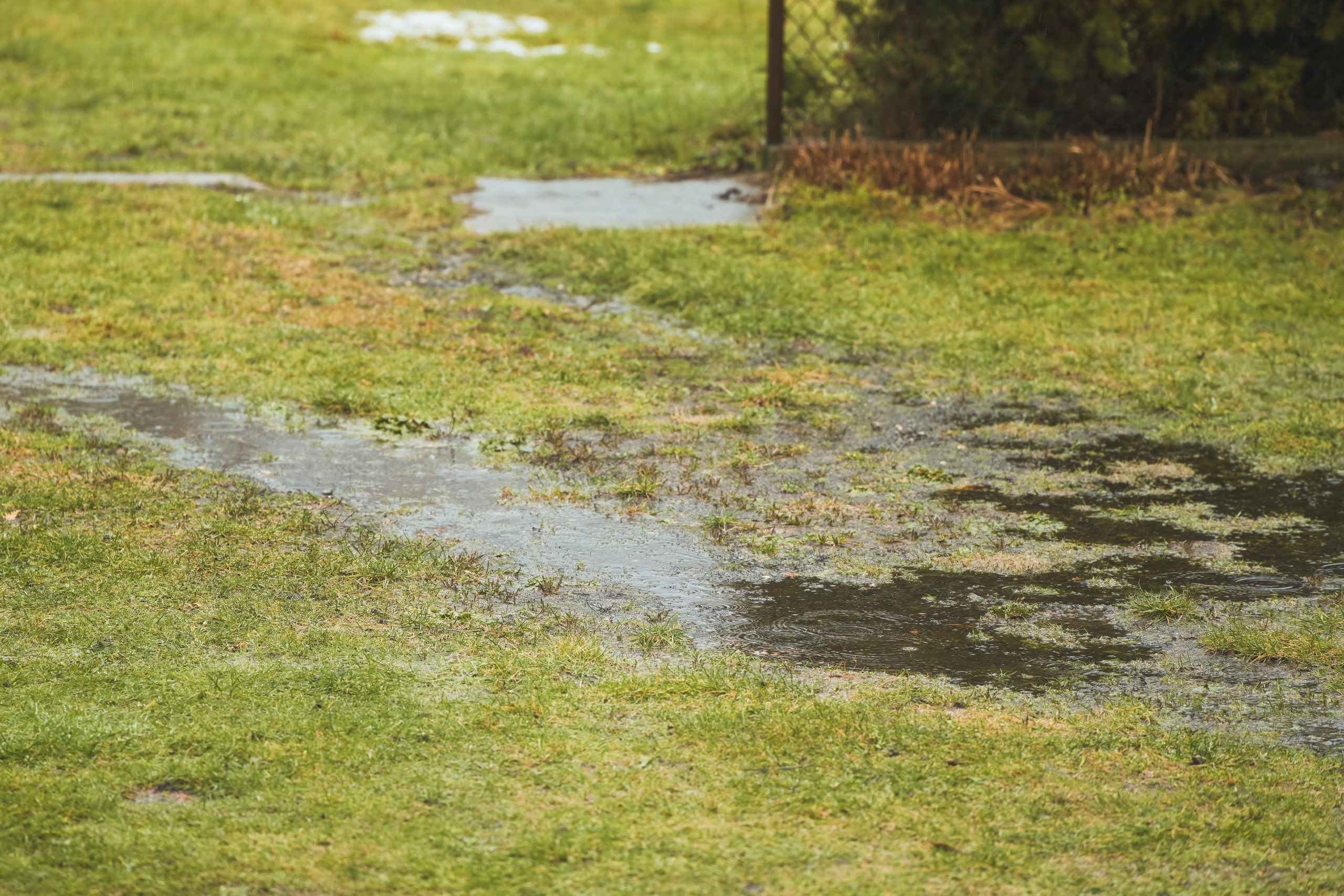
Drainage is nonnegotiable in southeastern Wisconsin. Expect a minimum 2 percent slope away from the building for at least 10 feet, which is about a 2.4 inch drop over 10 feet. For gravel drives or high clay content soils, 3 to 5 percent is better. Around door openings, a slight apron slope keeps water from blowing or backing under the threshold.
Subgrade, Base, and Materials That Stand Up to Wisconsin Weather
Soil conditions around Racine and Caledonia range from loams to clays, with seasonal freeze-thaw cycles that stress poorly built pads. RLP Diversified, Inc builds pads with a subgrade and base section that match the site and the structure’s use.
Topsoil Stripping and Proof
All organic topsoil must be stripped. Leaving even a thin layer invites settlement. Depths vary from 6 to 12 inches depending on the site. Once stripped, the native subgrade is graded and proof rolled to find soft spots that need undercutting.
Undercut and Stabilization
If the subgrade pumps under a loaded truck or roller, RLP Diversified, Inc undercuts the weak area and backfills with compactable structural fill. In challenging soils, a woven geotextile separator may be placed over the subgrade to bridge soft zones and keep fines from migrating into the base. This step improves long-term stability, especially under heavy shop equipment or frequent vehicle traffic.
Base Course Selection
For most pole barn pads, 6 to 12 inches of well-graded crushed stone, such as 3/4 inch limestone with fines, provides a tight, stable base. In wetter areas or for heavy use, the base may be increased to 12 to 18 inches or supplemented with a drainage layer. RLP Diversified, Inc sources and delivers aggregates through its trucking operations, ensuring consistent material and timely delivery.
Compaction Targets
Compaction matters as much as material choice. A standard target is 95 percent of maximum dry density per ASTM D698, often called Standard Proctor. Moisture must be within a narrow band for proper compaction, so crews may add water or aerate the base until it hits the sweet spot.
The RLP Diversified, Inc Process for Pole Barn Pad Excavation
When you hire RLP Diversified, Inc for pole barn pad excavation Racine, you get a proven workflow from first visit to final grade. Here is what to expect.
- Site review and plan check. The team reviews your building plans, checks driveway access and turning room for trucks, and confirms pad elevation relative to surrounding grades and floodplain data.
- Staking and layout. RLP Diversified, Inc lays out the footprint and working area, marks cut and fill zones, and identifies erosion control needs.
- Erosion control. Silt fence, tracking pads, and inlet protection are installed as required.
- Topsoil stripping. Organics are stripped and stockpiled for later site restoration or hauled off as directed.
- Subgrade evaluation. The crew proof rolls and undercuts soft spots, then brings the subgrade to a uniform grade.
- Geotextile and stabilization if needed. Woven fabric or stabilization products are installed on weak soils.
- Base placement. Crushed stone is placed in lifts of 4 to 6 inches and compacted to spec.
- Laser grading. Using lasers or GPS, the surface is brought to final elevation and flatness within the tolerance your builder requests.
- Drainage shaping. Swales, berms, or aprons are graded to keep water moving away from the building.
- Verification and documentation. Spot checks with a laser or GPS rover verify tolerances. Compaction tests can be arranged when required.
- Final cleanup. The site is dressed, access routes are smoothed, and stockpiled topsoil is spread where needed.
Equipment That Delivers Accuracy and Efficiency
RLP Diversified, Inc runs modern equipment from brands like Caterpillar, Bobcat, and New Holland to move dirt quickly and grade precisely. Excavators handle cut and undercut work with control. Dozers and skid steers equipped with laser receivers or GPS bring the surface to an exact finish. Smooth drum rollers and plate compactors lock the base in place so your pad stays tight for years.
Drainage and Stormwater Details You Should Not Skip
Water is the number one enemy of a stable pad. Keep these details in focus as you plan your pole barn.
- Perimeter slope. Maintain 2 to 5 percent slope away from the building on all sides.
- Swales. Direct runoff to swales that carry water to a safe outlet without eroding your driveway or yard.
- Aprons and doorways. Grade a gentle slope away from big overhead doors to limit wind-driven rain entry.
- Downspout extensions. Plan for gutters and downspouts with extensions or underground outlets.
- Culverts and ditches. Where a driveway crosses a ditch, size culverts correctly and place them at the right invert elevation.
Local Conditions in Racine and Caledonia
In the Racine and Caledonia area, many sites feature silt and clay subsoils that can hold water. That makes proper stripping, subgrade proof rolling, and compaction essential. Seasonal frost depth and freeze-thaw cycles demand good drainage and a stable base. RLP Diversified, Inc understands local soils and common permit steps, including erosion control compliance, stormwater management on larger projects, and coordination with local inspectors. If your site sits near sensitive areas or has high groundwater, the team can discuss options like underdrains, thicker base sections, or alternative pad elevations.
Typical Timeline and Cost Factors
For many pole barn pads, excavation and grading can be completed in two to five days once permits and materials are in place. Timeline varies based on weather, soil, and access. Cost is driven by several factors.
- Cut and fill volume. More earth to move means more time and equipment.
- Topsoil depth. Deeper stripping requires more haul off or stockpiling.
- Subgrade condition. Undercuts and stabilization add material and labor.
- Base thickness and material type. Heavier use buildings need thicker base.
- Drainage features. Swales, culverts, or aprons add scope.
- Testing and documentation. Compaction tests and surveys may be required by your builder.
RLP Diversified, Inc provides detailed quotes that outline cut-fill, base quantities, and any alternate options so you can make an informed choice.
Common Mistakes to Avoid
Even small grading errors can create big headaches later. Avoid these issues from the start.
- Skipping topsoil stripping or leaving pockets of organics under the base.
- Setting pad elevation too low relative to surrounding grade, which invites ponding.
- Underestimating the importance of compaction and lift thickness.
- Using poor-quality fill or oversize stone that does not compact tightly.
- Failing to plan gutters, downspout extensions, and aprons.
- Ignoring access for material trucks and truss deliveries.
How RLP Diversified, Inc Adds Value
RLP Diversified, Inc brings more than two decades of grading and excavating experience to every job. The team can self-perform aggregate delivery, earthmoving, and finish grading with tight tolerances. If you need additional services like driveway construction, pond excavation, or demolition, one call covers it. Because the company serves the entire state, including Racine and Caledonia, you get a crew that knows local inspectors, soil conditions, and seasonal challenges. Equipment from Caterpillar, Bobcat, and New Holland ensures reliable performance and a clean finish grade.
What Builders Expect, Summarized
- Pad elevation within 0.10 foot across the footprint, sometimes 0.05 foot for tighter specs.
- Flatness within about 1 inch over 50 feet, with no abrupt humps or dips.
- Perimeter edge within 1 inch of design grade and layout lines.
- Base compacted to at least 95 percent Standard Proctor.
- Perimeter drainage slope of 2 to 5 percent away from the building.
- Documented verification, either via laser checks or third-party testing when required.
Frequently Asked Questions
How thick should my gravel base be for a pole barn pad?
For most light to medium use buildings, 6 to 12 inches of well-graded crushed stone works well. If you plan to store heavy equipment or expect frequent truck traffic, consider 12 to 18 inches or a layered approach with a stabilization fabric. RLP Diversified, Inc can size the base after evaluating your soil and use case.
Do I need a vapor barrier or geotextile under my base?
They serve different roles. A vapor barrier is for slabs placed on top of the base, while a geotextile stabilizes weak subgrade and separates soil from stone. In softer soils common near Racine and Caledonia, a woven geotextile often improves long-term stability.
Can you build my pad in wet or cold weather?
Yes, but schedule and methods may adjust. Wet conditions may require undercuts or thicker base. In cold weather, it is best to place and compact materials above freezing and protect the work if temperatures drop. The RLP Diversified, Inc crew will advise the best window for your project.
Will you handle trucking and aggregate delivery?
Yes. RLP Diversified, Inc operates aggregate and trucking services to deliver topsoil, fill dirt, sand, gravel, stone, and limestone. This streamlines your schedule and keeps material quality consistent.
Do you offer documentation for builders?
Yes. Elevation checks, photos, and compaction test coordination are available. If your builder requires formal test results, RLP Diversified, Inc can arrange third-party testing.
Choosing the Right Contractor for Pole Barn Pad Excavation in Racine
Look beyond the lowest price. A pad that settles or traps water is expensive to fix later. Use these tips when you evaluate bids in the Racine and Caledonia market.
- Ask about tolerances they will meet and how they verify them.
- Request a clear scope that includes stripping depth, base thickness, and compaction specs.
- Confirm experience with local soils and drainage.
- Check equipment capabilities and availability.
- Ensure they can handle aggregate delivery and any stabilization required.
- Review references for recent pole building projects.
Get a Fast Quote and Site Review
If you need pole barn pad excavation Racine, reach out to RLP Diversified, Inc for a quick site review and a detailed plan. From topsoil stripping to laser finish and compaction verification, the team delivers pads that meet builder expectations and stand up to Wisconsin weather. RLP Diversified, Inc serves Racine, Caledonia, and communities across the state with grading, excavating, aggregate and trucking, pond excavation, and demolition. Share your plans, timeline, and intended use, and get a quote that reflects accurate quantities and proven methods. Start your project with confidence by putting a precise, well-drained pad under your new pole barn.



Leave A Comment